
Prostate Cancer | Cancer of Prostate - Incidence, Prevention, Causes, Symptoms & Treatment
This cancer affects men over the age of 50 years and screening with rectal examination and PSA can help both in early detection and effective treatment
This cancer affects men over the age of 50 years and screening with rectal examination and PSA can help both in early detection and effective treatment
"We have shown that using PSA with these drugs can help us differentiate prostate cancer from benign prostate disease in patients who are difficult to diagnose," says Dr. Kaplan, who is also chief of the Institute for Bladder and Prostate Health at NewYork-Presbyterian/Weill Cornell. "It also demonstrates a better way to use both the PSA test and these powerful drugs."
Dr. Kaplan created the combination screening method as a way to understand cancer risk in men who have consistently abnormal PSA readings despite one or more negative biopsies. This patient population offers physicians a "diagnostic dilemma" he says -- "despite the fact that biopsies are becoming more and more effective at detecting cancer in the prostate, a significant number of patients with prostate cancer continue to have negative biopsies." He adds that the PSA (prostate specific antigen) test alone is not a good indicator of prostate cancer. "It measures multiple factors associated with prostate disease, including enlargement of the prostate and inflammation."
Prostate Cancer: Treatment Options - Surgery, Radiation Therapy, Hormone Therapy
Treatment options of prostate cancer includes waiting, surgery, radiation, hormone therapy, chemotherapy, cryosurgery or biologic therapy.
Treatment options of prostate cancer includes waiting, surgery, radiation, hormone therapy, chemotherapy, cryosurgery or biologic therapy.
The study was conducted in two phases. It enrolled 276 men at NewYork-Presbyterian/Weill Cornell whose PSA was greater than 4, who had a normal digital rectal examination and two or more negative biopsies.
Advertisement
![Prostate Specific Antigen [PSA] & Prostate Cancer Diagnosis](https://www.medindia.net/images/common/patientinfo/120_100/prostate-specific-antigen.jpg "Prostate Specific Antigen [PSA] & Prostate Cancer Diagnosis")
Prostate Specific Antigen [PSA] & Prostate Cancer Diagnosis
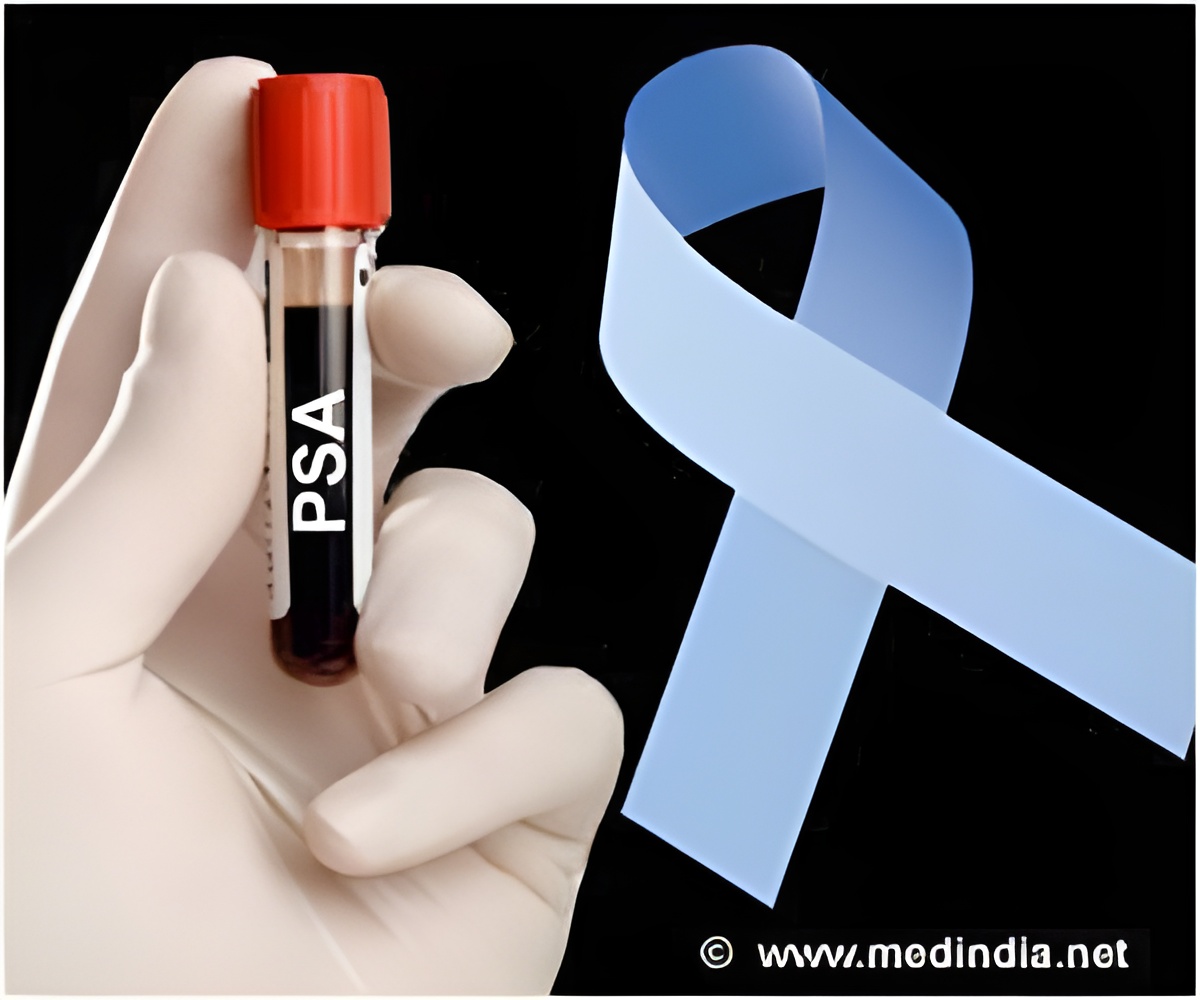
PSA blood test is specific to prostate gland but not necessarily a cancer specific test but is commonly used to diagnose prostate cancer.
PSA blood test is specific to prostate gland but not necessarily a cancer specific test but is commonly used to diagnose prostate cancer.
In the second phase of the study, 179 patients received the same drug therapy but underwent a biopsy only if their PSA showed a change of 0.4 ng/dl. In all, 42 men (27 percent) had the biopsy, and 26 of those participants (54 percent) had cancer. Within that group, 77 percent of the patients had high-grade tumors.
Advertisement
"Our study shows these drugs may be most helpful in helping us diagnose undetectable prostate cancer," Dr. Kaplan says.
Source-Eurekalert