We all know that sleep duration and obesity are interlinked. Researchers suggest that improper sleep can raise your chances of becoming obese.
Deprivation of sleep results in deep obesogenic effects on metabolism and appetite.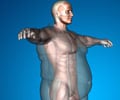
Obesity - Causes, Symptoms, Diagnosis, Complications, Treatment
Obesity is a condition where there is excess accumulation of body fat which poses a risk to the health of the individual. It can affect children and adults.
Obesity is a condition where there is excess accumulation of body fat which poses a risk to the health of the individual. It can affect children and adults.
Data from a 6-year longitudinal observational study was assessed. The respondents were adults between 18-64 years old.
Forty-three individuals having short sleep of less than 6 hours were grouped in two categories. Group one included 23 people who increased their sleeping hours to ‘healthy’ sleep duration of about 7-8 hours. And group two consisted of 20 people who continued their short sleep duration habit.

Sleeping Alone Increases Risk of Obesity in Kids
Kids who have a high risk of being obese manage to reduce their chances of becoming overweight if they sleep with their parents rather than sleeping alone.
Kids who have a high risk of being obese manage to reduce their chances of becoming overweight if they sleep with their parents rather than sleeping alone.
Chaput stressed that this longitudinal study data is the first of its kind suggesting that the risk of obesity or weight gain can be reduced significantly by increasing sleeping hours in individuals with short sleep duration.
Advertisement

Longer Sleep can Turn Off Obesity Genes: Study
Longer sleep hours suppresses genetic factors that lead to weight gain, reveals study.
Longer sleep hours suppresses genetic factors that lead to weight gain, reveals study.
A significant point to note is that having long sleeping hours alone cannot check weight gain. Prevention from acquiring excess weight is more important.
Advertisement

Obesity Linked to Lack of Sleep
Children who sleep for at least nine hours do not have the problem of obesity and the accompanying metabolic disorders like diabetes and cardiovascular disease, states a new study.
Children who sleep for at least nine hours do not have the problem of obesity and the accompanying metabolic disorders like diabetes and cardiovascular disease, states a new study.
Reference:
J-P Chaput et al. Longer sleep duration associates with lower adiposity gain in adult short sleepers. International Journal of Obesity (2012) 36, 752–756.
Source-Medindia