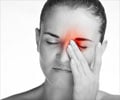
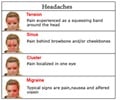
Occurring in about 15% of the overall US population, migraine is disorder that affects a considerable portion of the population especially women. The intensity of the disorder in childhood is nearly the same, for boys and girls. However, this scenario changes as the focus is turned to adulthood. It is observed that after attaining adulthood, women are more susceptible to suffer from migraine headaches than men of the same age.
Studies show that 60% women experience migraine during menstruation due to the increasing hormonal fluctuations and hence the term menstrual migraine. Also, this migraine is reported to be more painful and difficult to deal with than the common migraine. It affects women mostly during menstrual cylces in younger ages and starts fading away a year after menopause the reason being the diminishing hormone numbers. Alleviation of migraine occurs in women who are pregnant because the plasma count increases in the progesterone and estrogen hormones during pregnancy.
About Migraine
Migraine is a chronic disorder characterized by headache, nausea, vomiting or sensitivity to light and sound.
Migraine is a chronic disorder characterized by headache, nausea, vomiting or sensitivity to light and sound.
As far as the treatment of migraines is concerned, the first step one should possibly do is to know the pattern of the migraine if it is menstrual. Note the the occurrence in a diary for 3 months. It will be useful to know the pattern and proceed with further treatment. The treatment is also highly variable and differs from person to person, depending on the resistance, cause and symptom intensity. If the migraine is not menstrual, there might be other reasons that trigger migraine attacks. Overexposure to sunlight and other flickering lights, consuming certain foods like salami, red wine, whisky, turkey, smoked foods and aged cheese, inhaling strong smells like perfume, motion sickness from travelling, excessive physical activity, overuse of pain killer drugs and changes in eating habits are some common factors that trigger migraine headaches. Find and eliminate the factors that affect you the most.
The medicines for those suffering from menstrual migraine and general migraines aren’t different. Analgesics and triptans are some instances where medicine can mitigate migraine pain. However, it is to be noted that these medicines are patient specific and hence it is to be consumed as recommended by a doctor. Triptan along with a NSAID (Non-Steroidal Anti-Inflammatory Drugs) are also very effective. Avoiding habits that induce migraine headaches like sunlight exposure, certain foods and strong smells, 8 hours of sleep, regular and moderate exercise and keeping up the water content may also reduce the intensity of headaches in many women.

Biofeedback Treatment for Anxiety, Migraine and Blood Pressure
Biofeedback is a feedback system where changes in physiology are detected and controlled. It helps in treatment of many disorders, especially psychosomatic ones.
Biofeedback is a feedback system where changes in physiology are detected and controlled. It helps in treatment of many disorders, especially psychosomatic ones.
Source-Medindia

Time Perception May Be Off In Patients With Migraine
A new study has revealed that people who suffer from migraines may feel like the time passes a bit more slowly than it actually does.
A new study has revealed that people who suffer from migraines may feel like the time passes a bit more slowly than it actually does.

New Portable Device, a Boon for Migraine Victims
A new portable and hand-held device was found to be promising during clinical trials and this brings hope to many migraine sufferers.
A new portable and hand-held device was found to be promising during clinical trials and this brings hope to many migraine sufferers.