
Skin Cancer - Types, Causes, Symptoms, Diagnosis, Treatment & Prevention
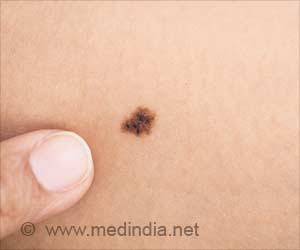
Skin cancer is an abnormal growth of skin cells. It can develop due to a continuous exposure to sun over the years.
Skin cancer is an abnormal growth of skin cells. It can develop due to a continuous exposure to sun over the years.
"The skin has to continually divide to replace cells that get lost to the environment," Bollag said.
Even something as benign as wearing clothes prompts skin cell loss and the constant demand for new ones.

Quiz on Cancer
Cancer, is the second most leading cause of death worldwide. Cancer is not just one disease but many diseases. There are more than 100 different types of cancer. Take this quiz on and test how much you know about cancer.
Cancer, is the second most leading cause of death worldwide. Cancer is not just one disease but many diseases. There are more than 100 different types of cancer. Take this quiz on and test how much you know about cancer.
Its increased activity enables skin cells to survive the constant onslaught of UV radiation, which can be good or bad.
Advertisement
Celecoxib - Effective Prevention of Non-melanoma Skin Cancers
Celecoxib could prevent nonmelanoma skin cancers in patients who have actinic keratosis that usually precedes these cancers, reports the results of a clinical trial.
Celecoxib could prevent nonmelanoma skin cancers in patients who have actinic keratosis that usually precedes these cancers, reports the results of a clinical trial.
The downside is that by promoting cell survival, protein kinase D can enable skin cells with a lot of DNA damage to become cancerous by reducing the natural ability of badly damaged skin cells to self-destruct, the researchers show.
Advertisement
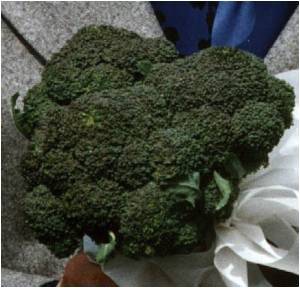
Broccoli Juice- The Green Way To Protect Yourself Skin Cancer
Forget sunscreens, the thing that can actually protect your skin from UV rays is broccoli juice, say scientists.
Forget sunscreens, the thing that can actually protect your skin from UV rays is broccoli juice, say scientists.
Now they also have found that pretreating skin cells with antioxidants appears to reduce protein kinase D activation by UV, indicating that reactive oxygen species, or free radicals, also play a role. Free radicals can result from excessive cell activity or oxygen use.
The report has been published in Oncogene.
Source-ANI