
About Lifestyle and Osteoporosis
Encyclopedia section of medindia briefly explains about Lifestyle and Osteoporosis
Encyclopedia section of medindia briefly explains about Lifestyle and Osteoporosis
The appropriate identification of those at high fracture risk is essential; Osteoporosis Canada’s new guidelines help physicians and patients better identify the risk of fracture, resulting in better fracture prevention and better management of osteoporosis overall, it is hoped.
“There have been many advances in the study of osteoporosis since we launched the last guidelines in 2002,” said Dr. Alexandra Papaioannou, lead author and Professor of Medicine, Division of Geriatric Medicine, McMaster University. “We now recognize that BMD is only one of many risk factors for fracture, and so it is important for physicians to take an integrated approach to the assessment of fracture risk and use the new tools available to better manage osteoporosis.”
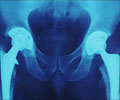
Hip replacement
Are you experiencing pain due to damaged hips? Travel abroad to get replacement surgery at affordable prices.
Are you experiencing pain due to damaged hips? Travel abroad to get replacement surgery at affordable prices.
“Osteoporosis Canada is delighted to launch these new guidelines, which provide guidance for patients and physicians alike on how to best manage osteoporosis,” said Dr. Famida Jiwa, acting President & CEO, Osteoporosis Canada. “The impact of fragility fractures can be devastating for a patient, which is why all Canadians over the age of 50 who have had a fracture should discuss osteoporosis and fracture risk factors with their doctor.”
Advertisement
While osteoporosis often goes unnoticed and without symptoms, common signs of osteoporosis include hip or spinal fractures in the absence of significant trauma to the bone. For many Canadians over the age of 50, a hip fracture due to osteoporosis usually occurs after a fall. A major risk factor for osteoporosis is family history of fragility fractures, and a hunched upper back or loss of height commonly signify possibility of spinal fractures. For those at high risk of fracture, early intervention is key to the prevention of fractures; those who have experienced these symptoms should speak to their doctor, the guidelines stress.
Advertisement
Source-Medindia