The presence of minute levels of toxic substances in the water can be detected before they cause harm by measuring rates of oxygen use in developing fish, say Purdue University researchers.
Marshall Porterfield, an associate professor of agricultural and biological engineering, says that this process may be used as an early warning system against environmental contamination or even biological weapons.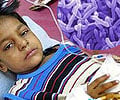
Cholera
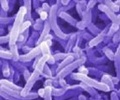
Cholera is an infection of the small intestine and is caused by the bacterium Vibrio cholerae.
Cholera is an infection of the small intestine and is caused by the bacterium Vibrio cholerae.
His team has shown that using fibre optics to quickly monitor this activity can produce results within minutes.
"Say you are exposed to the common cold virus. Before symptoms develop and you become aware of the bug's presence, it has already begun to attack your cells. Similarly, fish and other organisms are affected by contaminants before behavioural changes appear. Our technology detects heretofore undetectable changes to act as an early warning system," he said.
About Water Borne Diseases
Waterborne diseases are communicable diseases caused by diseases causing microorganisms in contaminated water. It is more prevalent during floods and in tsunami affected areas.
Waterborne diseases are communicable diseases caused by diseases causing microorganisms in contaminated water. It is more prevalent during floods and in tsunami affected areas.
"This means the technology could not only help monitor environmental quality but may be used to enforce important water quality standards," said Marisol Sepulveda, lead author and assistant professor of forestry and natural resources at Purdue.
Advertisement

Water Contamination Kills Woman in Southern Indian City
A woman has died and at least 20 were rushed to hospital with symptoms of gastroenteritis in the southern Indian city of Bangalore on Sunday following suspected water contamination.
A woman has died and at least 20 were rushed to hospital with symptoms of gastroenteritis in the southern Indian city of Bangalore on Sunday following suspected water contamination.
Given that contaminants did not destroy the eggs of laboratory-raised fathead minnows-a commonly studied fish species-throughout the study, the researchers say that this further demonstrates the tool's ability to discern subtle changes before they become fatal.
Advertisement
A team of Purdue researchers has already begun adjusting it to work with a type of crustacean.
Porterfield reckons that a prototype should be ready to test in the field in four years if improvements continue.
While the technology currently tests immobilized eggs in a laboratory setting, there are plans to make the tool more versatile.
The researchers also believe that the technology may have some medical uses too-it could be conjugated with tumour cells to screen potential cancer drugs or help find new therapeutic targets.
Source-ANI
JAY/L