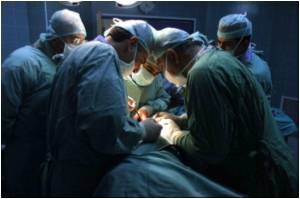

Key Hole Surgery -About
Medindia provides a very interesting Paediatric Laparoscopic surgery section for doctors
Medindia provides a very interesting Paediatric Laparoscopic surgery section for doctors
"We could not demonstrate a good correlation between lower extremity DVT and pulmonary embolism in our patient population," senior author Thomas Origitano, MD, PhD and colleagues wrote. Origitano is chair of the Department of Neurological Surgery at Loyola University Stritch School of Medicine.
One of the major risks of severe complications and deaths in brain surgery patients is venous thromboembolism, which includes DVT and pulmonary embolism. Risk factors for DVTs include tumors, spinal cord injuries, head trauma, strokes, length of surgery and decreased mobility or limb movement.
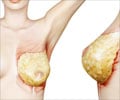
About Breast Reduction Surgery
Want firm and shapely breasts? Consider the option of traveling abroad to have it done at affordable prices.
Want firm and shapely breasts? Consider the option of traveling abroad to have it done at affordable prices.
The study also raises questions about quality assurance measures that watchdog groups use to rate hospitals. These measures typically count a hospital's combined rate of DVTs and pulmonary embolisms. But the study's findings indicate that at least among brain surgery patients, there may not be a close correlation between DVTs and pulmonary embolisms. "Are the ratings systems measuring what we really want to measure?" Origitano said.
Advertisement

LASIK Eye Surgery
LASIK is a type of laser procedure performed on the eye to correct refractive errors and presbyopia by reshaping the cornea.
LASIK is a type of laser procedure performed on the eye to correct refractive errors and presbyopia by reshaping the cornea.
This findings suggest the possibility that high-risk patients "have a predilection to developing DVT regardless of the timing of administration of [heparin]," researchers wrote. "Perhaps there is a subset of neurosurgical patients who have DVT present on admission." If so, perhaps patients should be screened for DVTs before surgery as well as after surgery, researchers wrote.
Advertisement
Source-Eurekalert