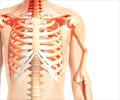
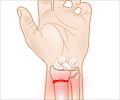
Elderly women with upper arm fractures are five times more likely than the general population to experience a broken hip in the 12 months following the arm fracture, according to a study published in the March 2009 issue of The Journal of Bone and Joint Surgery (JBJS). Understanding that risk can be a key to preventing those fractures, the study notes.
"There have been studies in the past showing a relationship between upper arm fractures and hip fractures, but we wanted to determine when that risk is greatest, " says Jeremiah Clinton, MD, an orthopaedic surgeon and associate professor of orthopaedics at the University of Washington in Seattle. "By recognizing when that period of increased risk occurs, physicians have a window of opportunity to take steps that may possibly prevent a subsequent fracture.""The older population is at a greater risk for fall-related fractures, due to the fact that their bones are generally more brittle than the younger population," Dr. Clinton adds. "These types of low-energy fractures are referred to in the literature as ‘fragility fractures.'"
Elderly patients may fall due to a number of reasons, including:
- effects of medications
- neurological disorders
- loss of an ability to maintain balance
- decreased reaction time
Because there can be a number of underlying factors, Dr. Clinton says a multi-disciplinary approach is needed to effectively assess the patient's future risk.
"One of the first steps a patient should take following a fall is to talk with their orthopaedist and other physicians to determine the cause," he notes. "Once the cause is more clearly understood, the proper steps can be taken to decrease a patient's risk of having another fall and potentially future fractures."
Advertisement

37 – 50 Pct Cut in Hip Fracture risk With "Healthy Bones Program"
People who are prone to hip fracture can reduce its rate by 37.2 percent by adopting healthy bone programs, says a study conducted by Kaiser Permanente Southern California.
People who are prone to hip fracture can reduce its rate by 37.2 percent by adopting healthy bone programs, says a study conducted by Kaiser Permanente Southern California.
Although this study examined fractures in an elderly female population, Dr. Clinton notes that longer life spans in the United States and elsewhere make male patients vulnerable, as well.
Advertisement
Hip replacement
Are you experiencing pain due to damaged hips? Travel abroad to get replacement surgery at affordable prices.
Are you experiencing pain due to damaged hips? Travel abroad to get replacement surgery at affordable prices.
Although the exact relationship between arm and hip fractures is not entirely understood, Dr. Clinton says "there is evidence to support that both fractures stem from similar reactions to a fall. When patients' age their reflexes slow down and they may not have the time or ability to correctly position themselves as they fall, he noted.
"Rather than trying to catch themselves as a younger patient would do" notes Dr. Clinton, "studies show that elderly people have a tendency to simply tuck and roll, which causes greater force on the shoulder and hip."
Dr. Clinton recommends the following steps for patients experiencing a fall:
- talk to an internist to help determine any potential underlying medical cause of the fall
- consider the use of bone-strengthening drugs, called "biphosphenates"
- talk to an occupational therapist about modifying the living area and using assistive devices to prevent falls
"The use of biphosphenates may be good, preventative advice for elderly patients at risk for fractures, whether or not the patient has had a fracture," added Dr. Clinton.
"What I tell my patients is that we have ample evidence now to support the use of biphosphenates to reduce the risk of fragility fractures, and especially reduce the risk of hip fractures, even within the first year of starting the medication," noted Dr. Clinton. "In my opinion, this is good advice for anyone facing the possibility of a fragility fracture, not just those who have already experienced a fracture."
Source-Newswise
SRM