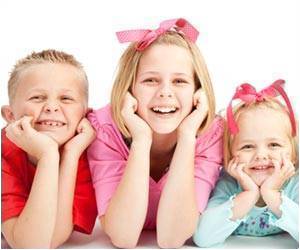
Six year olds with a squint may not be so welcome at birthday parties in comparison with peers who have normally aligned eyes, according to recent research.
The findings prompt the authors to suggest that corrective surgery should be performed not later than the age of 6, which is when the discrimination seems to emerge.
Strabismus | Squint - Types, Causes, Symptoms, Diagnosis, Treatment & Prevention
Strabismus or squint is a failure of the two eyes to maintain proper alignment when looking at an object. It is also called crossed eyes.
Strabismus or squint is a failure of the two eyes to maintain proper alignment when looking at an object. It is also called crossed eyes.
One hundred and eighteen children between the ages of 3 and 12, who were either patients at an eye clinic or the siblings of patients, but with normally aligned eyes, were then asked to select which of the identical twins they would be prepared to invite to their birthday party.
They were asked to make a choice four times, giving them the chance to select the faces of up to four children with a squint. If squints were to make no difference to selection, an average selection of two children with a squint would be expected, say the authors.

Squinting At Computer Linked To Dry Eye Risk
A new study says that squinting at your computer screens is bad for the eyes since it leads to dryness and loss of lubrication leading to eye strain, irritation and tearing.
A new study says that squinting at your computer screens is bad for the eyes since it leads to dryness and loss of lubrication leading to eye strain, irritation and tearing.
And children under 6 didn't make any distinction between the twins with a squint or normally aligned eyes.
Advertisement

Many Hours on Computer may Harm Eyes
Long hours at a computer can harm your eyes, say experts, who advise frequent short breaks every half hour or so to minimise the damage.
Long hours at a computer can harm your eyes, say experts, who advise frequent short breaks every half hour or so to minimise the damage.
Among the 48 children aged between 6 and 8, 18 did not select any child with a squint; 17 selected this type of child once, 11 did so twice; two did so three times. None did so four times.
Advertisement

Methadone Mums Likely to Produce Babies With Eye Defects
In a new study, medical experts found that babies born to mothers who had taken methadone during pregnancy developed a range of visual problems.
In a new study, medical experts found that babies born to mothers who had taken methadone during pregnancy developed a range of visual problems.
When asked if they had noticed anything particular about the twins, around one in five (19%) of 4 to 6 year olds commented on eye alignment, a figure that rose to 39% after being asked to pay attention to the eyes in the pictures.
Among 6 to 8 year olds, almost half (48%) noticed the squint, which rose to more than three quarters (77%) after being asked to pay attention to the eyes.
The authors comment that a childhood squint can have a lasting psychological impact on the individual concerned and that "visible differences in general have a negative impact on how children are perceived by peers."
They conclude: "Our results show that schoolchildren with strabismus seem less likely to be accepted by their peers, so corrective surgery for strabismus should be performed before the age of 6 years, when negative social implications may arise."
Source-Eurekalert