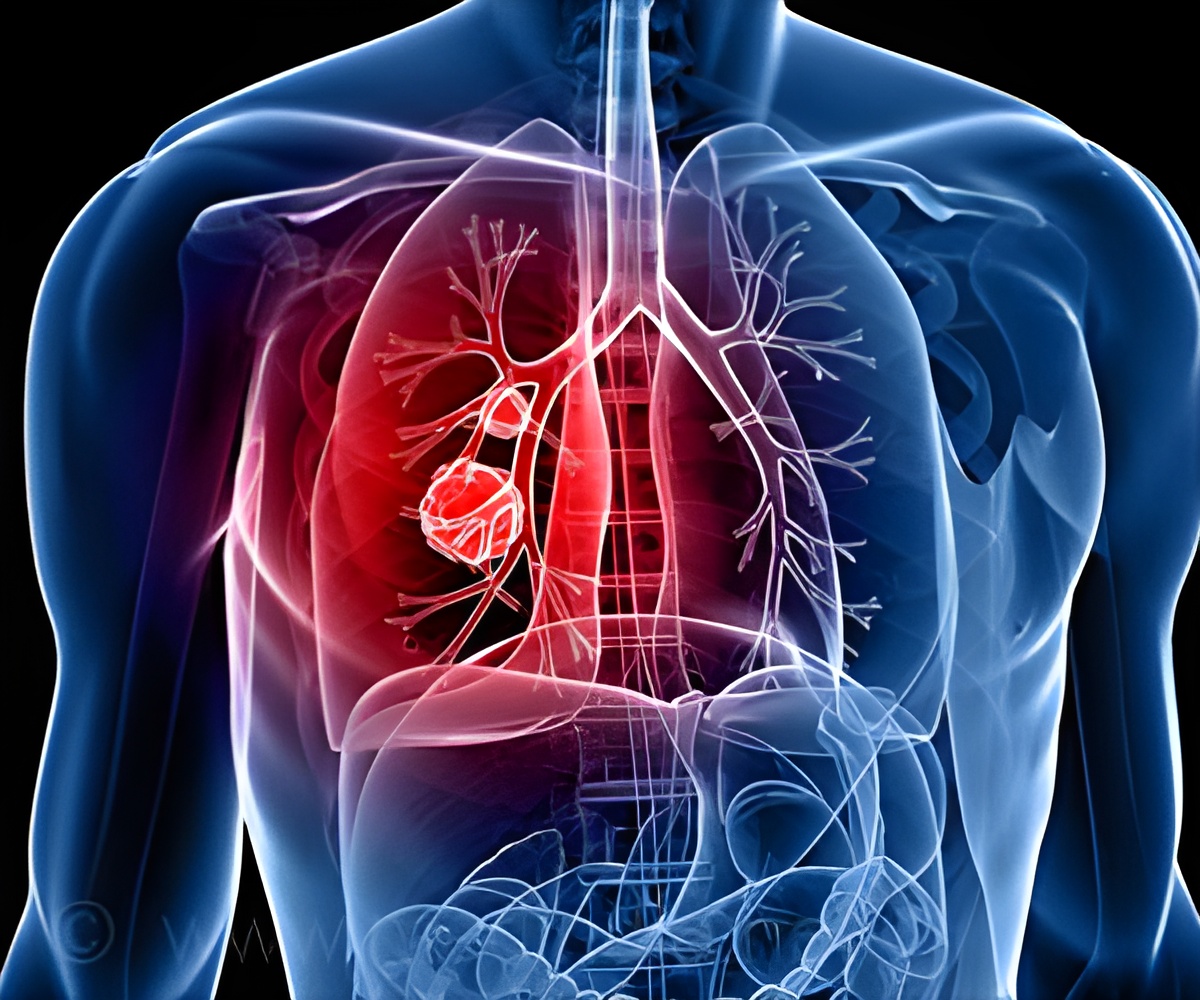
‘CT screening benefits lung cancer patients by early detection and treatment, which serves as a potential means of reducing mortality.’
Read More..Tweet it Now
Early detection and treatment through screening with LDCT has been investigated as a potential means of reducing lung cancer deaths for more than two decades.Read More..
In 2011, a large U.S. study, the randomized NLST, The NLST study included 26,722 patients in the LDCT arm and 26,730 in the x-ray arm at 33 medical institutions in the United States.
This follow up study also supports and reaffirms findings from the NELSON Trial, which found a 26% reduction in lung cancer mortality in men and a 39% reduction in women. The NELSON research was reported at the International Association for the Study of Lung Cancer's 2018 World Conference on Lung Cancer in Toronto.
The NLST study randomized high-risk current and former smokers to three annual screens with either low dose computed tomography (LDCT) or chest radiographs (CXR) and demonstrated a significant reduction in lung cancer mortality in the LDCT arm after median 6.5 years follow-up. In this latest report, lead researcher Paul Pinsky, Ph.D., from the National Cancer Institute, part of the National Institutes of Health, in Bethesda, Md., and his team extended the follow up to 11.3 years for incidence and 12.3 years for mortality.
The study authors wrote that with an additional six years of mortality follow up, researchers could better understand if low dose CT screening prevented deaths from lung cancer, or merely delayed them. They report that the extended follow up did allow them to determine that LDCT did, in fact, prevent lung cancer deaths or at least delayed them for more than a decade.
Advertisement

Lung Cancer - Types, Causes, Symptoms, Diagnosis, Treatment and Prevention
Lung cancer is a malignant tumor in the lung tissues. Smoking is the main cause of lung cancer with symptoms like recurrent respiratory diseases.
Lung cancer is a malignant tumor in the lung tissues. Smoking is the main cause of lung cancer with symptoms like recurrent respiratory diseases.
The original report in 2011 found that 320 patients would have to be screened to prevent one death from lung cancer while the current follow up research found that 303 patients would have to be screened to prevent one lung cancer death.
Advertisement
Source-Eurekalert