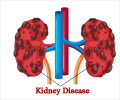
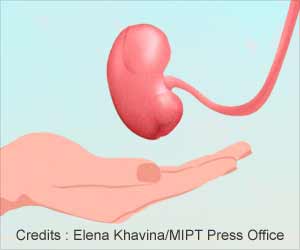
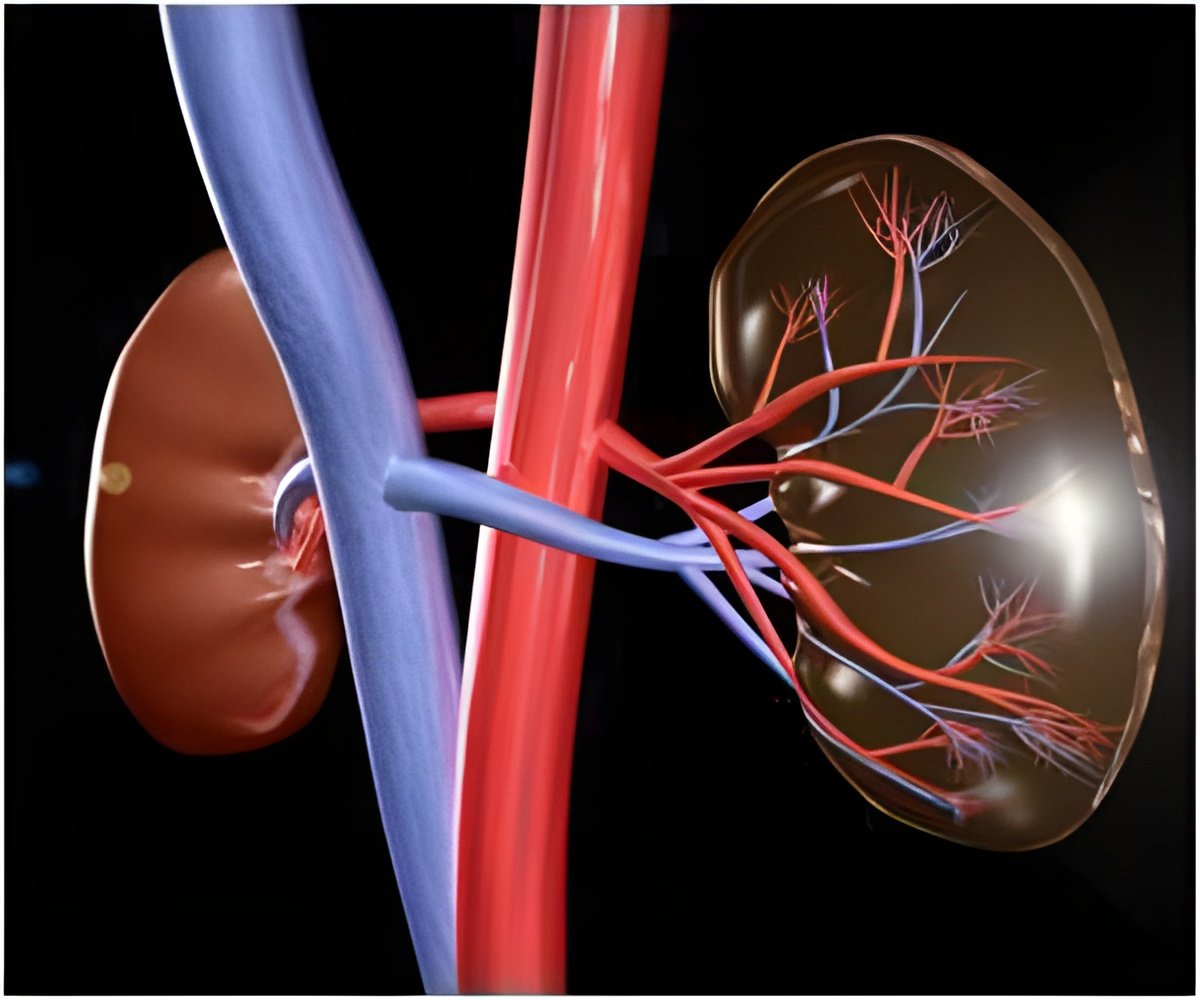
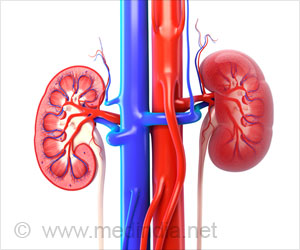
The kidneys are vital organs in our bodies, removing waste and excess water and controlling the acidity balance of our blood.
How to Prevent Chronic Kidney Disease
Chronic kidney disease occurs by a gradual loss of kidney function.Avoid excess use of painkillers and alternative therapy to prevent irreversible kidney injury.
Chronic kidney disease occurs by a gradual loss of kidney function.Avoid excess use of painkillers and alternative therapy to prevent irreversible kidney injury.
‘Among high-income countries, Saudi Arabia and Belgium have the highest estimated CKD prevalence (24 percent), followed by Poland (18 percent), Germany (17 percent) and Britain and Singapore (16 percent).’





Globally, estimated CKD prevalence varies from seven per cent in South Asia and eight per cent in Africa to as high as 11 per cent in North America and 12 per cent in Europe, The Middle East, and East Asia, and Latin America, according to the report. Among high-income countries, Saudi Arabia and Belgium have the highest estimated CKD prevalence (24 percent), followed by Poland (18 percent), Germany (17 percent) and Britain and Singapore (16 percent).
Norway and the Netherlands have the lowest estimates at five percent, the report, which was also published in the journal JAMA, said.
Safe Kidney Donation, Transplant Among Older Patients Executed in Delhi Hospital
Chronic Kidney Disease is a condition in which the kidneys are suffering from the onslaught of various diseases.
Chronic Kidney Disease is a condition in which the kidneys are suffering from the onslaught of various diseases.
"A diagnosis of CKD does not mean that you will need dialysis or a transplant, but does signal that you are at risk for many health problems, including heart disease, strokes, and infections," Levin, who is also a Professor of Medicine at the University of British Colombia in Canada, added.
Advertisement
Chronic Kidney Disease on Rise in India
With rising prevalence of diabetes and hypertension in the country, the prevalence of chronic kidney disease (CKD) is expected to increase.
With rising prevalence of diabetes and hypertension in the country, the prevalence of chronic kidney disease (CKD) is expected to increase.
Acute kidney injury can be caused by infections, dehydration or damage from medications or ingesting toxic drugs.
Advertisement
Obesity Increases the Likelihood of Kidney Disease
Obese people are twice as likely to develop kidney disease compared to those with normal weight. Obesity also increases the likelihood of kidney disease.
Obese people are twice as likely to develop kidney disease compared to those with normal weight. Obesity also increases the likelihood of kidney disease.
The kidneys are vital organs in our bodies, removing waste and excess water and controlling the acidity balance of our blood.
Chronic kidney disease is the gradual loss of the kidneys’ abilities to perform these essential functions, and can be caused by high blood pressure, diabetes, obesity, smoking and other risk factors.
Source-IANS