 MEDINDIA
 English
 हिन्दी
 Español
 français
 中文
中文
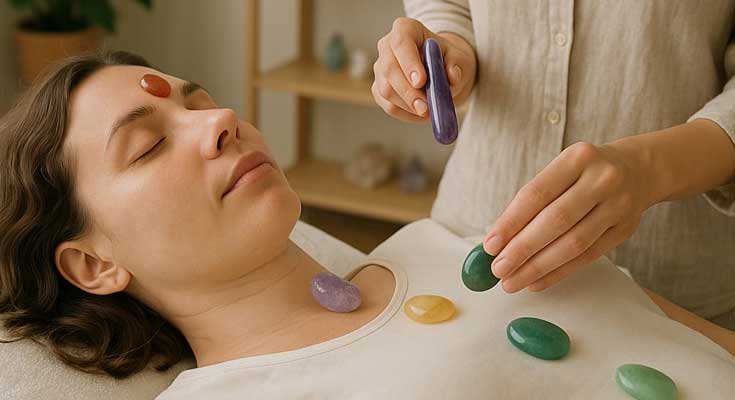
When Gems Were Swallowed: The Curious Case of Powdered Medicine
Believe it or not, there was a time when people actually consumed crushed gemstones as medicine. During the Middle Ages in Europe and much later in India, pharmacists and healers believed that powdered gems could cure illnesses. These powders were usually mixed with water or herbal tea and taken like a tonic. The fancier the gemstone, the stronger its healing power—at least, that’s what people thought.This belief wasn’t backed by any real science, though. It came from a mindset that if something was rare and expensive, it must also be powerful. So, the cost of a gem was often directly linked to its supposed medicinal strength. Unfortunately, that also meant people were consuming dangerous substances just because they were shiny, exotic, or costly.
Back then, guidebooks known as Lapidaries listed various gemstones along with their mystical and medicinal uses. One such example is Hildegard of Bingen, a 12th-century abbess, who wrote about how sapphires were believed to heal eye problems and keep evil away. These books were part science, part magic—and completely fascinating.
One of the most interesting developments came in the 17th and 18th centuries with the invention of Goa Stones in India. These weren’t actual stones, but a mix of things like crushed gems, musk, resin, and even bezoars (a type of gallstone). Made by Jesuit missionaries in Goa, these composite "stones" were sold to wealthy Europeans. To use them, you scraped a little powder off the stone, mixed it with water or tea, and drank it. People believed they could cure everything—from stomach aches to the plague. This “cure-all” mindset shows how medicine at the time was based more on hope than actual understanding of diseases.
Gemstone Healing in Traditional Chinese Medicine: Ancient Wisdom in a Modern World
While Europe and India were experimenting with gemstone powders, China had its own long-standing tradition of healing with crystals and stones—but in a more structured and symbolic way. Traditional Chinese Medicine (TCM) has used semi-precious stones for thousands of years, not just for beauty, but as powerful healing tools.For starters, the very first acupuncture needles may have been made from sharpened stone. Some tools used in gua sha (a scraping therapy still popular today) were carved from jade, a stone believed to bring balance, harmony, and even good luck.
Crystals and minerals also made their way into ancient Chinese medical encyclopedias, right next to herbs and animal products. They weren’t just accessories—they were considered serious medicine. For example, amethyst (known as zishiying) was believed to calm the heart and settle emotional unrest. Minerals like calcite were ground into powder and used for high fevers or skin issues.
Even in today’s world, soaking in Epsom salt (magnesium sulfate) is a modern example of gemstone-based healing. Magnesium, calcium, and other minerals still play an important role in muscle recovery, stress relief, and overall balance.
But Chinese gemstone healing goes beyond physical health—it’s deeply tied to yin and yang and the five elements (Wood, Fire, Earth, Metal, and Water). Each gemstone is linked to an element and carries symbolic meaning:
- Jade (Wood) – growth, vitality, and emotional harmony
- Ruby (Fire) – energy, passion, and motivation
- Crystal (Earth) – grounding, clarity, and healing
- Gold (Metal) – wealth, success, and fortune
- Pearl (Water) – purity, wisdom, and emotional balance
Ayurveda & Gemstones: Healing the Body by Balancing Energies
In the world of Ayurvedic medicine, healing isn’t just about treating symptoms—it’s about restoring balance. According to this ancient Indian system, every person is made up of three life energies, or doshas: Vata, Pitta, and Kapha. These doshas are believed to govern everything from digestion and immunity to emotions and mental clarity.Each dosha has its own elemental makeup:
Vata (air + space): controls movement, breathing, and circulation. When out of balance, it may cause dryness, constipation, anxiety, or restlessness.
Pitta (fire + water): governs metabolism, digestion, and body temperature. Its imbalance may lead to acne, ulcers, irritability, or inflammation.
Kapha (earth + water): supports structure, immunity, and stability. Too much Kapha can cause lethargy, weight gain, and congestion.
Here’s where gemstones come in. In Ayurveda, certain stones are believed to carry energetic vibrations that can help correct imbalances in the doshas. This isn’t about the stone itself having “medicine” in the Western sense—but rather, about its energy supporting your body’s natural equilibrium.
For instance:
Ruby is said to ignite vitality and energy, helping reduce fatigue or low mood—especially helpful for Vata or Pitta issues.
Emerald is calming and cooling, often used for emotional clarity and mental focus, making it ideal for Pitta or Kapha imbalances.
Yellow Sapphire is linked to better digestion and overall optimism—supporting Vata and Pitta balance.
Pearl is believed to cool the mind, improve skin, and bring inner peace, especially useful for Pitta or Kapha conditions.
Blue Sapphire is thought to cut through mental fog and reduce anxiety or overthinking, aligning well with Vata or Kapha types.
Other stones like Diamond, Red Coral, Amethyst, Citrine, and Opal are also recommended in Ayurvedic traditions based on the dominant dosha in a person’s birth chart or current health state.
It’s important to note that these uses are based on traditional Ayurvedic beliefs and haven’t been proven through modern clinical studies. But whether you wear them, keep them close, or use them as part of ritual or meditation, many practitioners believe that gemstones support the body’s energetic balance.
Just like in Traditional Chinese Medicine, Ayurveda views health as an energetic equation—and gemstones are seen as tools to subtly shift the equation back into harmony. This worldview stands in contrast to Western biomedicine, which tends to focus on chemical interactions and physical organs. Yet the continued use of gemstones in Ayurveda shows how ancient healing systems often approach wellness with a blend of nature, intuition, and energetic awareness.