Dengue and Dengue Fever - Symptoms, Causes, Diagnosis, Treatment & Prevention
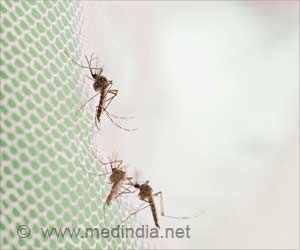
Dengue is a tropical disease caused by mosquitoes carrying the dengue virus. Symptoms include fever, joint & muscle ache, fatigue, nausea and skin rash.
Dengue is a tropical disease caused by mosquitoes carrying the dengue virus. Symptoms include fever, joint & muscle ache, fatigue, nausea and skin rash.
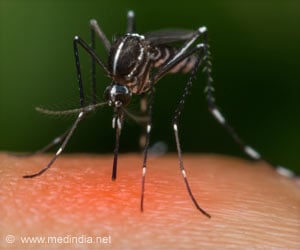
Dengue fever is transmitted by a mosquito bite and is prevalent in sub-tropical and tropical regions including South East Asia and South America. Symptoms include high fever, severe aching in the joints and vomiting. The dengue virus can also cause hemorrhagic fever, which can be fatal.
Professor Gavin Screaton, the lead author of the study from Imperial College London, and his colleagues identified a set of antibodies, produced by the human immune system to fight off the dengue virus, that they believe scientists should avoid including in any new vaccine to prevent dengue fever.

Climate Change Impact On Dengue Fever - New Study
An Australian study on the impact of climate change on dengue fever could throw light on the mosquito-borne disease and perhaps pave the way for better control of the problem.
An Australian study on the impact of climate change on dengue fever could throw light on the mosquito-borne disease and perhaps pave the way for better control of the problem.
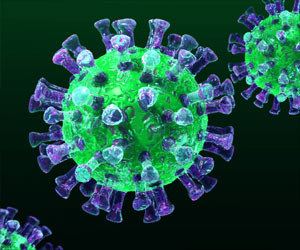
The study suggests that when a person who has already been infected with one strain of dengue virus encounters a different strain of dengue virus, the prM antibodies awakened during the first infection spring into action again. However, rather than protecting the body from the second infection, these prM antibodies help the virus to establish itself.
Advertisement

Scientists Find Way to Control Dengue Fever Spread
Researchers from University of Queensland's (UQ) School of Biological Sciences claim to found a way to control the spread of dengue fever.
Researchers from University of Queensland's (UQ) School of Biological Sciences claim to found a way to control the spread of dengue fever.
The researchers reached their conclusions after analysing individual antibodies to the dengue virus extracted from blood samples donated by infected volunteers.
Advertisement

Control Disease Spread By Preventing Mosquito Urination
American researchers have discovered a new protein that may help control disease-spreading mosquitoes.
American researchers have discovered a new protein that may help control disease-spreading mosquitoes.
Source-ANI
TAN