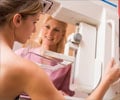
While a US government task force has suggested mammogram for women only after the age of 50, and only infrequently thereafter, Australian researchers are stressing the need to have a relook at the benefits of mammography.
Routine mammograms only lead to “overdiagnosis of invasive breast cancer by as much as 42 per cent,” says a paper published in the Cancer Causes Control journal by University of Sydney's School of Public Health.The varsity paper titled, Estimates of overdiagnosis of invasive breast cancer associated with screening mammography, points to the pressing need to develop tests to predict which screening-detected cancers are likely to progress.

Breast Cancer - Causes, Risks, Symptoms, Diagnosis, Staging, Treatment, Prevention & Prognosis
Breast cancer is a cancer that affects the breasts or mammary glands. Early detection and lifestyle changes help in controlling breast cancer.
Breast cancer is a cancer that affects the breasts or mammary glands. Early detection and lifestyle changes help in controlling breast cancer.
Increased mammography could indeed mean reduced mortality rate, they acknowledge but there is a flip side to it - 30 to 42 per cent excess of women diagnosed with invasive breast cancer, over that expected and they undergo unnecessary treatment.
This translates to about 23 to 29 per cent of all breast cancers diagnosed in New South Wales as being overdiagnosed and over treated, said the study.
It also takes into account risk factors such as hormone replacement therapy and obesity, both of which have contributed to the rise of breast cancer since about the same time as publicly-funded mammography screening programmes were introduced.
"Even when these risks are accounted for, we still find breast cancer overdiagnosis is very high. Overdiagnosis means many women are needlessly having surgery or other treatment at great personal cost," Prof Barratt noted.
She also stressed that while their calculations were based on the incidence of invasive breast cancer in New South Wales, the findings apply across Australia and similar countries.
Advertisement

Women Should Wait Till 50 for Mammogram, Says US Agency
Women can afford to wait till the age of 50 for a mammogram. Anyway those at average risk of breast cancer in their 40s don't benefit from the procedure.
Women can afford to wait till the age of 50 for a mammogram. Anyway those at average risk of breast cancer in their 40s don't benefit from the procedure.
Source-Medindia
GPL

Policy Unchanged On Mammogram – US Govt
US Health Secretary has sought to allay fears that mammograms wont be covered by Medicaid and declared there is no change in the government policy on the issue.
US Health Secretary has sought to allay fears that mammograms wont be covered by Medicaid and declared there is no change in the government policy on the issue.