Malaria - Causes, Symptoms, Diagnosis, Prevention, Treatment
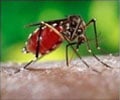
Malaria is caused by a parasite that enters blood through the bite of an infected mosquito. It is characterized by fever, vomiting, shivering, sweating and other symptoms.
Malaria is caused by a parasite that enters blood through the bite of an infected mosquito. It is characterized by fever, vomiting, shivering, sweating and other symptoms.
‘New insights on the origins of deadly infectious diseases vital to understanding emergence of human pathogens.’
Tweet it Now
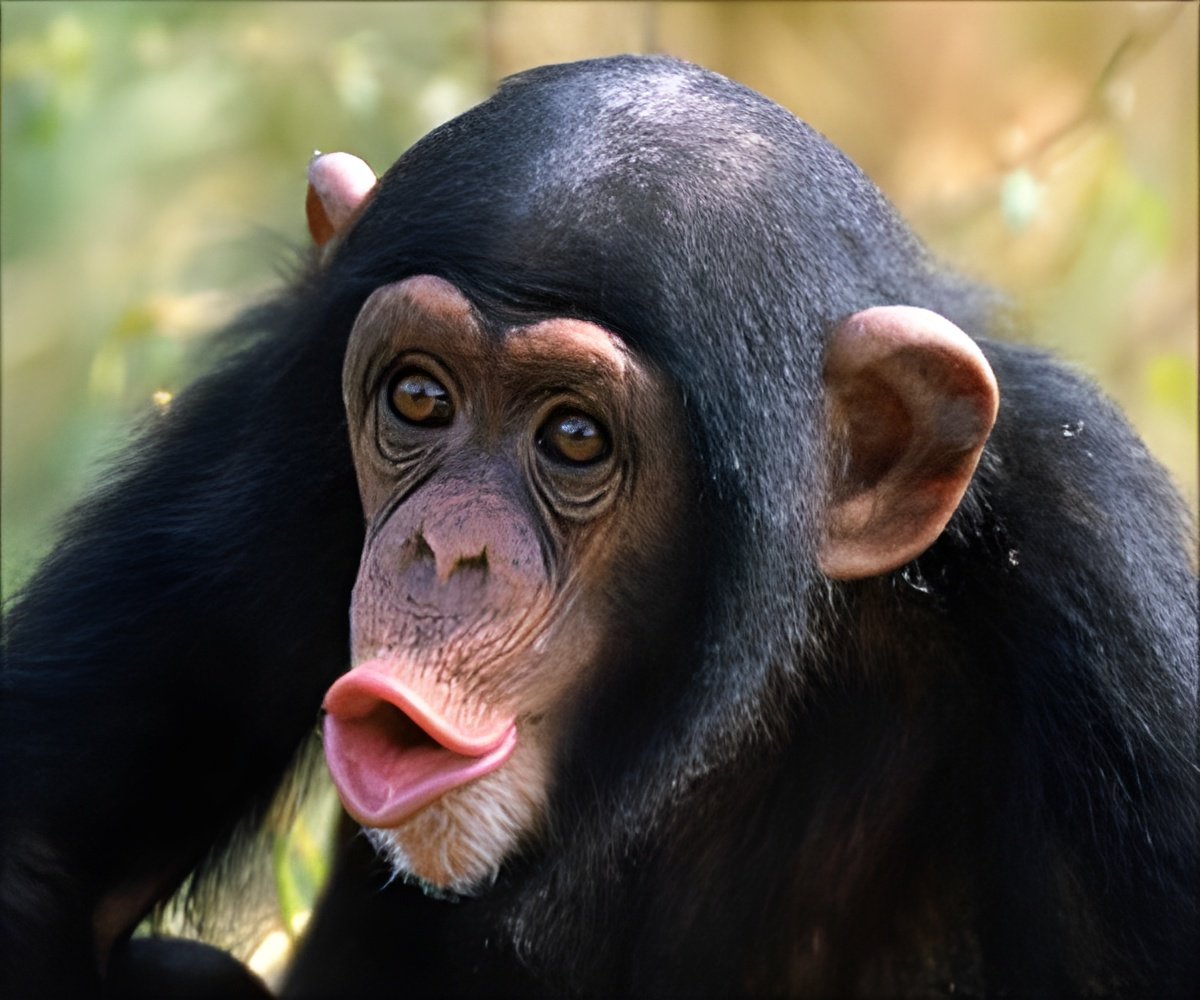
While not as deadly as malaria caused by Plasmodium falciparum, P. vivax malaria is debilitating and widespread, potentially infecting about one third of the world's population, mainly in Asia and Latin America. Most people in Africa are not at risk for infection by P. vivax malaria because they carry a genetic mutation that makes them resistant to this strain. However, African apes living in the wild are naturally infected with parasites that are very similar to those infecting humans. The researchers caution that it is important to monitor new cases of P. vivax infection in central Africa to determine whether any reflect ape-to-human transmissions. "Chimpanzees, bonobos, and gorillas all harbor parasites that are close relatives of human P. vivax, but to date our knowledge of these parasites has been limited to a small number of gene fragments," said co-senior author Beatrice Hahn, MD, a professor of Medicine and Microbiology at Penn.
In this study, researchers compared almost-full-length genomes of ape parasites with sequences of P. vivax strains infecting humans worldwide.

Malaria - Protection Strategies
Malaria is a dangerous disease with lethal consequences that requires protective measures for prevention and control of malaria in endemic regions of the world.
Malaria is a dangerous disease with lethal consequences that requires protective measures for prevention and control of malaria in endemic regions of the world.
After generating sequences of parasites infecting chimpanzees and gorillas, the team found that ape P. vivax show very different patterns of genetic diversity, compared to their human counterparts. They also found no evidence that the ape P. vivax parasites discriminate which ape species they infect.
Advertisement

Quiz on Malaria
Malaria is a common parasitic disease of the tropics, resulting in a million deaths every year. It is most commonly found in tropical countries. The symptoms of malaria include fever with chills, headache, muscle aches, tiredness, nausea, vomiting, and diarrhea. Malaria fatalities can be reduced if they are detected early and treated appropriately
Malaria is a common parasitic disease of the tropics, resulting in a million deaths every year. It is most commonly found in tropical countries. The symptoms of malaria include fever with chills, headache, muscle aches, tiredness, nausea, vomiting, and diarrhea. Malaria fatalities can be reduced if they are detected early and treated appropriately
From an ancient population of P. vivax parasites, which likely infected both humans and apes in Africa, a "bottlenecked" parasite population emerged when P. vivax migrated with humans out of Africa. This once-small parasite population subsequently underwent a rapid population expansion as it dispersed over much of the globe, while the spread of the malaria-protective mutation eliminated P. vivax from people in most of sub-Saharan Africa.
Advertisement

New Method of Diagnosing Cancer With Malaria Protein Discovered
A new method of diagnosing cancer in its early stages in humans by way of a malaria protein - VAR2CSA - which sticks to cancer cells has been discovered by scientists.
A new method of diagnosing cancer in its early stages in humans by way of a malaria protein - VAR2CSA - which sticks to cancer cells has been discovered by scientists.
Recently, reports of P. vivax infection of humans in Africa have been increasing. "Since parasites very similar to human P. vivax infect a large number of wild-living apes, we need to be aware that there could be spillover into humans," said co-senior author Paul Sharp, PhD, an evolutionary biologist at the University of Edinburgh. The team cautions that malaria monitoring programs should keep a watch to see if the genetic diversity of the ape parasites is infiltrating human-infecting strains.
Source-Eurekalert