Malaria - Causes, Symptoms, Diagnosis, Prevention, Treatment
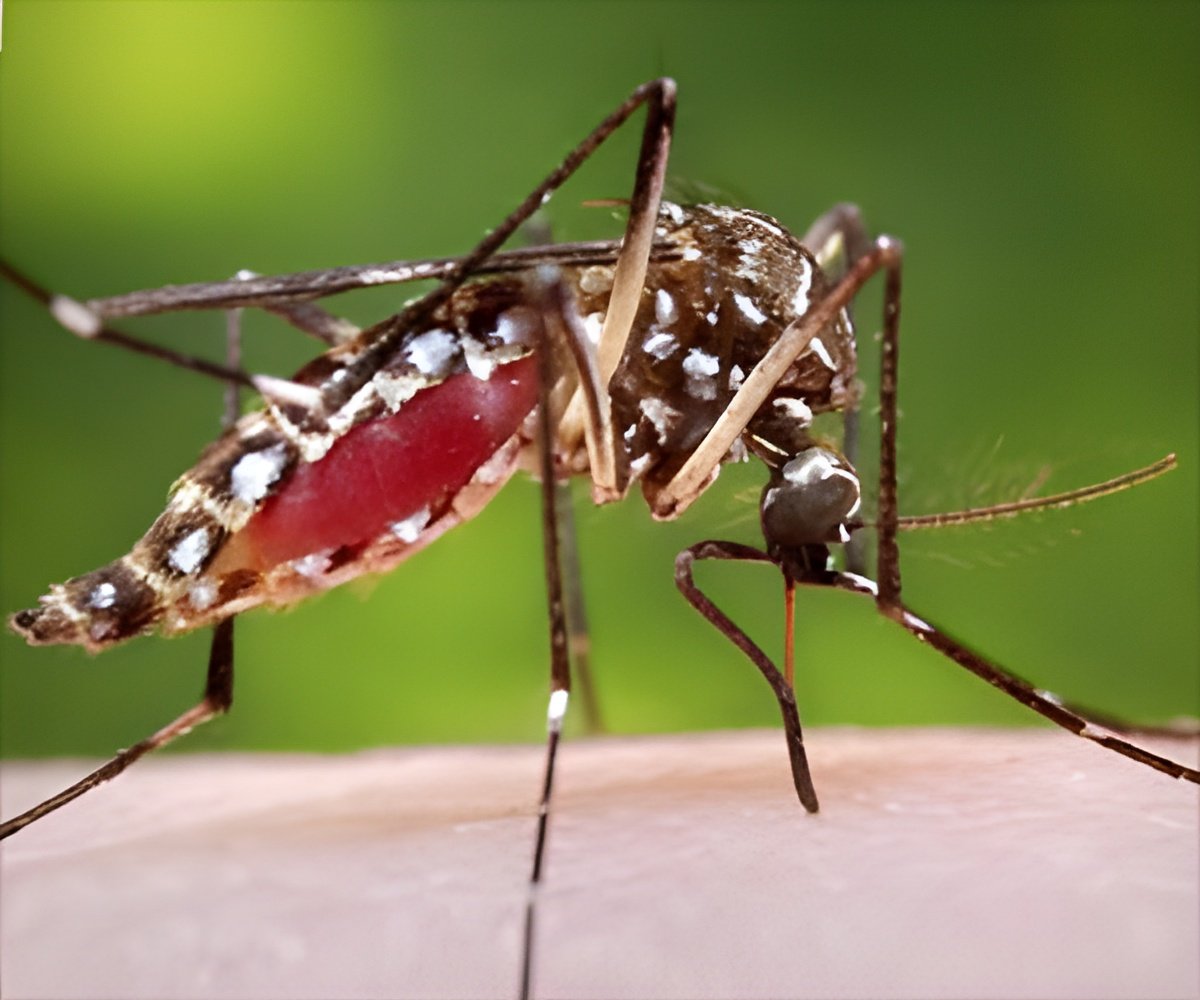
Malaria is caused by a parasite that enters blood through the bite of an infected mosquito. It is characterized by fever, vomiting, shivering, sweating and other symptoms.
Malaria is caused by a parasite that enters blood through the bite of an infected mosquito. It is characterized by fever, vomiting, shivering, sweating and other symptoms.
The technology is based on a discovery about the plug in 2009 by Flaminia Catteruccia, Ph.D., then at Imperial College London. Catteruccia's research detailed the biochemical composition of the plug, identified the transglutaminase enzyme and showed that blocking the enzyme prevents females from storing sperm to fertilize their eggs. Catteruccia, now at the Harvard School of Public Health, is collaborating with Baxter and his team at Yale to translate that knowledge into technology to put a dent in the population of malaria mosquitoes.
"We have completed the necessary groundwork to start screening for chemicals that inhibit the enzyme," Baxter explained. "I think that there's a good chance that we will find a compound because there are many existing compounds that inhibit other transglutaminases. Ideally, it would be a substance that could be fed to males, sterilizing them so that they mate but no offspring result. It's a well-established biological insect-control technology called the sterile insect technique and has been used for decades."

Antibody-based Therapies Effective at Controlling Malaria
Passive immunization through the development of fully human antibodies specific to Plasmodium falciparum may be effective at controlling the disease, according to a report.
Passive immunization through the development of fully human antibodies specific to Plasmodium falciparum may be effective at controlling the disease, according to a report.
The new approach may help to deploy the sterile insect technique against mosquitoes by overcoming previous logistical and environmental concerns. "By developing a chemical that is specific to the Anopheles mosquito and applied in a contained environment, we can minimize both cost and environmental impact," says Baxter. The technology is compatible with other methods such as genetic modification, pioneered by the British firm Oxitec.
Advertisement
No Need For Malaria Hospital In Kolkata
There is no need for a malaria hospital in Kolkata as here the disease has been contained said Dr P L Joshi, Director of National Vector Born Disease Control Programme.
There is no need for a malaria hospital in Kolkata as here the disease has been contained said Dr P L Joshi, Director of National Vector Born Disease Control Programme.
Source-Eurekalert

Gates Foundation, MMV Plan To Fund Malaria Research Center in UAE
The Bill & Melinda Gates Foundation and the Medicines for Malaria Venture plan to fund the establishment of a research center in the United Arab Emirates (UAE).
The Bill & Melinda Gates Foundation and the Medicines for Malaria Venture plan to fund the establishment of a research center in the United Arab Emirates (UAE).