

Breast Cancer Screening using Mammogram
Breast cancer if detected early can be completely cured. Mammography is used to screen women for breast cancer.
Breast cancer if detected early can be completely cured. Mammography is used to screen women for breast cancer.
‘Very few women get informed by their physicians that breastfeeding can reduce cancer risk. Women should be told that breastfeeding can lower breast cancer risk and promote mother's health.’
Read More..Tweet it Now
Epidemiological studies show a strong correlation between prolonged breastfeeding and a reduced risk of developing triple negative breast cancer, an aggressive form of breast cancer. This knowledge is especially relevant for African American women considering whether to breastfeed, who are two times more likely to develop triple-negative breast cancer when compared with women of other ethnicities.Read More..
"We have a duty as a medical community to ensure our patients have the reliable knowledge," said Ramaswamy, breast medical oncology division director at The Ohio State University Comprehensive Cancer Center - Arthur G. James Cancer Hospital and Richard J. Solove Research Institute (OSUCCC - James). "When it comes from a professional, medical information is much more likely to affect people's choices. When it comes to breast cancer specifically, prevention is the best outcome."
For this study, OSUCCC - James researchers conducted a survey of 724 women who had at least one live birth. Survey respondents were recruited through the Ohio State University Wexner Medical Center primary care practices and a national clinical research registry.

Breast Cancer - Prevention and Management with Lifestyle Changes
Lifestyle choices may or may not cause breast cancer but healthy lifestyle changes can open up avenues beyond breast cancer. Good habits will allow one to fight breast cancer and to live with dignity.
Lifestyle choices may or may not cause breast cancer but healthy lifestyle changes can open up avenues beyond breast cancer. Good habits will allow one to fight breast cancer and to live with dignity.
Ongoing Research:
Advertisement

Breast Cancer during Pregnancy - Staging, Signs, Diagnosis and Treatment
Management of breast cancer during pregnancy or pregnancy associated breast cancer requires special consideration to avoid harm to the fetus.
Management of breast cancer during pregnancy or pregnancy associated breast cancer requires special consideration to avoid harm to the fetus.
Previous studies suggest that giving birth and breastfeeding lowers a woman's overall risk of developing breast cancer, with the most recent data pointing to breastfeeding being protective specifically against triple-negative breast cancers.
Advertisement
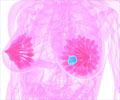
Triple-Negative Breast Cancer - Causes, Symptoms, Diagnosis, Treatment, Prevention & Prognosis
Triple-negative breast cancers are ER negative, PR negative, and lack overexpression of HER-2. They are difficult to treat and are very aggressive.
Triple-negative breast cancers are ER negative, PR negative, and lack overexpression of HER-2. They are difficult to treat and are very aggressive.
Research has also shown that women native to Africa have higher rates of breastfeeding and lower rates of breast cancer. The reasons how breastfeeding affect breast cancer risk remain unclear, but research suggests that it may be related to pro-inflammatory processes coordinated by STAT3 activation.
Ramaswamy is leading a basic science study that will test the hypothesis that an overarching biologic mechanism of altered STAT3 activation triggering a proliferative/inflammatory environment in the breast tissue that did not undergo gradual involution following pregnancy and prolonged breastfeeding results in a higher risk for breast cancer.
Knowledge gained in this study is expected to enhance knowledge of the biological mechanisms underlying the connection between breastfeeding and breast cancer risk, particularly difficult-to-treat triple-negative breast cancers. This will also help identify prevention strategies for mothers who are unable to breastfeed. The ongoing study is funded by Pelotonia, a grassroots cycling event that has raised more than $156 million for cancer research conducted at the OSUCCC - James.
Source-Eurekalert