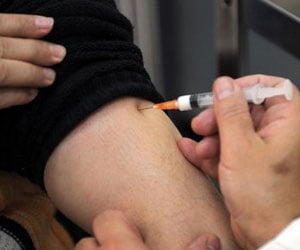
Both exclusive breastfeeding and supplemental breastfeeding were associated with reduced development of allergies, according to new study.
Children Food Allergies – Peanut Allergy – Egg Allergy - Milk Allergy
If you are allergic to certain food items-Watch out for what you eat
If you are allergic to certain food items-Watch out for what you eat
‘Children of mothers with poor dietary diversity, along with a maternal history of allergic disease were more likely to develop eczema and/or food allergy.’





"We examined whether the children were delivered by vaginal delivery or C-section, and whether they were exclusively breastfed or had supplemental breastfeeding," says allergist David Hill, MD, PhD, ACAAI member and lead author of the study. "We found vaginal delivery was associated with a reduced rate of development of allergic conditions. In addition, both exclusive breastfeeding and supplemental breastfeeding were associated with reduced development of allergies. While a mother can't always control the way her baby is delivered, exclusive or supplemental breastfeeding may be helpful in reducing the rate of onset and overall burden of allergies in children." Presentation Title: Delivery Mode and Feeding Practices Influence Allergic Disease Burden Presenter: David Hill, MD, PhD
Mother's Diet During Pregnancy and Allergy History Affect Offspring - This Healthy Start study in Denver examined whether an association existed between how the mother ate during pregnancy, the mother's history of allergic disease and whether the child developed eczema and/or a food allergy.

Test Your Knowledge on Food Allergy
Food allergy is an abnormal response of the body to certain kinds of food. The signs and symptoms may be mild to severe. Symptoms such as flu or common cold often seems trivial or go unnoticed. But, food allergy is not to be confused with food intolerance.
Food allergy is prevalent in 1 in 20 children and about 2 in 100 adults. The majority of allergies in food are not severe, however a child may outgrow them with time. Some allergies may be even life-threatening causing reactions known as anaphylaxis.
Food allergy is an abnormal response of the body to certain kinds of food. The signs and symptoms may be mild to severe. Symptoms such as flu or common cold often seems trivial or go unnoticed. But, food allergy is not to be confused with food intolerance.
Food allergy is prevalent in 1 in 20 children and about 2 in 100 adults. The majority of allergies in food are not severe, however a child may outgrow them with time. Some allergies may be even life-threatening causing reactions known as anaphylaxis.
Eczema: Miracles with Homeopathy
Eczema is a chronic inflammatory skin disease characterized by severe itching, redness, scaling and crusting. Homoeopathy can cure eczema.
Eczema is a chronic inflammatory skin disease characterized by severe itching, redness, scaling and crusting. Homoeopathy can cure eczema.
Presentation Title: Maternal Diet During Pregnancy and Eczema and Food Allergy in Offspring: Healthy Start Study Presenter: Carina Venter, PhD, RD
Source-Eurekalert

Chances of Normal Vaginal Delivery Differ With Epidural and Position of Labour
Normal vaginal delivery rate increases for first time mothers who lie down during later stages of labour and have low-dose epidural.
Normal vaginal delivery rate increases for first time mothers who lie down during later stages of labour and have low-dose epidural.