
Indian Snake Antivenom - An Overview
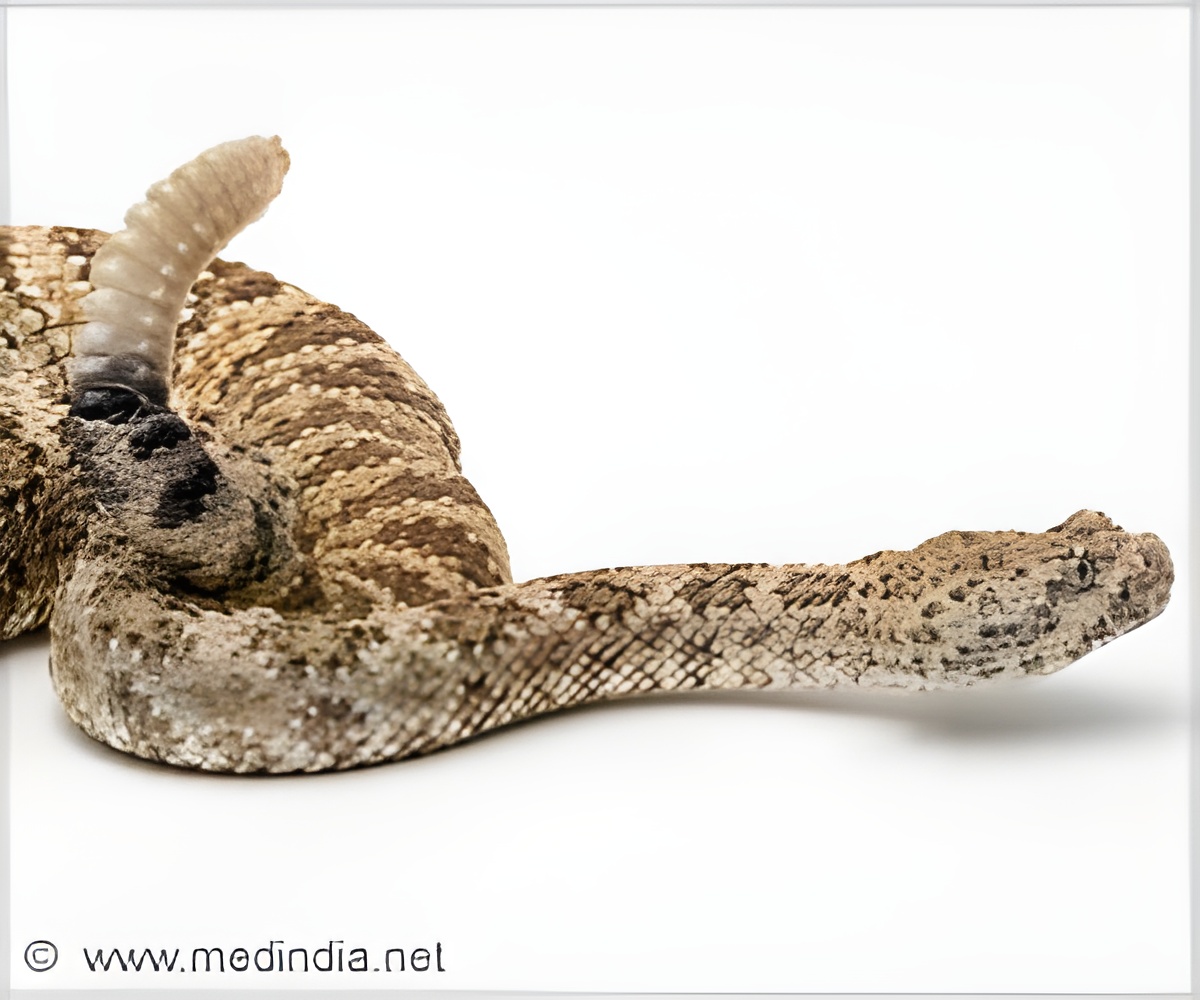
Snake antivenom is a medicine used for the treatment of patients suffering from snake envenomation.
Snake antivenom is a medicine used for the treatment of patients suffering from snake envenomation.
‘Knowing more about the evolutionary history of venomous species can help us make more targeted decisions about the potential use of venom compounds in treating illnesses. ’
Tweet it Now
"New environments, the development of venom resistance in its prey, and other factors can cause a species to evolve in order to survive. These changes can produce novel compounds -- some of which may prove extremely useful in drug development." To date, only six Food and Drug Administration-approved, venom-derived drugs have been developed as a result of modern-day research, but Holford and her colleagues believe greater investment in venom research could yield therapies for currently untreatable diseases as well as improved therapeutic options.
Potential drug advances include therapeutic peptides derived from the venomous sea anemone, which researchers believe could treat autoimmune diseases; therapeutic neurotoxins derived from the Conus magus, which scientists think could provide non-addictive treatment of chronic pain; chlorotoxin from the deathstalker scorpion, which could be the basis for a surgical tumor-imaging technique; and spider toxins, which could yield ecofriendly insecticides.

Quiz on Autoimmune Disorders
The prevalence and incidence of autoimmune disorders such as type 1 diabetes, lupus and celiac disease are on the rise, revealed a study, however researchers at the Centers for Disease Control are unable to pinpoint a cause for this increase. Test your knowledge on autoimmune disorders by taking this quiz.
The prevalence and incidence of autoimmune disorders such as type 1 diabetes, lupus and celiac disease are on the rise, revealed a study, however researchers at the Centers for Disease Control are unable to pinpoint a cause for this increase. Test your knowledge on autoimmune disorders by taking this quiz.
Source-Eurekalert

Top Ten Facts About Diabetes
Diabetes or diabetes mellitus, is an endocrine and metabolic disorder characterized by high blood sugar levels (hyperglycemia) over a prolonged period of time.
Diabetes or diabetes mellitus, is an endocrine and metabolic disorder characterized by high blood sugar levels (hyperglycemia) over a prolonged period of time.

Snakebite can Put Millions at Risk Due to Lack of Anti-Venom Drug
People living in isolated areas are more prone to get bitten by venomous snakes and die due to lower access to anti-venom medications than those in an urban setting, study says.
People living in isolated areas are more prone to get bitten by venomous snakes and die due to lower access to anti-venom medications than those in an urban setting, study says.