
Amazing Benefits of Gut Bacteria
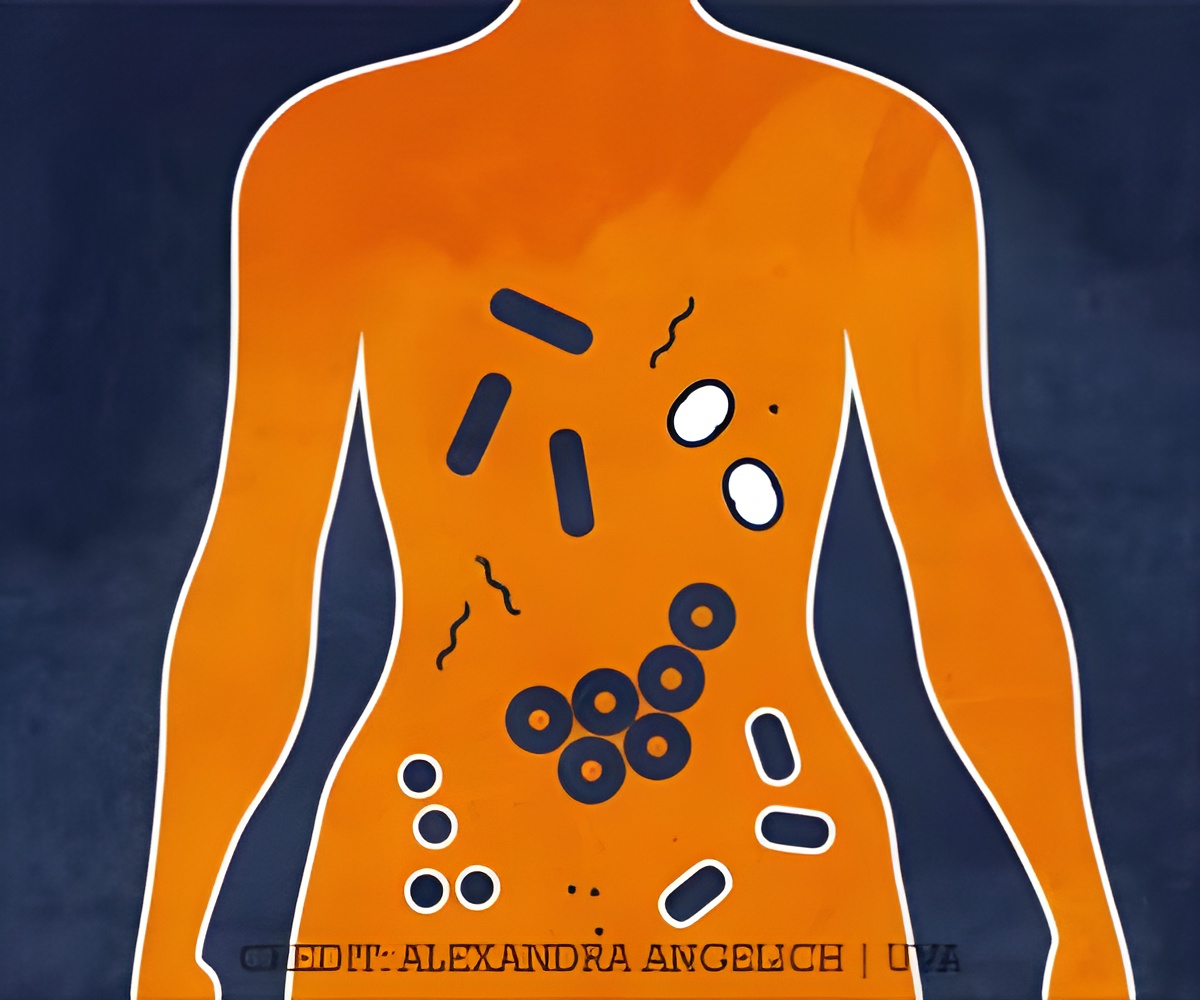
The bacteria that live in the gut offer numerous health benefits such as synthesis of vitamin K, boosting immunity and metabolism of bile acids.
The bacteria that live in the gut offer numerous health benefits such as synthesis of vitamin K, boosting immunity and metabolism of bile acids.
‘A healthy diet, high in fiber, along with regular physical activity and good sleep contribute to a healthy gut and improve overall health.’
Read More..Tweet it Now
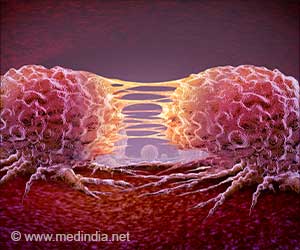
"When we disrupted the microbiome’s equilibrium in mice by chronically treating them antibiotics, it resulted in inflammation systemically and within the mammary tissue," she said. "In this inflamed environment, tumor cells were much more able to disseminate from the tissue into the blood and to the lungs, which is a major site for hormone receptor-positive breast cancer to metastasize."Read More..
Hormone Receptor-Positive Breast Cancer
Most breast cancers - 65 percent or more - are hormone receptor positive. That means their growth is fueled by a hormone, either estrogen or progesterone. The good news is that these types of cancers are likely to respond well to hormone therapy.

Breast Cancer - Causes, Risks, Symptoms, Diagnosis, Staging, Treatment, Prevention & Prognosis
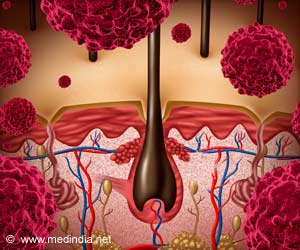
Breast cancer is a cancer that affects the breasts or mammary glands. Early detection and lifestyle changes help in controlling breast cancer.
Breast cancer is a cancer that affects the breasts or mammary glands. Early detection and lifestyle changes help in controlling breast cancer.
"One of them is having a high level of [immune] cells called macrophages present within the tissue," she said. "There have also been studies that have demonstrated that increased amounts of the structural protein collagen in the tissue and tumor also lead to increased breast cancer metastasis."
Advertisement

Healthy Gut Bacteria Reduce Risk of Death in Heart Failure Patients
A diet rich in dietary fiber is associated with the growth of healthier gut bacteria, which in turn reduce the risk of death in heart failure patients or the need for a heart transplant, reveals a recent study.
A diet rich in dietary fiber is associated with the growth of healthier gut bacteria, which in turn reduce the risk of death in heart failure patients or the need for a heart transplant, reveals a recent study.
"Disrupting the microbiome resulted in long-term inflammation within the tissue and the tumor environment," Rutkowski said. "These findings suggest that having an unhealthy microbiome, and the changes that occur within the tissue that are related to an unhealthy microbiome, may be early predictors of invasive or metastatic breast cancer. Ultimately, based upon these findings, we would speculate that an unhealthy microbiome contributes to increased invasion and a higher incidence of metastatic disease."
Advertisement

Gut Bacteria Diversity Affected by Polycystic Ovarian Syndrome
Elevated testosterone levels in women linked to less diverse microbiome composition in the gut.
Elevated testosterone levels in women linked to less diverse microbiome composition in the gut.
While Rutkowski used powerful antibiotics to disrupt the mice’s natural gut bacteria, she emphasized that antibiotics are not dangerous and should not be avoided by women with breast cancer or anyone who needs them to treat infections. Mice, after all, are not people, and substantially more research needs to be done to define whether an association exists between chronic antibiotics usage and cancer outcome.
For this study, the antibiotics were only a means to an end, a simple way to create a long-term imbalance to the microbiome, similar to what individuals may experience with chronically unhealthy microbiomes. The effect was far, far more exaggerated than would occur in a person taking a normal course of antibiotics, or even multiple rounds.
Thanks in part to Rutkowski’s research, doctors eventually may be able to manipulate the microbiome to benefit patients with breast cancer. But the key message for now, Rutkowski said, is the importance of a healthy microbiome.
The finding adds to the growing evidence demonstrating that a healthy microbiome is vital for many aspects of good health. While she is a cancer researcher rather than a medical doctor, Rutkowski noted there are things that are generally accepted to promote a healthy microbiome.
"A healthy diet, high in fiber, along with exercise, sleep - all of those things that contribute to positive overall health," she said. "If you do all of those things, in theory, you should have a healthy microbiome. And that, we think, is very much associated with a favorable outcome in the long term for breast cancer."
Source-Eurekalert