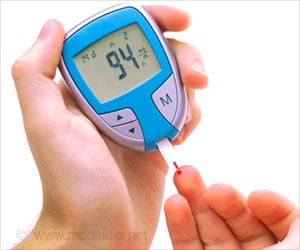
McMaster researchers link improved muscle health to better outcomes for people with diabetes.


Anabolic Steroid Abuse Leads to Impaired Insulin Sensitivity
Anabolic steroid abuse is linked with impaired insulin sensitivity, finds new research.
Anabolic steroid abuse is linked with impaired insulin sensitivity, finds new research.
‘Type 1 diabetes negatively affects muscle and that correcting these changes would improve physical abilities and whole body metabolism, ultimately increasing the healthy lifespan.’





The loss of skeletal muscle, which is the largest insulin-sensitive organ, impacts the body’s ability to regulate blood sugar and respond to insulin over time. This ‘insulin resistance’ which develops in those with Type 1 diabetes is a major contributor to other complications, such as kidney failure and cardiovascular disease. Type 1 diabetes mellitus is an autoimmune disease in which the body attacks the insulin producing cells of the pancreas. There is no cure for Type 1 diabetes, which often appears in childhood and adolescence, and affects up to 10 per cent of people with diabetes. The disease is treated with lifelong insulin injections to manage blood glucose levels.
“Through research with both mice and humans, we’ve shown that Type 1 diabetes negatively impacts muscle, and by improving muscle health we can reduce blood sugar levels and improve the response to insulin,” says Thomas Hawke, an associate professor of pathology and molecular medicine at the Michael G. DeGroote School of Medicine, and the senior author of both studies.

Things to Keep in Mind Before Injecting Insulin to Treat Diabetes
Insulin needs to be injected into fatty areas beneath the skin and not into the muscles. Also, do not inject into scar tissue, varicose veins or bruised sites.
Insulin needs to be injected into fatty areas beneath the skin and not into the muscles. Also, do not inject into scar tissue, varicose veins or bruised sites.
Currently, Hawke said, a number of pharmaceutical companies are in late stage clinical trials of new inhibitor drugs that have been shown to be “highly effective” in inhibiting myostatin with fewer adverse side effects.
Advertisement

Insulin-Sensitive Obese Individuals may Not be as Healthy as Previously Believed
The term 'healthy obesity' that has gained traction over the past 15 years may just be a notion, suggested a new study.
The term 'healthy obesity' that has gained traction over the past 15 years may just be a notion, suggested a new study.
More than 300,000 Canadians live with Type 1 diabetes, according to the Canadian Diabetes Association. Their life span may be shortened by as many as 15 years due to diabetes-related complications, such as heart attack, stroke or kidney failure.
Advertisement

MondoA Regulates Insulin Signaling
Transcription factor MondoA regulates key pathways controlling glucose uptake and fat accumulation in muscle cells.
Transcription factor MondoA regulates key pathways controlling glucose uptake and fat accumulation in muscle cells.
Source-Newswise