Tripura, Assam Bans Maggi, Meghalaya, Arunachal Pradesh Sends Samples for Testing
The directorate of health and family welfare directed all medical and food safety officers to collect samples of Maggi and send them for lab analysis.
The directorate of health and family welfare directed all medical and food safety officers to collect samples of Maggi and send them for lab analysis.
For Ramesh Nayak, 26, living got tougher after Maggi instant noodles were banned in Delhi. His cart in south Delhi selling Maggi noodles was his only earning until a week ago, when the local distributors stopped supplying Maggi noodles.
Manasa Datta, a 22-year-old student in Delhi, said, "When I was 10, I was always excited to have my mum pack Maggi for me as a school lunch. My teachers used to shun the sight of Maggi for lunch. Maggi noodles were a comfort meal for me for more than 10 years."

16 Samples of Maggi Collected in Bihar and Sent to Kolkata Laboratory for Testing
There is no testing facility in Bihar. So samples of Maggi noodles from across the state, including Patna, and have been sent to labs in Kolkata.
There is no testing facility in Bihar. So samples of Maggi noodles from across the state, including Patna, and have been sent to labs in Kolkata.
Maggi noodles are imported from India by many countries in Europe and Asia, as also Britain and the US. Himanshu Manglik, an official at Nestle India, said, "A part of the manufacturing done in India goes for export. In fact, enquiries reveal that most of the exported Maggi noodles find their way to Indian stores abroad."
Advertisement

Action Against Maggi Noodles Will be Taken Only After Test Reports Are In: Paswan
The Food and Consumer Affairs Minister Ram Vilas Paswan said that the Indian government had taken suo motu cognizance of the matter and ordered checks.
The Food and Consumer Affairs Minister Ram Vilas Paswan said that the Indian government had taken suo motu cognizance of the matter and ordered checks.
Source-Medindia
Maggi Noodles Banned in India: Food Safety and Standards Authority of India
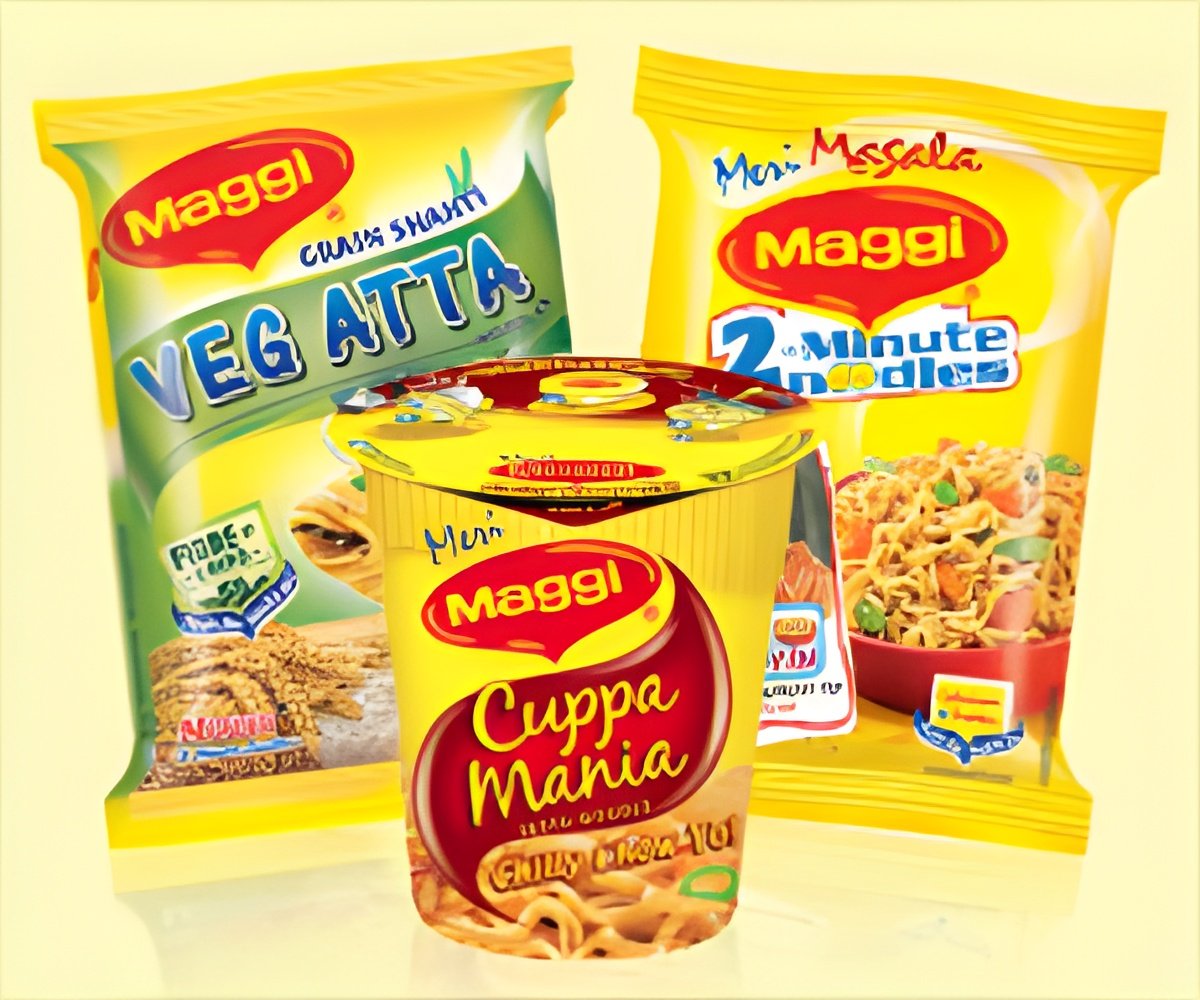
India's food safety regulator has banned Maggi noodles, citing it 'unsafe' and 'hazardous' after tests found the noodles contained excessive lead and MSG.
India's food safety regulator has banned Maggi noodles, citing it 'unsafe' and 'hazardous' after tests found the noodles contained excessive lead and MSG.