But research led by the University of Melbourne reported in the International Journal of Cancer, could eventually improve treatments with the identification of a protein that appears to help tumor cells become more aggressive.
Pancreatic Cancer - All About the Disease, its Diagnosis and Management
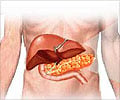
Pancreatic cancer often involves its exocrine part. It grows aggressively, and often detected late. Treatment options include surgery, radiation and chemotherapy.
Pancreatic cancer often involves its exocrine part. It grows aggressively, and often detected late. Treatment options include surgery, radiation and chemotherapy.
‘Targeting p21-activated kinase 1 (PAK1) could reduce the fibrosis surrounding pancreatic tumors and allow conventional chemotherapies to have a greater effect on the tumors.’
Tweet it Now
University of Melbourne pancreatic surgeon Mehrdad Nikfarjam, and
research associates, have identified a protein called p21-activated
kinase 1 (PAK1), in specific tumor cells called stellate cells.
Researchers were able to slow down growth and spread of tumors by targeting this protein in stellate cells in animal models, in combination with current chemotherapies.
Stellate cells are responsible for the fibrosis or scarring that surrounds pancreatic tumor cells, reducing the effectiveness of chemotherapy.
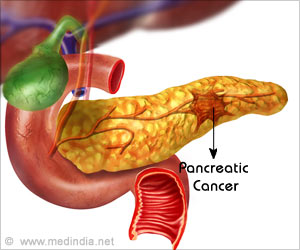
Combination of Chemotherapy Drugs in Pancreatic Cancer Prolongs Survival Rate
The combination of gemcitabine and capecitabine in pancreatic cancer patients may be the new standard of care after surgical removal of the tumor.
The combination of gemcitabine and capecitabine in pancreatic cancer patients may be the new standard of care after surgical removal of the tumor.
PAK1 was found to be involved in the fibrotic production, proliferation and death of these cells, and could assist tumor cells to become more aggressive.
Advertisement

Better Treatment Options For Pancreatic Cancer Underway
The latest research focuses on drugs that are already approved by the FDA to find out why those drugs are not working in patients with pancreatic cancer.
The latest research focuses on drugs that are already approved by the FDA to find out why those drugs are not working in patients with pancreatic cancer.
Associate Professor Mehrdad Nikfarjam said that although further testing is needed, an inhibitor could potentially increase survival of patients with pancreatic cancer.
Advertisement

Extracellular Vesicles � Novel Mechanism for Early Detection of Pancreatic Cancer
Extracellular vesicles (EV’s) derived from tumor cells could help early pancreatic cancer diagnosis, by using nanoparticle probes.
Extracellular vesicles (EV’s) derived from tumor cells could help early pancreatic cancer diagnosis, by using nanoparticle probes.
"PAK1's role as an important signalling protein in both the tumor and tumor environment is an important finding in unraveling the puzzle that is pancreatic cancer," Associate Professor Nikfarjam said.
Source-Eurekalert