
Home Pregnancy Test - Principle - Advantages - Perform - FAQs
A home pregnancy test is a test done to find out if one is pregnant or not in the relative comforts of the home.
A home pregnancy test is a test done to find out if one is pregnant or not in the relative comforts of the home.
"Preimplantation Factor appears to be essential for pregnancy to succeed," said Paidas. "For several decades, investigators have tried to isolate a compound that was absolutely required for pregnancy. We believe that Preimplantation Factor is in fact that compound."
Paidas and his colleagues conducted a genomic and proteomic study of both non-pregnant and pregnant uterine stromal cells, which are positioned directly beneath the uterine lining (epithelium). When these cells in culture were exposed to Preimplantation Factor, over 500 maternal genes and several proteins were significantly altered. Interestingly, Paidas said, profound changes were detected precisely in those pathways and networks critical for implantation.

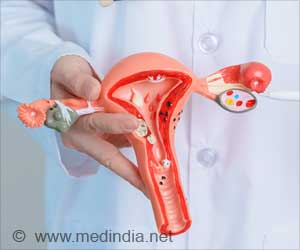
Ectopic Pregnancy - Causes - Symptoms - Diagnosis - Treatment - FAQs
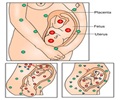
When the fertilization of the ovum occurs in a place other than the uterus, the condition is called ectopic pregnancy. This is a life-threatening condition, ectopic pregnancy surgery can help.
When the fertilization of the ovum occurs in a place other than the uterus, the condition is called ectopic pregnancy. This is a life-threatening condition, ectopic pregnancy surgery can help.
Studies are ongoing to establish Preimplantation Factor as a diagnostic test for pregnancy viability, not only in humans but in animals as well, since it appears to be universally present in mammals. Paidas said that there is even greater interest in the potential therapeutic applications, both in pregnancy and in other conditions such as autoimmune disease and transplantation. Preclinical studies are being conducted to pave the way for eventual human clinical trials.
Advertisement
Psychological Changes in Pregnancy - How to Deal - FAQs - Reference
Pregnancy is an experience of growth, change, enrichment and challenge. During the 40 weeks of pregnancy, the expectant mother will go through several physical and emotional changes.
Pregnancy is an experience of growth, change, enrichment and challenge. During the 40 weeks of pregnancy, the expectant mother will go through several physical and emotional changes.
Source-Eurekalert
RAS

Pregnancy and Diet/Diet during Pregnancy – Healthy Foods, Foods to Avoid
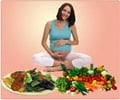
Pregnant women should pay special attention to their diet. The diet before and during pregnancy should be rich in calories, proteins, vitamins and minerals.
Pregnant women should pay special attention to their diet. The diet before and during pregnancy should be rich in calories, proteins, vitamins and minerals.