Mini Brains To Replace Lab Animals And Help Develop New Treatments For Neurological Diseases
The miniature brains are made of human stem cells. It contains neurons and cells of a human brain and even show evidence of electrical activity that can be measured.
The miniature brains are made of human stem cells. It contains neurons and cells of a human brain and even show evidence of electrical activity that can be measured.
‘Spinocerebellar ataxia is a genetic disease that causes wasting away of the cerebellum, the portion of the brain responsible for controlling voluntary muscle movement, like walking, speaking, and even the direction of our eyes.’
Tweet it Now
Currently, SCA has no cure or treatment. The mutations responsible for about 30 percent of cases are still unidentified. Two different families with SCA sought treatment at two different hospitals in Japan. After preliminary testing on the symptomatic individuals, doctors identified none of the known genetic mutations. Researchers at Hiroshima University then received the patient's genetic samples and began the process of searching for the new mutation. After genetic sequencing of four family members with SCA, a research team led by Professor Hideshi Kawakami, MD, PhD, from the Department of Epidemiology at Hiroshima University used statistical analysis to compare the families' DNA to that of unrelated people without SCA. This statistical analysis allowed researchers to identify which genetic variation the family members with SCA shared that healthy people did not.
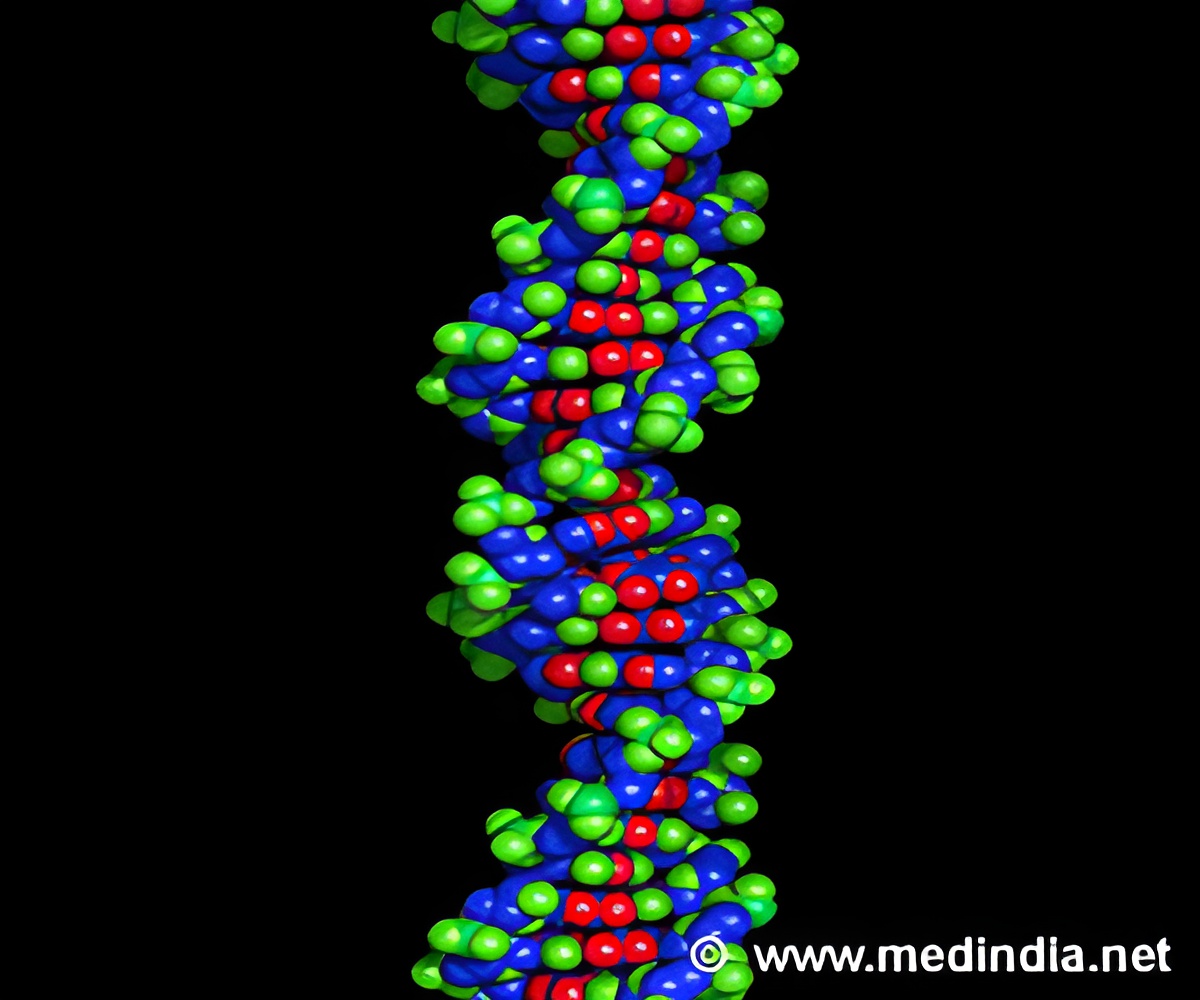
The gene responsible for causing both families' SCA is located on Chromosome 17. The gene, called CACNA1G, encodes the Cav3.1 protein. Cav3.1 serves as a type of ion channel, or gateway, between the inside of nerve cells and the rest of the body. Scientists in different fields of research already know Cav3.1 controls how many Calcium ions are allowed into nerves when they send an electrical impulse through the brain. Cav3.1 had never been linked to SCA before.

Existance of Neurological Diseases Spotted by Brainwave Markers
COGNISION system can be used to detect brainwave markers that point to the existence of certain neurological diseases.
COGNISION system can be used to detect brainwave markers that point to the existence of certain neurological diseases.
Skin cells from one patient were used in induced pluripotent stem cell experiments to grow this patient's neurons in the laboratory. These new neurons showed no obvious physical deformities, which might fit with normal SCA progression. Depending on which SCA mutation they have, some patients may not experience symptoms until middle-age.
Advertisement

Understanding How Disruptions in Cell Structures can Lead to Neurological Diseases
Microtubules act like a railroad track that essential proteins travel on. But if there is a glitch in the connection between train and track, diseases can occur.
Microtubules act like a railroad track that essential proteins travel on. But if there is a glitch in the connection between train and track, diseases can occur.
Source-Eurekalert

Scientists Study Blood Brain Barrier Function in Pediatric Neurological Diseases
The blood brain barrier (BBB) in the human brain is a very important aspect in human physiology.
The blood brain barrier (BBB) in the human brain is a very important aspect in human physiology.