
Breast Cancer - Prevention and Management with Lifestyle Changes
Lifestyle choices may or may not cause breast cancer but healthy lifestyle changes can open up avenues beyond breast cancer. Good habits will allow one to fight breast cancer and to live with dignity.
Lifestyle choices may or may not cause breast cancer but healthy lifestyle changes can open up avenues beyond breast cancer. Good habits will allow one to fight breast cancer and to live with dignity.
In the late-1990s, proteins called 'sirtuins' were linked to extended lifespan observed in several species maintained on a calorically restricted diet.
But how deficiency in a longevity gene led to increased ROS was not clear.

Breast Cancer - Causes, Risks, Symptoms, Diagnosis, Staging, Treatment, Prevention & Prognosis
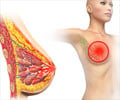
Breast cancer is a cancer that affects the breasts or mammary glands. Early detection and lifestyle changes help in controlling breast cancer.
Breast cancer is a cancer that affects the breasts or mammary glands. Early detection and lifestyle changes help in controlling breast cancer.
In the current study, the researchers show that Sirt3 knockout mice have decreased MnSOD activity despite having normal levels of the protein.
Advertisement
Breast Lumps
Most breast lumps are caused by hormonal changes in a woman and may not be cancerous. Common causes of breast lumps include fibroadenosis, breast cancer, breast cyst.
Most breast lumps are caused by hormonal changes in a woman and may not be cancerous. Common causes of breast lumps include fibroadenosis, breast cancer, breast cyst.
This aberrant modification of MnSOD reduced the enzyme's ability to detoxify superoxide and appeared to explain the increase in ROS in Sirt3 knockout mouse tumors.
Advertisement

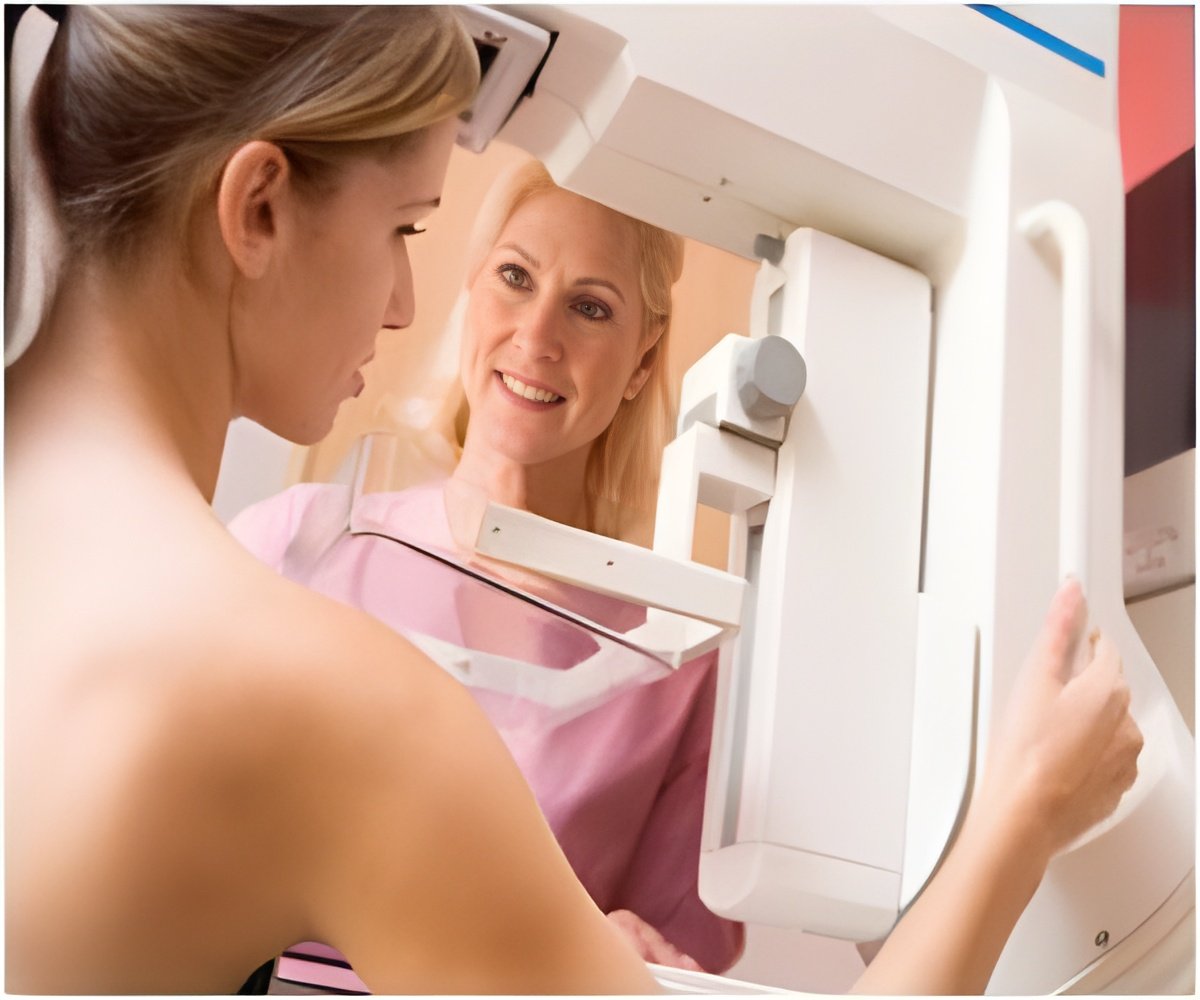
Breast Lumps Screening
Breast lumps must never be neglected but instead be subjected to medical examination to rule out cancer.
Breast lumps must never be neglected but instead be subjected to medical examination to rule out cancer.
The findings were published in Molecular Cell.
Source-ANI