Psoriasis About
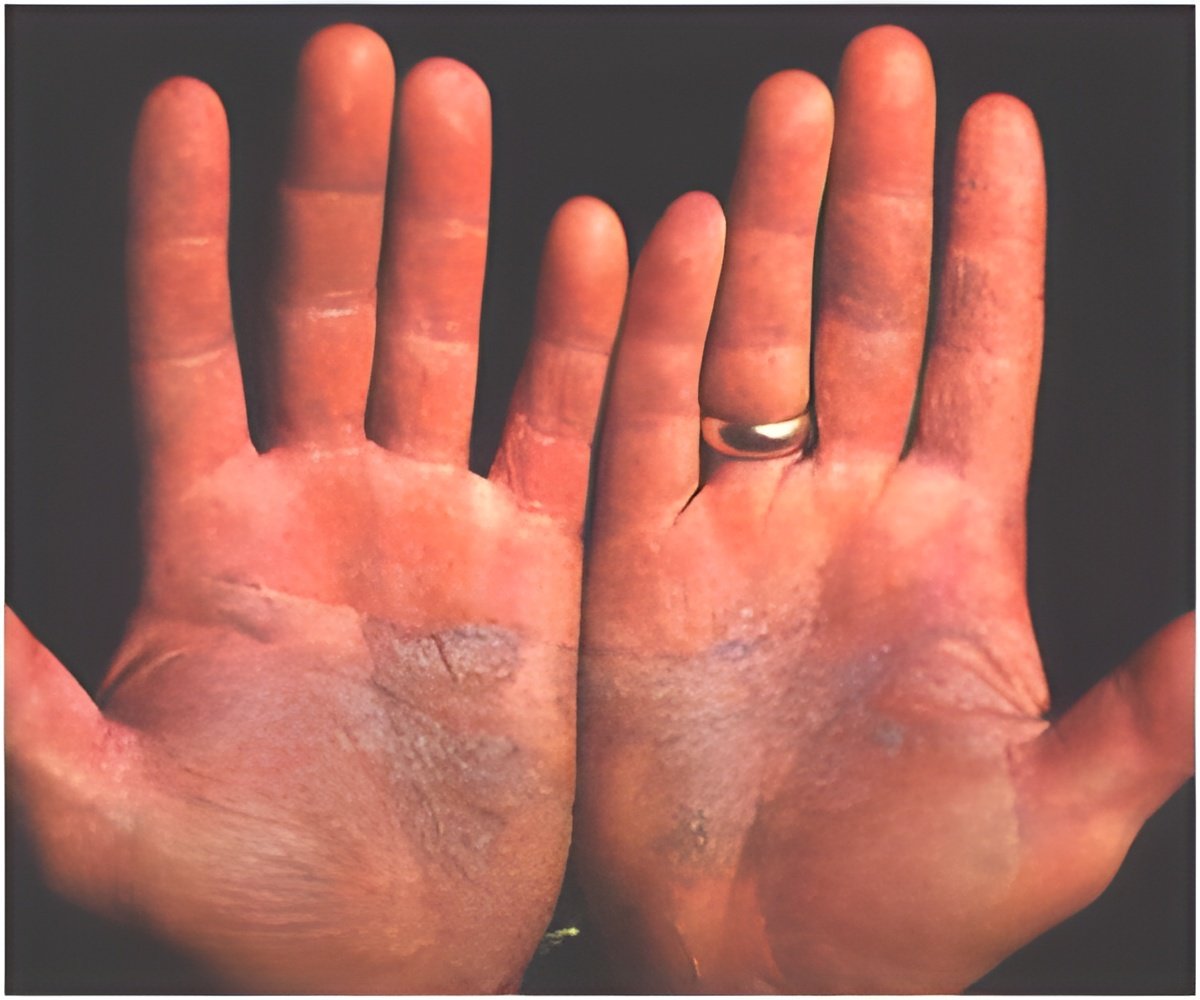
Psoriasis is a recurrent and complex inflammatory skin disorder that can have tremendous physical and psychological impact on the sufferer
Psoriasis is a recurrent and complex inflammatory skin disorder that can have tremendous physical and psychological impact on the sufferer
In the new study, Stockinger and her team found that triggering of AhR in skin cells with a compound derived from a chemical reaction to UV light exposure reduced inflammation in skin biopsies from psoriasis patients, whereas preventing activation of the AhR protein increased inflammation. Although psoriasis is a disease with a strong immune reaction, Stockinger and colleagues found that AhR in skin cells, but not immune cells, is important in responding to the trigger to dampen inflammation.
"Because available treatments for psoriasis are not always effective, it might be particularly useful to explore combination therapy with drugs directly targeting the immune system together with different ways of stimulating the AhR pathway," Stockinger says. "The focus of our ongoing studies will be to test whether this combination approach might give added improvement to current therapies."
Skin disease/ Dermatology - Disorder - Problems - Cancer - Pigmentation - Diseases - Infographics
Skin diseases also known as dermatologic disorders are many in number and so are their causes. The common skin diseases or skin disorders are usually related to the epidermal layer of skin.
Skin diseases also known as dermatologic disorders are many in number and so are their causes. The common skin diseases or skin disorders are usually related to the epidermal layer of skin.
Source-Eurekalert

Dry Skin / Xerosis - Symptom Evaluation
Dry skin a result in inadequate hydration of the skin. This could be either due to a reduced intake of fluids or faster evaporation following loss of oily layer on the skin.
Dry skin a result in inadequate hydration of the skin. This could be either due to a reduced intake of fluids or faster evaporation following loss of oily layer on the skin.

Foods that are Bad for your Skin
Hydration, sebum formation and skin acidity determine the skin condition. Along with aging and environmental factors, diet too influences skin condition.
Hydration, sebum formation and skin acidity determine the skin condition. Along with aging and environmental factors, diet too influences skin condition.