
Air travel: To fly or not to fly: Heart Disease - DVT - Pregnancy - Diabetes - Ear Aches
Air travel is for everyone, even those with medical conditions.
Air travel is for everyone, even those with medical conditions.
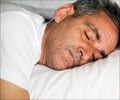
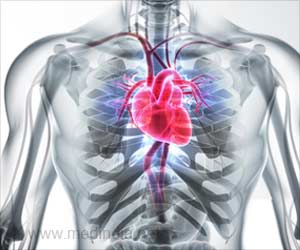
‘Continuous positive airway pressure (CPAP) treatment at night can lower daytime resting heart rates in patients with prediabetes who have obstructive sleep apnea, reducing their risk of cardiovascular disease.’
Tweet it Now
The discovery could potentially help the 1 billion people worldwide with obstructive sleep apnea, in which the prevalence of prediabetes and diabetes is over 60 percent. Furthermore, the vast majority of patients with obstructive sleep apnea are undiagnosed. The study's findings are especially timely, given that people with diabetes or cardiovascular problems are among the most vulnerable to COVID-19.
"Any way we can improve cardiovascular health is more important than ever these days," Tasali said.

Continuous Positive Airway Pressure may Not Improve Glycemic Control
Many studies have indicated that obstructive sleep apnea (OSA) may contribute towards the development and progression of type 2 diabetes.
Many studies have indicated that obstructive sleep apnea (OSA) may contribute towards the development and progression of type 2 diabetes.
"That's significant," Tasali said, noting that a drop of even one beat per minute in resting heart rate can lower the mortality rate and future risk of developing cardiovascular disease.
Advertisement

Quiz on Obstructive Sleep Apnea
Do you feel sleepy all day despite sleeping normal hours? One of the possible reasons for this sleepiness could be obstructive sleep apnea. Test your knowledge on obstructive sleep apnea by taking this quiz.
Do you feel sleepy all day despite sleeping normal hours? One of the possible reasons for this sleepiness could be obstructive sleep apnea. Test your knowledge on obstructive sleep apnea by taking this quiz.
Resting heart rate is key to a person's health and well-being. A high resting heart rate signals increased stress to the heart. It is a strong predictor of heart problems and death, the doctors said. Prior research has shown that in middle-aged people, every beat-per-minute increase in resting heart rate is associated with a 3% higher mortality rate.
Advertisement
Gastric Banding as Effective as Metformin in Slowing Prediabetes, Type 2 Diabetes: Study
People with prediabetes and type 2 diabetes who had undergone gastric banding lost significantly more weight, an average of 23 pounds, compared to four pounds in the metformin group.
People with prediabetes and type 2 diabetes who had undergone gastric banding lost significantly more weight, an average of 23 pounds, compared to four pounds in the metformin group.
Doctors use CPAP to treat obstructive sleep apnea. It keeps a person's airway open and oxygen levels steady during the night, thus lowers their heart rate. However, Pamidi isn't encouraging people to go online and buy the machine. Obstructive sleep apnea is a medical diagnosis that must be made by a doctor after a sleep study.
"Our recent findings urge people who have prediabetes, diabetes or sleeping problems to be screened for sleep apnea," Pamidi said.
Today, about 80% of sleep apnea cases are undiagnosed. An estimated 50% to 70% of people with prediabetes or diabetes have sleep apnea.
"The majority of patients don't make a connection as to how their sleep can affect their hearts. With regards to their sleep apnea, patients just think how sleepy they are the next day," Tasali said. "I always explain to my patients that sleep apnea can also be harmful to their cardiovascular health."
This study is the first to examine the impact of optimal CPAP treatment on daytime resting heart rate," said Pamidi. Before joining McGill, she was a clinical fellow and then faculty at UChicago Medicine's Division of Pulmonary and Critical Care Medicine.
In their earlier research, Tasali and Pamidi found that effective treatment of sleep apnea with CPAP improves blood sugar levels in prediabetic patients, reducing their risk of diabetes.
Source-Eurekalert