Middle Aged People With Cardiovascular Issues at Risk of Dementia
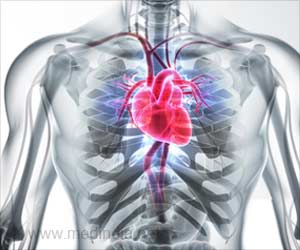
Middle-aged men and women with cardiovascular problems, like high cholesterol and hypertension, may not only be at risk for CHD but are also at an increased risk of dementia.
Middle-aged men and women with cardiovascular problems, like high cholesterol and hypertension, may not only be at risk for CHD but are also at an increased risk of dementia.
Most participants (88 percent) indicated they would take the medication if it had no adverse effects, providing an absolute benefit of six fewer persons with heart attack out of 100, approximating the average risk reduction of currently available medications. "As the absolute benefit offered by the medication increased, so did the proportion willing to take the medication," the authors note. "In contrast, large proportions (48 percent to 69 percent) were unwilling or uncertain about taking medication with average benefit causing mild fatigue, nausea, or fuzzy thinking, and only 3 percent would take medication with adverse effects severe enough to affect functioning."
"The central finding of this study was the large influence exerted by the presence of adverse effects on older persons' decisions about whether to take a medication," the authors write. "These results suggest that clinical guidelines and decisions about prescribing these medications to older persons need to place emphasis on both benefits and harms," they conclude.

Using Air Filters May Reduce Cardiovascular Disease Risk
Air filters may help lower the risk of cardiovascular disease caused by exposure to indoor air pollution, scientists have suggested.
Air filters may help lower the risk of cardiovascular disease caused by exposure to indoor air pollution, scientists have suggested.
Source-Eurekalert
New Targets for Neurological, Cardiovascular Diseases Identified
A new research has brought into light the links between signaling molecules, which have implications for potential future treatment of epilepsy, stroke and other problems.
A new research has brought into light the links between signaling molecules, which have implications for potential future treatment of epilepsy, stroke and other problems.

Couch Potatoes Run Risk Of Cardiovascular Disease
Couch potatoes run risk of cardiovascular disease, new international research confirms.
Couch potatoes run risk of cardiovascular disease, new international research confirms.