Anti-Aging Treatment with Vinotherapy or Wine Facials
Experience the bliss of vinotherapy - the power of grapes for a kissable skin.
Experience the bliss of vinotherapy - the power of grapes for a kissable skin.
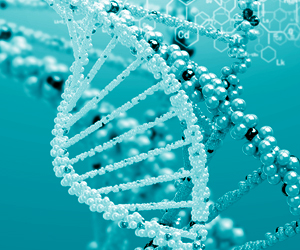
‘One of the 30 genes that have been identified - namely the bcat-1 gene - proved to be particularly influential in extending the mean lifespan of a nematode by up to 25%. The findings could influence how age-related diseases such as diabetes or high blood pressure could be prevented.’
Tweet it Now
Ristow has no doubt that the same mechanism occurs in humans. He said, "We looked only for the genes that are conserved in evolution and, therefore, exist in all organisms, including humans." The bcat-1 gene carries the code for the enzyme of the same name which degrades so-called branched-chain amino acids that naturally occurs in food protein building blocks.
When the researchers inhibited the gene activity of bcat-1, the branched-chain amino acids accumulated in the tissue, triggering a molecular signalling cascade that increased longevity in the nematodes. Moreover, the time span during which the worms remained healthy was extended.

Anti-aging Secrets to a Younger You-Wrinkles Creams-Super Foods-Simple Tips-FAQs
Is there anyone in this world who fails to be swayed by the magic of youth? None, for when youth explodes joyously all Nature smiles!
Is there anyone in this world who fails to be swayed by the magic of youth? None, for when youth explodes joyously all Nature smiles!
In order to detect these genes, the researchers combed through 40,000 genes in the nematode C. elegans, zebra fish and mice. The multiple branched-chain amino acids are already being used to treat liver damage and are also added to sport nutrition products.
Advertisement

Eat Right and Beat Those Wrinkles - Foods that Cause Aging
Bad eating habits will affect your health as well as your skin and make you look older than your biological age. Eat the right foods and stay younger than your age.
Bad eating habits will affect your health as well as your skin and make you look older than your biological age. Eat the right foods and stay younger than your age.
The study, published in the Nature Communication, will deliver important indicators on how the aging process could be influenced and how age-related diseases such as diabetes or high blood pressure could be prevented.
Advertisement

Successful Aging Linked to Harmful Drinking Among Over 50s
Harmful drinking may be a hidden health and social problem in successful older people. There must be explicit guidelines on alcohol consumption for this group.
Harmful drinking may be a hidden health and social problem in successful older people. There must be explicit guidelines on alcohol consumption for this group.