
In a related analysis, Bernd Jilma, MD, of the Medical University of Vienna, and his colleagues looked closely at how regulators have dealt with biosimilars. Biologic therapies are large, complex molecules generally made from human and/or animal materials. Like generic drugs that are cost-effective replacements for trade-name medications, biosimilars offer a less-expensive alternative to costly branded biologic therapies once patents expire; however, approval of biosimilars is much more complex than for generics. The European Medicines Agency (EMA), the leading regulator in Europe, approved the first biosimilar in 2006 (Omnitrope by Sandoz) and since then, the landscape of authorized biosimilars in Europe has widened considerably. Currently, there are 21 products for seven different biologics on the market.
"There are many papers published describing the regulation and guidelines of the biosimilar approval pathway in Europe; however, it was not clear how these regulations were put into practice," said Dr. Jilma. "Our work closes this gap by presenting the results of a systematic comparison of all clinical development programs of biosimilars that were approved by the EMA, therefore offering insights on the implementation of biosimilar regulations in practice."
When the investigators compared clinical trials undertaken to get market authorization for biosimilars, they found considerable variability between the clinical development programs that were submitted to the EMA for approval. "While some differences can be explained by the characteristics of the different reference products, even for biosimilars to the same reference product, the development strategies could not be considered comparable," said Dr. Jilma. For example, some companies conducted studies that focussed on the activity of biosimilars in the body whereas others put emphasis on phase III clinical trial results in patients with the target disease. "We concluded that the details of the development programs are negotiable with the EMA, and companies that produce biosimilars have some flexibility when deciding how best to show biosimilarity," said Dr. Jilma. The researchers also noted that detailed information about the EMA's approval process is publicly available so that clinicians and patients can examine information on different biosimilars' efficacy and safety.
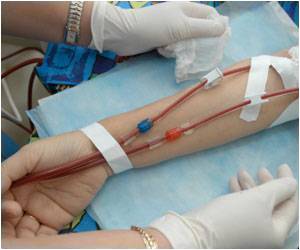
Regulatory Approval for Velano Vascular’s Needle-Free Blood Draw Device
The device is designed to reduce blood draw-related discomfort and anxiety for hospital inpatients
The device is designed to reduce blood draw-related discomfort and anxiety for hospital inpatients
Source-Eurekalert

US Food And Drug Administration Approves Lupin’s Calcium Acetate Capsules
Calcium Acetate Capsules are used to treat hyperphosphatemia in end stage renal failure. It is the generic version of Fresenius Medical Care North America's PhosLo Gelcaps.
Calcium Acetate Capsules are used to treat hyperphosphatemia in end stage renal failure. It is the generic version of Fresenius Medical Care North America's PhosLo Gelcaps.