
Drug-Resistant Tuberculosis - Types, Causes, Symptoms, Diagnosis, Treatment and Prevention
Drug-resistant tuberculosis (TB) is a globally serious infectious disease caused by the bacterium Mycobacterium tuberculosis. It occurs as multidrug-resistant or MDR TB or in its more severe form, extensively drug-resistant or XDR TB.
Drug-resistant tuberculosis (TB) is a globally serious infectious disease caused by the bacterium Mycobacterium tuberculosis. It occurs as multidrug-resistant or MDR TB or in its more severe form, extensively drug-resistant or XDR TB.
‘A targeted approach to treatment based on their findings could be applied even in resource-limited settings where the epidemic is spreading the fastest, since the risk stratification relies on clinical markers that are already available in TB programs.
’
Tweet it Now
The UCSF scientists said the reason the earlier trials failed was because they treated all patients the same, regardless of the severity of their disease. In the new analysis, when patients were retrospectively stratified into minimal, moderate and severe disease categories, the four-month drug regimens turned out to have been highly effective for the 47 percent of patients with minimal disease. But the four-month regimens were not effective for patients with moderate or severe disease. And even the standard six-month treatment was insufficient for those with the most extensive disease. "Our study shows a stratified medicine approach can be feasibly applied to achieve treatment shortening for many patients with TB," said Payam Nahid, MD, MPH, professor of medicine in the Division of Pulmonary and Critical Care at UCSF School of Medicine, and one of the first authors of the paper. "A one-size-fits-all approach leads to undertreatment of patients with severe forms of disease, and overtreatment, with the potential that the drugs will cause harm, for patients who have less extensive disease."
The study also challenges the assumption, built into both U.S. and international treatment guidelines, that TB patients can safely miss occasional doses of medication, as missing just one in 10 doses was found to have resulted in a fivefold greater risk of treatment failure.
Extra Pulmonary Tuberculosis - Symptoms, Signs, Causes, Risk factors, Treatment
Extra pulmonary tuberculosis is infection of tissues and organs other than the lungs by mycobacterium tuberculosis and related organisms.
Extra pulmonary tuberculosis is infection of tissues and organs other than the lungs by mycobacterium tuberculosis and related organisms.
TB has been treatable with antibiotics since the discovery of streptomycin in 1943, although the bacteria that causes the disease quickly developed resistance to the drug, which was used alone. New, highly effective rifampin-based combination regimens were developed in the 1970s and 80s, but resistance has arisen once again, a dangerous development given how common the disease has become. Alarmingly, TB now kills more people than any other infectious disease, surpassing HIV/AIDS in mortality.
Advertisement
Quiz on Tuberculosis
Tuberculosis is a major health care concern, especially in Africa and South East Asia. Brush up your information on tuberculosis by taking this quiz.
Tuberculosis is a major health care concern, especially in Africa and South East Asia. Brush up your information on tuberculosis by taking this quiz.
"You can imagine how profound the change would be for patients with drug-resistant TB if they didn't have to take toxic drugs any longer than necessary," Savic said. "The best strategy for improving TB therapy is to have shorter treatment durations."
Advertisement
How Kerala is Battling Against Tuberculosis and Winning
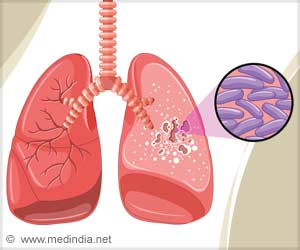
Kollam district tuberculosis (TB) Centre decided to test every residing inmate of agathi mandiram with the aim of decreasing and eliminating the number of TB cases.
Kollam district tuberculosis (TB) Centre decided to test every residing inmate of agathi mandiram with the aim of decreasing and eliminating the number of TB cases.