
Lung Cancer - Types, Causes, Symptoms, Diagnosis, Treatment and Prevention
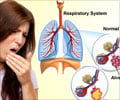
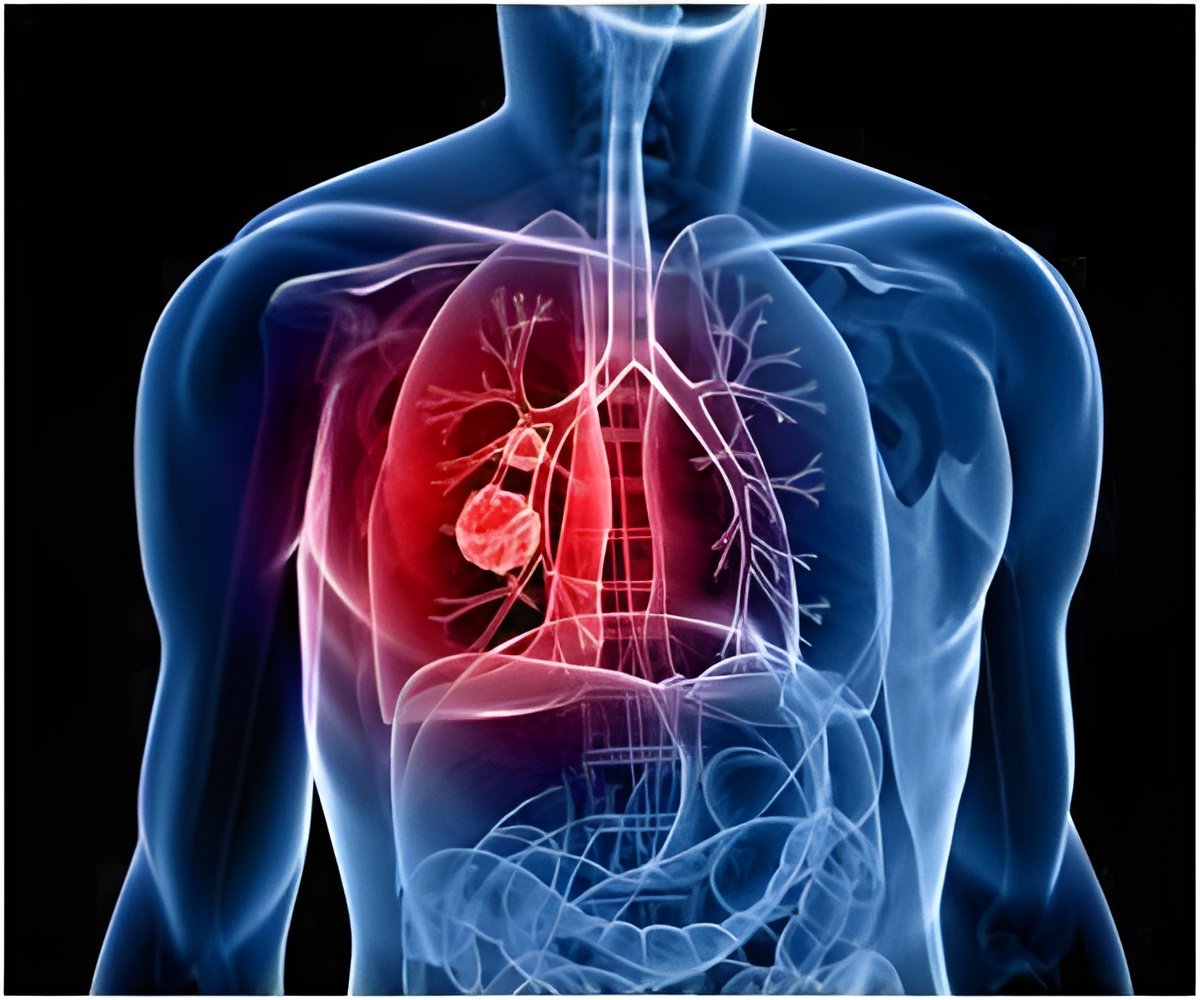
Lung cancer is a malignant tumor in the lung tissues. Smoking is the main cause of lung cancer with symptoms like recurrent respiratory diseases.
Lung cancer is a malignant tumor in the lung tissues. Smoking is the main cause of lung cancer with symptoms like recurrent respiratory diseases.
The Cancer Genome Atlas project combines efforts of the nation's leading genetic sequencing centers, including The Genome Institute at Washington University, to describe the genetics of common tumors with the goal of improving prevention, detection and treatment. The Cancer Genome Atlas is supported by the National Cancer Institute and the National Human Genome Research Institute, both parts of the National Institutes of Health (NIH).
The other lung cancer co-chairs are the study's senior author Matthew Meyerson, MD, PhD, of the Broad Institute of Massachusetts Institute of Technology and Harvard University, and Stephen Baylin, MD, of Johns Hopkins University.
Lung Biopsy - Indications - Procedures - Risks - FAQs - Reference
The procedure by which tissue samples are obtained from the lung is known as lung biopsy. The biopsy tissues obtained from the lungs are examined by a pathologist.
The procedure by which tissue samples are obtained from the lung is known as lung biopsy. The biopsy tissues obtained from the lungs are examined by a pathologist.
Interestingly, the researchers noted that lung squamous cell carcinoma shares many mutations with head and neck squamous cell carcinomas, supporting the emerging body of evidence that cancers may be more appropriately classified by their genetics rather than the primary organ they affect.
Advertisement
Lung Cancer Screening - FAQs
Lung cancer accounts for nearly 1.3 million deaths annually worldwide. Lung cancer screening can help in early detection of cancer and possible cure.
Lung cancer accounts for nearly 1.3 million deaths annually worldwide. Lung cancer screening can help in early detection of cancer and possible cure.
Current treatment for squamous cell lung cancers includes chemotherapy and radiation, but there are no drugs specifically designed to target this particular type of lung cancer. Squamous cell lung cancer is linked to smoking and responsible for 30 percent of all lung cancer cases.
Advertisement
Source-Eurekalert