Pneumonia - Causes, Symptoms, Diagnosis, Treatment, Prevention, Complications
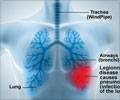
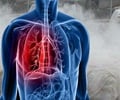
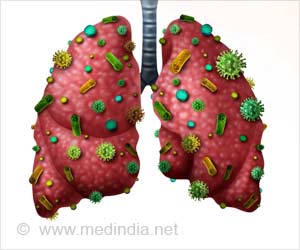
Pneumonia is a lung infection that can be caused by a bacteria or a virus. It causes inflammation of the alveoli or the air sacs of the lungs.
Pneumonia is a lung infection that can be caused by a bacteria or a virus. It causes inflammation of the alveoli or the air sacs of the lungs.
‘C-reactive protein (CRP) and procalcitonin, both of which have been associated with severe disease in adults, may be useful in identifying the most severe outcomes in children with community-acquired pneumonia.’
Tweet it Now
Dr. Florin and colleagues evaluated 477 children, ages 3 months to 18 years, who presented to the emergency department with signs and symptoms of lower respiratory tract infection. Researchers examined the predictive value of biomarkers in relation to complications of community-acquired pneumonia, as well as more common indicators of disease severity and requirements for hospitalization, such as use of intravenous fluids, supplemental oxygen, positive pressure ventilation and broadening of antibiotics. "In our study we looked at community-acquired pneumonia severity more broadly than most previous studies, focusing on both interventions and diagnoses that required hospitalization," says Dr. Florin.
"Although not associated with the full spectrum of disease severity, we found elevated CRP and procalcitonin levels in children with complicated pneumonia, empyema requiring chest drainage, positive-pressure ventilation, sepsis and receipt of vasoactive infusions. However, we saw only a small number of children with these severe outcomes, so cannot make definitive conclusions. More research is needed to validate our findings."
Quiz on Pneumonia
Pneumonia is a serious respiratory tract infection that is often life-threatening in the elderly, children or those with reduced immunity. See how much you know about pneumonia by taking this quiz.
Pneumonia is a serious respiratory tract infection that is often life-threatening in the elderly, children or those with reduced immunity. See how much you know about pneumonia by taking this quiz.
Arthritis Drug Tocilizumab Presents Promise for COVID-19 Pneumonia Treatment
Tocilizumab, the drug used to treat rheumatoid arthritis might also have therapeutic value for COVID-19 patients who have developed or at high risk of developing serious lung damage from SARS-CoV-2 infections.
Tocilizumab, the drug used to treat rheumatoid arthritis might also have therapeutic value for COVID-19 patients who have developed or at high risk of developing serious lung damage from SARS-CoV-2 infections.
Pneumonia in Elderly Linked to Mortality Risk
Many elderly patients fail to accurately assess their risk of pneumonia. Pneumonia is a common lung infection that can be life-threatening, especially in elderly people.
Many elderly patients fail to accurately assess their risk of pneumonia. Pneumonia is a common lung infection that can be life-threatening, especially in elderly people.