
Heart Attack - Overview
Heart attack is the death of the heart muscle due to loss of blood supply. Heart disease is the leading cause of death in the United States. Other names for heart attack include acute myocardial infarction, coronary thrombosis, and coronary occlusion.
Heart attack is the death of the heart muscle due to loss of blood supply. Heart disease is the leading cause of death in the United States. Other names for heart attack include acute myocardial infarction, coronary thrombosis, and coronary occlusion.
The results showed low long-term adherence rates for three major classes of heart medications: angiotensin-converting enzyme inhibitors/angiotensin-receptor blockers (ACEIs/ARBs), beta-blockers, and statin drugs. Over three years' follow-up, the patients had their prescribed drugs for only 50 to 60 percent of the time.
For ACEIs/ARBs and beta-blockers, medication adherence was significantly lower for patients who had lower levels of kidney function at the beginning of the study. Adherence to statin drugs was not significantly related to kidney function.
"Since poor medication adherence increases the risk of hospitalization and death, it is important to understand the scope of the problem," Winkelmayer explains. In a previous study in the same group of patients, the researchers found low medication adherence rates within the first 90 days after heart attack. "In the current study, we wanted to extend these findings to examine long-term outpatient medication adherence, particularly in patients with kidney dysfunction, who are at high risk for recurrent heart attacks but who have not been studied extensively to date." "Future strategies to improve medication adherence and clinical outcomes will need to pay special attention to this high-risk population."
Advertisement

What is a heart attack / How to prevent heart attacks
Heart attack is the death of the heart muscle due to loss of blood supply. Simple guidelines to avoid heart attack are listed.
Heart attack is the death of the heart muscle due to loss of blood supply. Simple guidelines to avoid heart attack are listed.

Animation of heart attack symptoms
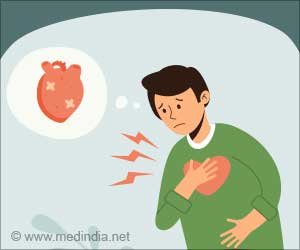
Heart attack can cause symptoms such as Chest pain or discomfort, Shortness of breath and pain in neck, back, arm, or shoulder and is due to blockage of blood supply to the heart muscles
Heart attack can cause symptoms such as Chest pain or discomfort, Shortness of breath and pain in neck, back, arm, or shoulder and is due to blockage of blood supply to the heart muscles