

A2b-type Adenosine Receptor Plays Vital Role in Obesity and Diabetes Regulation
American researchers have found that A2b-type adenosine receptor, A2bAR, is vital in regulation of high fat, high cholesterol diet-induced symptoms of type 2 diabetes.
American researchers have found that A2b-type adenosine receptor, A2bAR, is vital in regulation of high fat, high cholesterol diet-induced symptoms of type 2 diabetes.
"Health professionals probably shouldn't use terms like fat, chubby, overweight or obese," says Ball. "Terms that are more neutral, less judgmental and less stigmatizing should be used. Most of the time families will want that sensitive type of language. And that's what clinicians should want, too, because that's what families want."
Some parents felt blamed for their children's weight issues, while others found health professionals "rude and judgmental" or inattentive.
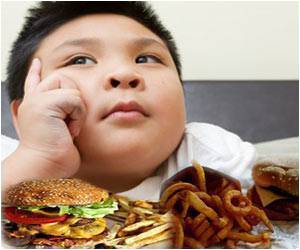
New Obesity Drug Increases Sensitivity to Leptin
A new study reveals the development of a new obesity drug that increases sensitivity to a hormone which regulates hunger.
A new study reveals the development of a new obesity drug that increases sensitivity to a hormone which regulates hunger.
Ultimately, if parents feel ostracized by physicians, the families are less likely to follow doctor recommendations, the study concluded.
Advertisement

Risk of Childhood Obesity is High in Babies who are exposed to High Magnetic Field Levels in the Womb
The risk of childhood obesity rises by more than 69 percent in babies who were exposed to relatively high magnetic field levels in the womb.
The risk of childhood obesity rises by more than 69 percent in babies who were exposed to relatively high magnetic field levels in the womb.
"If these changes are made it could lead to: families being more apt to follow the doctor's advice, families being more apt to return for follow-up appointments, better interactions between health-care professionals and families, and families being more satisfied with their care," says Ball. "You want to have a positive rapport with families so they stay engaged. Those are outcomes you would want."
Advertisement

Exposure to Microwave Ovens During Pregnancy Ups Babies' Risk of Obesity
Babies born to women who are exposed to relatively high magnetic levels during pregnancy are at increased risk of being obese or overweight during childhood.
Babies born to women who are exposed to relatively high magnetic levels during pregnancy are at increased risk of being obese or overweight during childhood.
Source-Eurekalert