
Eye Movements Aid in the Diagnosis of Neurological Disorder
A new low-cost method, which can detect neurological disorders by monitoring eye movements, has been developed by researchers.
A new low-cost method, which can detect neurological disorders by monitoring eye movements, has been developed by researchers.
"This gradual loss of ability for the internal eye lens to flex and focus is called loss of accommodation. And when all accommodation is lost it is called presbyopia," Dr Adams adds. "It happens to all of us--none are spared."
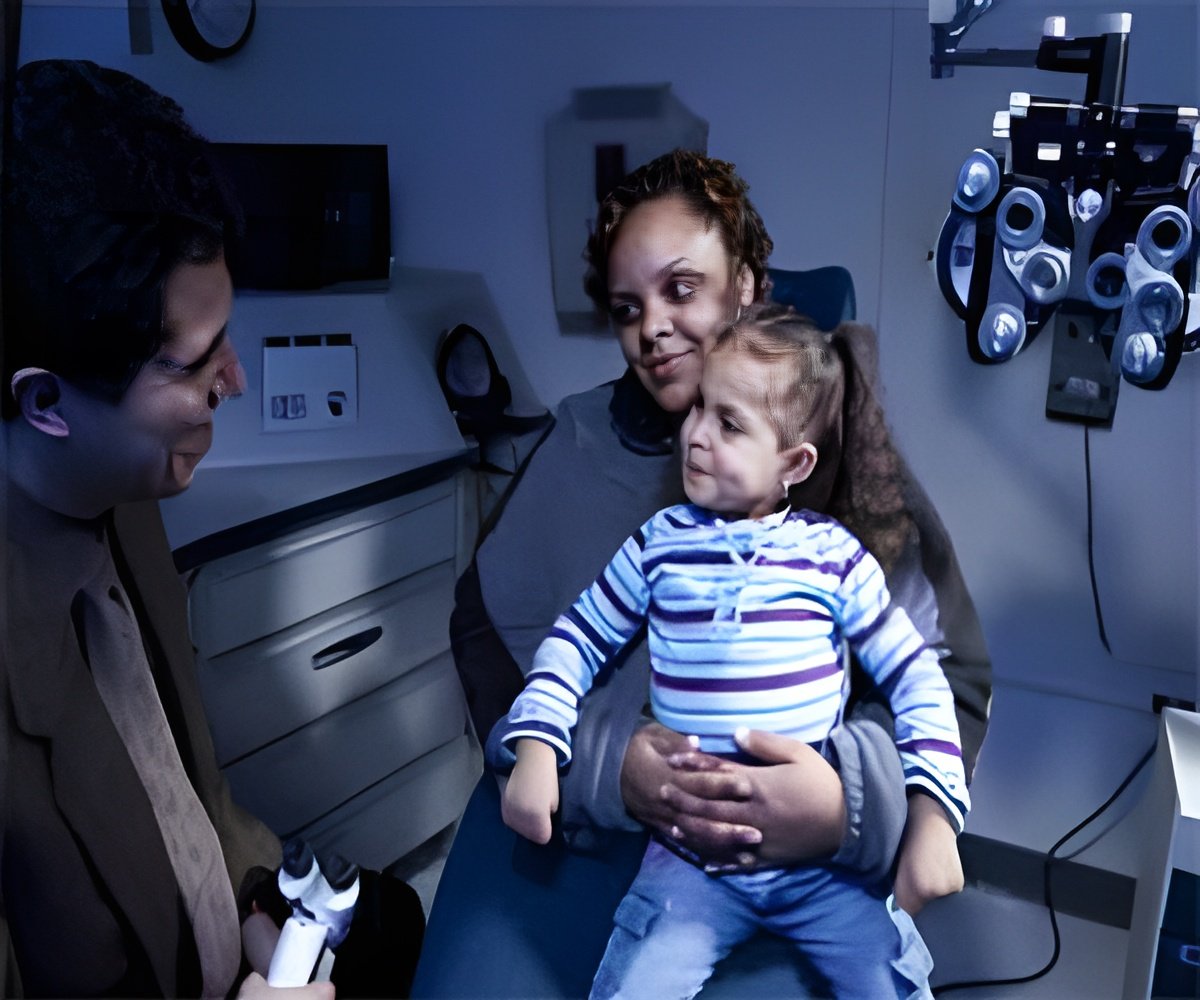
To track age-related changes in accommodation, Drs Anderson and Steubing performed two tests: a subjective test in which patients indicate the distance at which print becomes blurred and out of focus; and an objective test that bounces light into the eye and measures the reflected light focus while the patient is looking at close objects. These subjective and objective test results were compared to characterize changes in accommodative amplitude "from preschool to presbyopia."

Quiz on Eye Disorders
The gift of sight is very valuable; therefore it is necessary to take good care of our eyes. Here is a quiz to check out your knowledge regarding conditions affecting the eyes.
The gift of sight is very valuable; therefore it is necessary to take good care of our eyes. Here is a quiz to check out your knowledge regarding conditions affecting the eyes.
But the difference was largest in the youngest age group: age three to five years. For these preschool-aged children, the average objectively measured accommodative amplitude was about half of the subjectively assessed amplitude.
Advertisement
LASIK Surgery – Interesting Facts
LASIK is a combined microsurgical and excimer laser procedure for correcting refractive errors of the eyes. Refractive surgery procedures include corrections for nearsightedness, farsightedness, astigmatism and presbyopia. Here are some interesting facts on LASIK surgery.
LASIK is a combined microsurgical and excimer laser procedure for correcting refractive errors of the eyes. Refractive surgery procedures include corrections for nearsightedness, farsightedness, astigmatism and presbyopia. Here are some interesting facts on LASIK surgery.
The findings add to previous studies suggesting that subjective testing "substantially overestimates" accommodative ability in young children. Drs Anderson and Steubing note some important limitations of their study--including the fact that the difference from preschool age to school age may at least partly reflect an improvement in children's ability to perform the test (by stating when a letter "E" becomes "blurred or fuzzy").
Advertisement

Source-Eurekalert