Electroencephalogram (EEG): Diagnosis & Testing of Brain Disorders
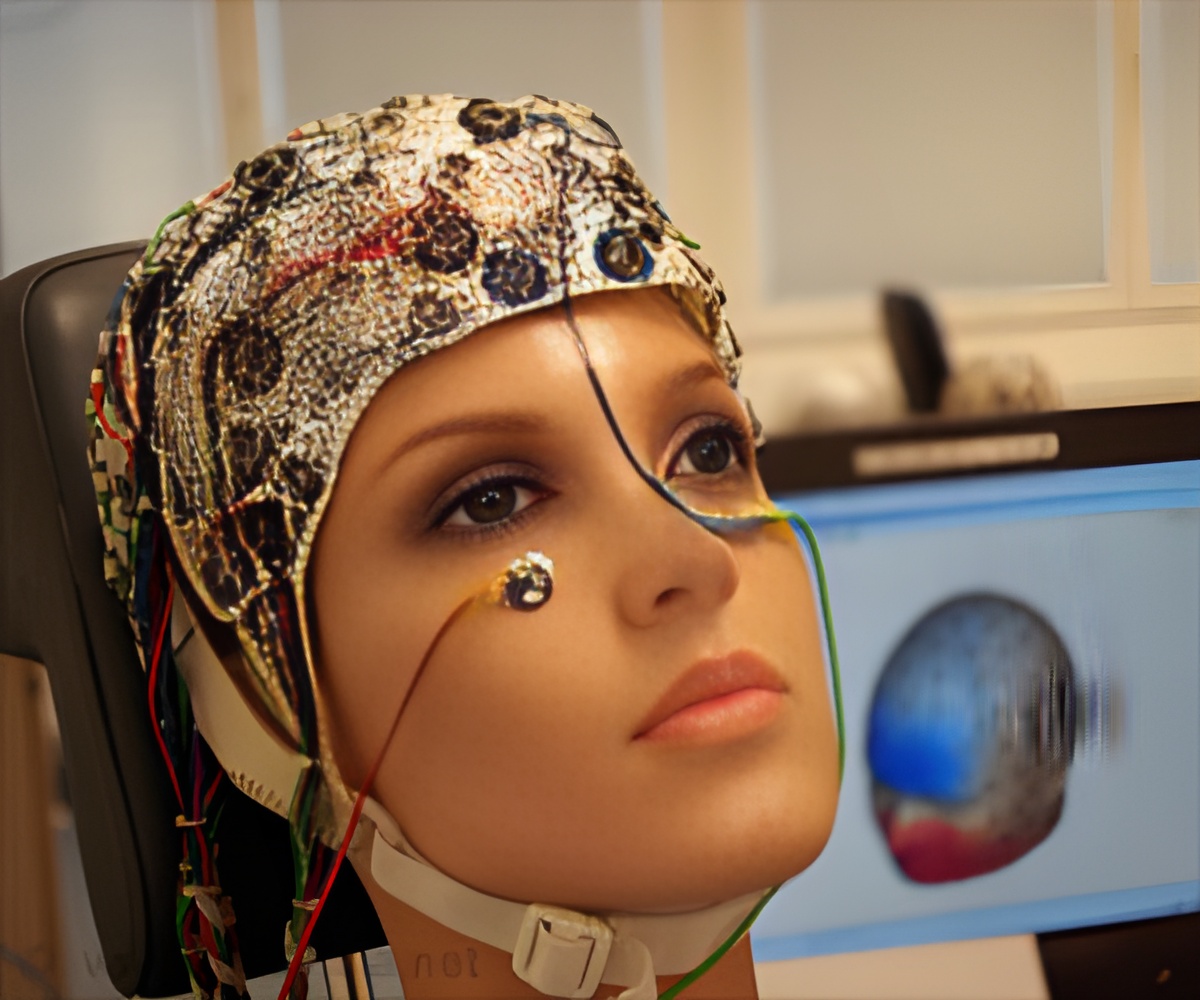
An electroencephalogram (EEG) detects electrical activity in the brain using electrodes attached to the scalp.
An electroencephalogram (EEG) detects electrical activity in the brain using electrodes attached to the scalp.
‘Opioids do not promote sleep. Quantitative studies done through electroencephalographic recordings of brain waves proved that opiates disrupt sleep.’
Read More..Tweet it Now
In the paper, the researchers describe the steps they took to create a multitapered spectrogram for electroencephalogram (EEG) analyses with an accessible and user-friendly code. They validated the program through analyses of EEG spectrograms of mice that had received different opioid treatments.Read More..
"There is a misconception that opioids promote sleep, but in quantitative studies of states of sleep and wakefulness using electroencephalographic recordings of brain waves, opiates are shown to disrupt sleep," Lydic said. "Additionally, drug addiction studies show that abnormal sleep is associated with increased likelihood of addiction relapse."
Source-Eurekalert