Green Areas in Cities can Promote Wellbeing
Green areas in the inner city can directly promote the wellbeing of urban citizens, reports a new study.
Green areas in the inner city can directly promote the wellbeing of urban citizens, reports a new study.
‘Relationship between park shape and mortality is essential to city designers and planners who seek to create healthier living environments.
’
Tweet it Now
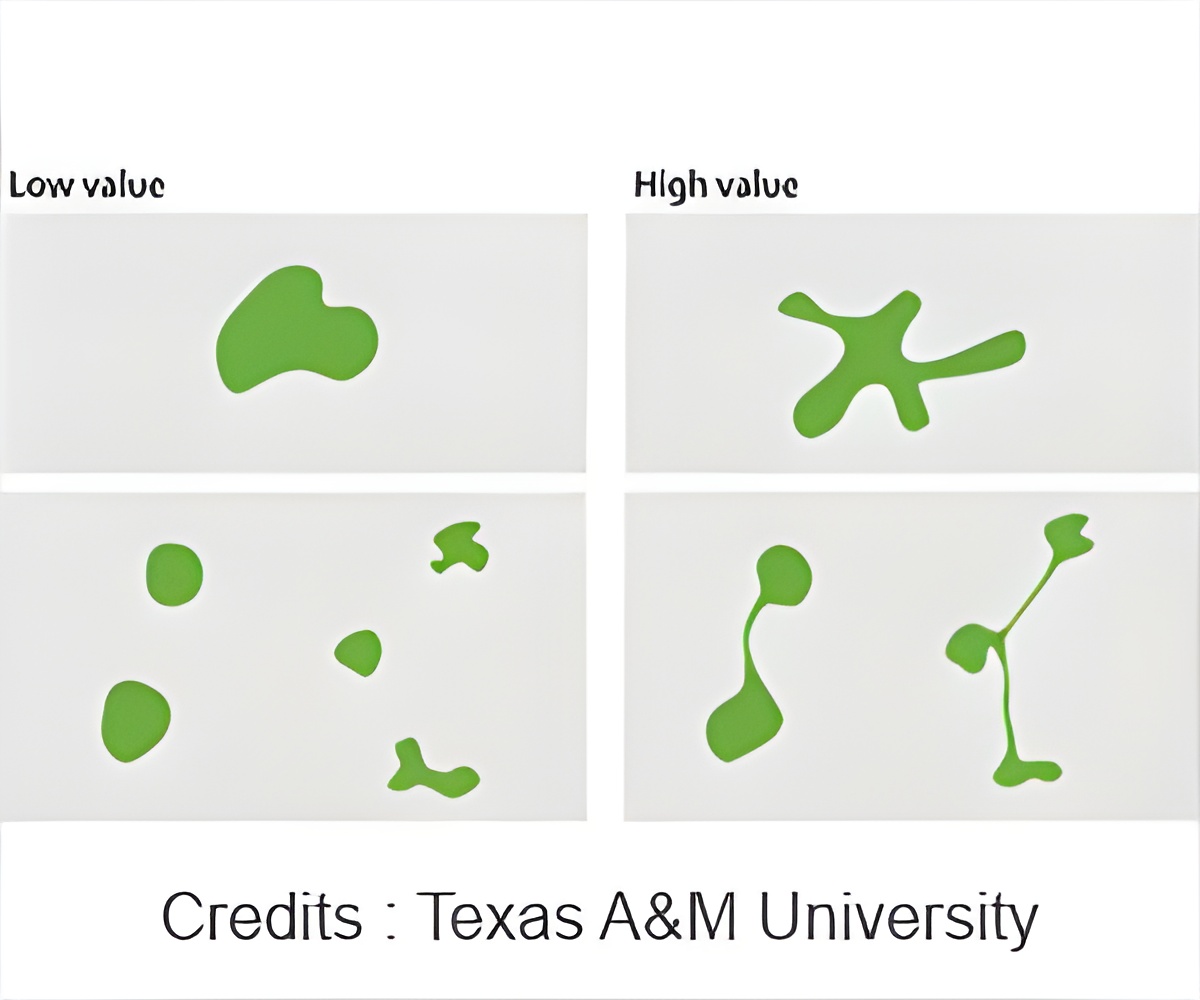
In the study, Wang and Tassinary performed statistical analyses of Philadelphia land cover data to assess links between landscape spatial metrics and health outcomes. They found that residents in census tracts with more connected, aggregated, and complex-shaped greenspaces had a lower mortality risk.
"Our results suggest that linking existing parks with greenways or adding new, connected parks might be fiscally accessible strategies for promoting health," said Wang and Tassinary.

In Cities, Big Green Spaces Give Mood Spikes as on Christmas
Big green spaces provide a boost in a mood similar to the spike on Christmas day. A visit to an urban park can be a solution for negative feelings.
Big green spaces provide a boost in a mood similar to the spike on Christmas day. A visit to an urban park can be a solution for negative feelings.
Irregularly shaped parks are either designed that way or shaped by the parcel they're established in, said Wang. Lower mortality risk wasn't associated with any particular form, but the data supports the idea that the more complex the park shape, the better, she said.
Advertisement

Green Spaces can Boost Your Health and Wellbeing
Go Green: Spending time in and around natural spaces (parks and forests) can boost your overall health and wellbeing. So, make sure to visit green spaces frequently to stay happy and healthy.
Go Green: Spending time in and around natural spaces (parks and forests) can boost your overall health and wellbeing. So, make sure to visit green spaces frequently to stay happy and healthy.
Source-Eurekalert

Closer You Are to Green Space, Better is Your Mental Health
Closer you are to urban green space, greater is your happiness, sense of worth, and life satisfaction. Individuals feel positive emotions when exposed to natural environments.
Closer you are to urban green space, greater is your happiness, sense of worth, and life satisfaction. Individuals feel positive emotions when exposed to natural environments.