Malaria - Causes, Symptoms, Diagnosis, Prevention, Treatment
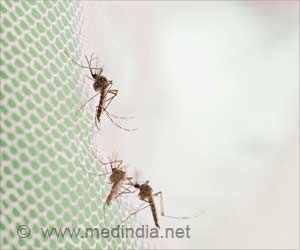
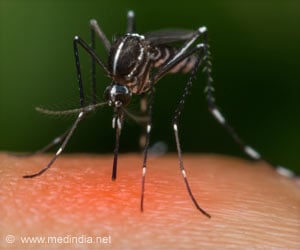
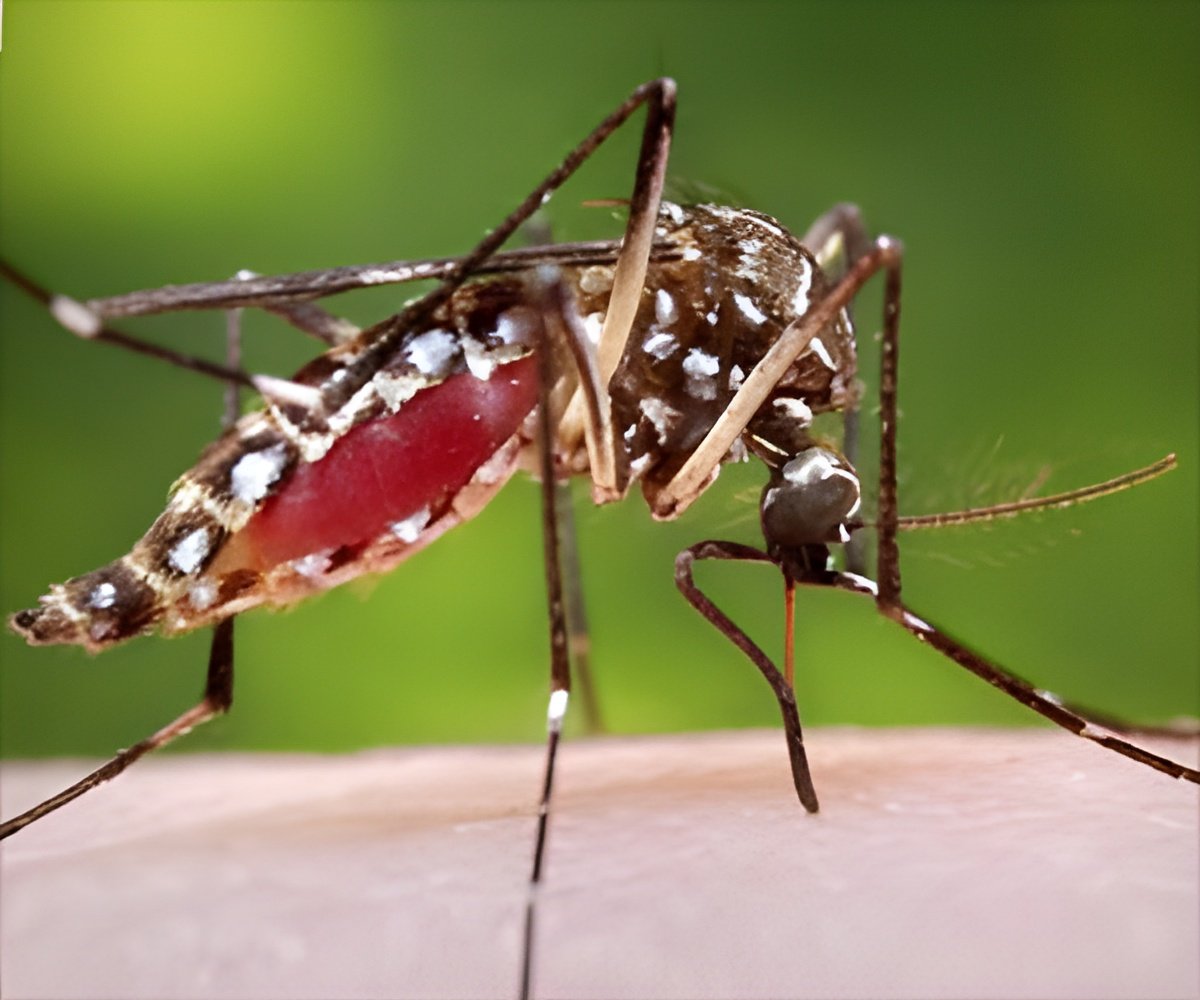
Malaria is caused by a parasite that enters blood through the bite of an infected mosquito. It is characterized by fever, vomiting, shivering, sweating and other symptoms.
Malaria is caused by a parasite that enters blood through the bite of an infected mosquito. It is characterized by fever, vomiting, shivering, sweating and other symptoms.
‘Children with higher levels of antibodies to a specific short amino acid sequence in the malaria parasite (Plasmodium falciparum) have much lower risk of clinical and severe malaria.’
Tweet it Now
This work shows that people who lack immunity to the malaria parasite are more likely to experience malaria symptoms. These people could be identified by their relative lack of antibodies to this antigen, said corresponding author Alyssa Barry, BSc (Hons), Ph.D., Associate Professor, and a group leader within the Population Health and Immunity Division, Walter and Eliza Hall Institute of Medical Research, Melbourne, Australia.That amino acid sequence, known among scientists as the ICAM1 binding motif, is critical to the virulence of the malaria parasite because it can bind to the tiniest blood vessels in the brain, known as the microvasculature. There the parasite remains hidden from the host's immune system, causing a severe case of cerebral malaria by blocking the blood vessels and causing inflammation. The ICAM1-binding motif can vary slightly in sequence and still bind tightly, and it is a strong candidate for a vaccine target.
In the study, the investigators measured antibody responses to the ICAM1-binding motif. The subjects of this study were 187 children ages 1-3, from Papua New Guinea. Once the measurements were taken, the investigators followed the children for 16 months to determine the incidence of malaria over time.

Malaria - Protection Strategies
Malaria is a dangerous disease with lethal consequences that requires protective measures for prevention and control of malaria in endemic regions of the world.
Malaria is a dangerous disease with lethal consequences that requires protective measures for prevention and control of malaria in endemic regions of the world.
Globally, more than 200 million cases of malaria occur annually, and the disease kills an estimated 400,000 annually, according to the report. Children are hardest hit.
Advertisement
New Blood Test to Measure Antibodies Against Malaria Developed
A promising new tool to measure antibodies against malaria using a small amount of blood has been developed by researchers at the Barcelona Institute for Global Health (ISGLOBAL). The test assesses natural and vaccine-induced responses to malaria and other parasites.
A promising new tool to measure antibodies against malaria using a small amount of blood has been developed by researchers at the Barcelona Institute for Global Health (ISGLOBAL). The test assesses natural and vaccine-induced responses to malaria and other parasites.
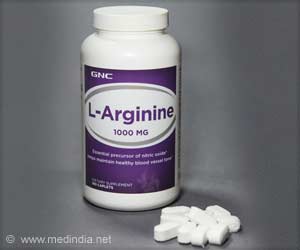
Amino Acid Helps Prevent Low-birth Weight Caused by Malaria
Low-birth weight caused by malaria during pregnancy can be avoided by L-Arginine supplementation. L-arginine is an amino acid that improves blood flow and circulation and that humans get from their diet, including eggs, meat and dairy.
Low-birth weight caused by malaria during pregnancy can be avoided by L-Arginine supplementation. L-arginine is an amino acid that improves blood flow and circulation and that humans get from their diet, including eggs, meat and dairy.