Malaria - Causes, Symptoms, Diagnosis, Prevention, Treatment
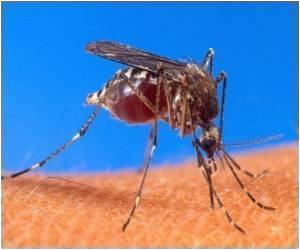
Malaria is caused by a parasite that enters blood through the bite of an infected mosquito. It is characterized by fever, vomiting, shivering, sweating and other symptoms.
Malaria is caused by a parasite that enters blood through the bite of an infected mosquito. It is characterized by fever, vomiting, shivering, sweating and other symptoms.
The presence of this complex activates a molecular response that disables the parasite.Altman's lab has already shown this compound can kill dangerous strains of bacteria and is currently investigating its efficacy in combating infections in skin wounds. The current paper illustrates the compound's effectiveness in red blood cell tissue culture. Altman stressed that more tests must be conducted to make sure the compound works in animals and people as well."It will be some time before this is commercially available," Altman said.
Source-Eurekalert
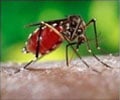
About Mosquito Diseases
Mosquito-borne diseases, like malaria, filaria, dengue, etc are common in places conducive of mosquito breeding. Swamps, ponds and stagnated drainage provide optimal breeding ground for mosquitoes.
Mosquito-borne diseases, like malaria, filaria, dengue, etc are common in places conducive of mosquito breeding. Swamps, ponds and stagnated drainage provide optimal breeding ground for mosquitoes.

Pyrimethamine- Sulfadoxine
This medication is an antimalarial agent, prescribed for treatment of falciparum malaria, resistant to chloroquine. It blocks the formation of folinic acid within the malaria organism, which kills the parasite.
This medication is an antimalarial agent, prescribed for treatment of falciparum malaria, resistant to chloroquine. It blocks the formation of folinic acid within the malaria organism, which kills the parasite.

Malaria Prevention Rescues Children
Malaria is still a major disease universally, however while funding projects are working hard to progress malaria prevention it is complicated to measure how effectiveness of these interventions.
Malaria is still a major disease universally, however while funding projects are working hard to progress malaria prevention it is complicated to measure how effectiveness of these interventions.