
Type 1 Diabetes - Treatment and Management
An overview of type 1 diabetes, its contributing factors, management and adopting a healthy lifestyle to cope with it.
An overview of type 1 diabetes, its contributing factors, management and adopting a healthy lifestyle to cope with it.
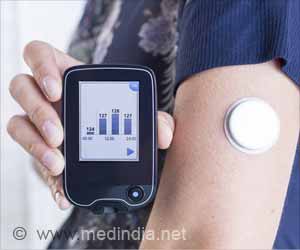
‘The artificial pancreas, known as closed-loop control, is an "all-in-one" diabetes management system that can help track blood glucose levels using a continuous glucose monitor (CGM) and automatically produce the insulin hormone when needed, using an insulin pump.’
Read More..Tweet it Now
The artificial pancreas replaces reliance on testing by fingerstick or CGM with separate delivery of insulin by multiple daily injections or a pump. Read More..
The International Diabetes Closed-Loop (iDCL) Study involves five separate artificial pancreas clinical protocols implemented by ten research centers, including the Icahn School of Medicine at Mount Sinai. This six-month study was the third phase in the series of trials. It was conducted with participants living their usual day-to-day lives, so the researchers could best understand how the system works in typical daily routines.
"This trial has been an important step forward in care for people with type 1 diabetes," said Carol Levy, MD, CDE, Clinical Director of the Mount Sinai Diabetes Center and the lead investigator at the Icahn School of Medicine at Mount Sinai.

Artificial Pancreas �Safe� for Treating Type 1 Diabetes
An artificial pancreas device systems is a smartphone-sized device that helps measure blood sugar levels and is found to be a safe and effective treatment approach for people with type 1 diabetes.
An artificial pancreas device systems is a smartphone-sized device that helps measure blood sugar levels and is found to be a safe and effective treatment approach for people with type 1 diabetes.
The researchers found that users of the artificial pancreas system significantly increased the amount of time in which their blood glucose levels remained within the target range of 70 to 180 mg/dL by an average of 2.6 hours per day, while the time in range in the SAP group remained unchanged over six months. Artificial pancreas users also showed improvements in time spent with high and low blood glucose, hemoglobin A1c, and other measurements related to diabetes control compared to the SAP group.
Advertisement

Young Adults with Type 1 Diabetes Have Poor Muscle Health
The structural and functional changes in the mitochondria of people with T1 diabetes is the one causing the muscle not to use glucose properly and also damaging the muscle cells.
The structural and functional changes in the mitochondria of people with T1 diabetes is the one causing the muscle not to use glucose properly and also damaging the muscle cells.
"This system has some unique features to help patients achieve target glucose levels while reducing the risk of hypoglycemia. It has been an exciting study both for patients and the research team," said Dr. Levy.
Advertisement
Type 1 Diabetes Patients Report Improved Quality of Life After Islet Transplantation
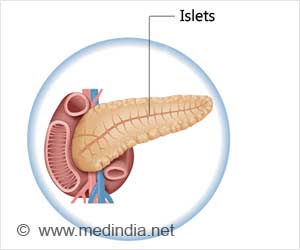
Transplanting pancreatic islets that make insulin in type1 diabetes patients reduces the episodes of low blood glucose levels leading to a better quality of life.
Transplanting pancreatic islets that make insulin in type1 diabetes patients reduces the episodes of low blood glucose levels leading to a better quality of life.
Source-Eurekalert