Lung Cancer Screening - FAQs
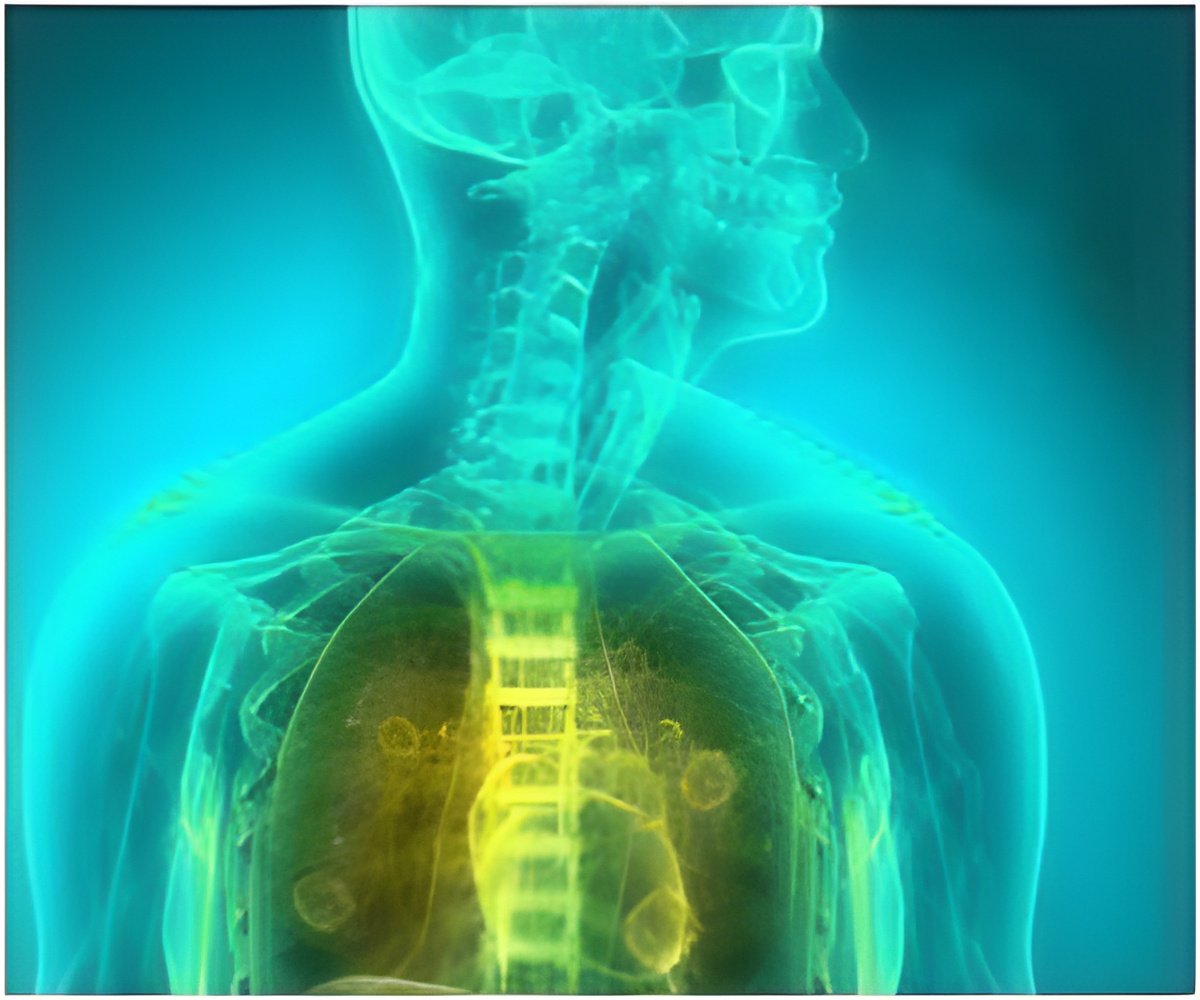
Lung cancer accounts for nearly 1.3 million deaths annually worldwide. Lung cancer screening can help in early detection of cancer and possible cure.
Lung cancer accounts for nearly 1.3 million deaths annually worldwide. Lung cancer screening can help in early detection of cancer and possible cure.
Crizotinib showed early activity against MET-dependent cells in preclinical laboratory studies, and the phase I clinical trial design included plans for treatment of cancer patients preselected for evidence of MET activation once the recommended dose was determined.
Matching the drug to MET amplifications required testing for this genetic abnormality in patient tumors, something that hasn't been part of standard lung cancer screening in most clinical centers. Working at the CU Cancer Center, Marileila Garcia, PhD, was able to rapidly deploy an assay for MET for the trial based on fluorescent in situ hybridization (FISH).

Lung Cancer - Types, Causes, Symptoms, Diagnosis, Treatment and Prevention
Lung cancer is a malignant tumor in the lung tissues. Smoking is the main cause of lung cancer with symptoms like recurrent respiratory diseases.
Lung cancer is a malignant tumor in the lung tissues. Smoking is the main cause of lung cancer with symptoms like recurrent respiratory diseases.
In the phase 1 clinical trial, while disease in the 2 patients with low MET amplification did not appear to benefit from the drug, 1 of 6 patients with intermediate MET amplification achieved a partial response with 4 of the 6 having more minor responses (stable disease), and in the high MET amplified group 1 of 6 achieved a complete response, 3 of 6 achieved a partial response and 1 of the 6 had a minor response (stable disease). Overall objective response rates in the low, intermediate and high MET amplified cohorts were 0, 17 and 67%, respectively.
Advertisement
Lung Biopsy - Indications - Procedures - Risks - FAQs - Reference
The procedure by which tissue samples are obtained from the lung is known as lung biopsy. The biopsy tissues obtained from the lungs are examined by a pathologist.
The procedure by which tissue samples are obtained from the lung is known as lung biopsy. The biopsy tissues obtained from the lungs are examined by a pathologist.
The implications of crizotinib used to target MET amplifications may go beyond non-small cell lung cancer. The gene is activated in many different ways in many different cancers, and patients with MET-amplified cancers continue to enroll in the crizotinib phase I study.
Advertisement
Source-Eurekalert