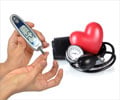
COVID-19 can cause diabetes, by interfering with the insulin signaling pathway that regulates energy metabolism and cell survival.
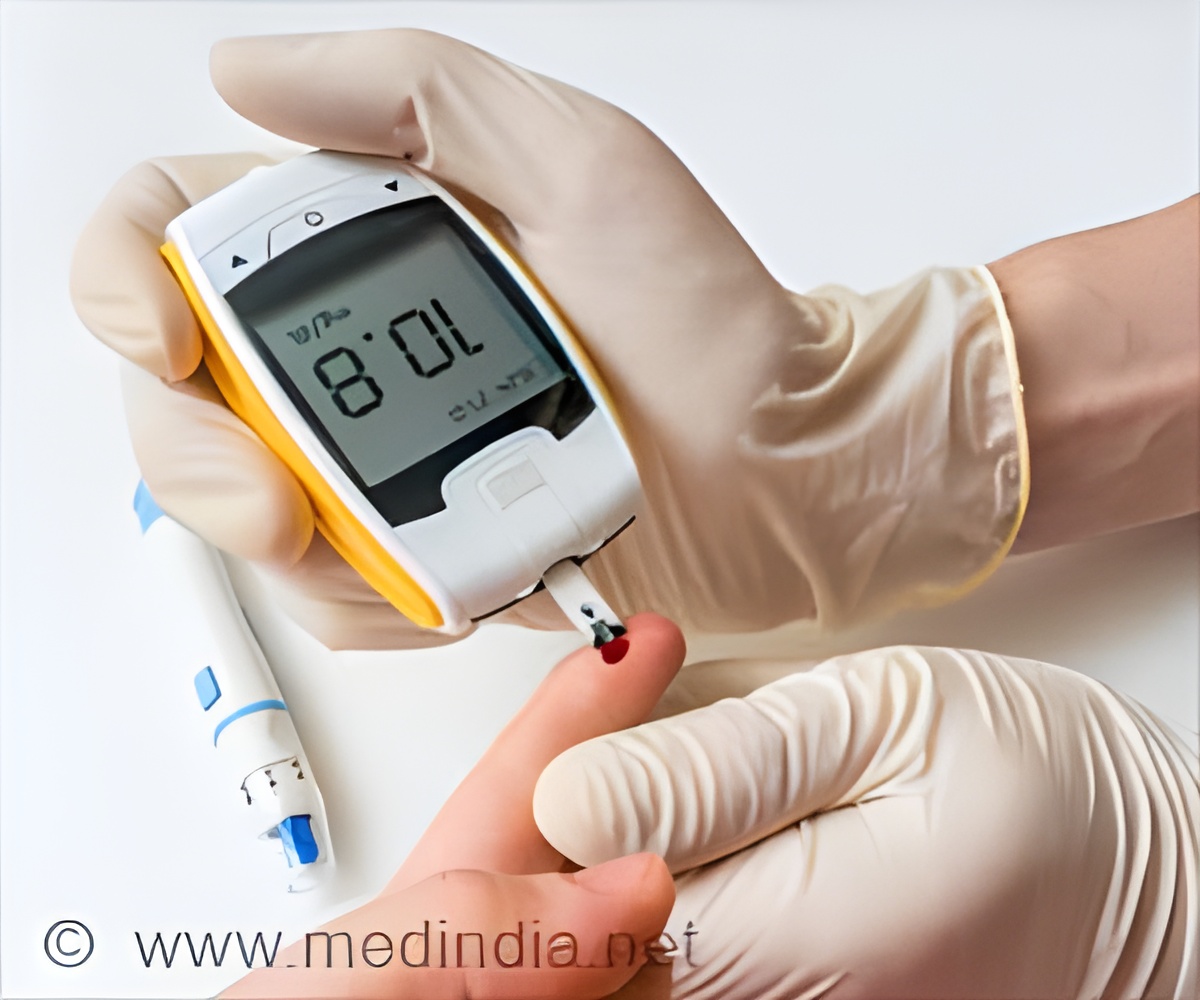
COVID-19 May Trigger Diabetes Onset
COVID-19 is best known for causing respiratory disease, but can also damage other organ systems; notably, disruption of blood sugar regulation can lead to new-onset diabetes. However, it is unclear how infection with the virus results in these effects.
COVID-19: Diet Plan and Lifestyle Modifications for the Unlock Phase
Healthy eating habits and adherence to physical activity are required during COVID-19 lockdown. WHO has prepared a set of general tips that you could follow during the lockdown to stay fit and healthy.
Healthy eating habits and adherence to physical activity are required during COVID-19 lockdown. WHO has prepared a set of general tips that you could follow during the lockdown to stay fit and healthy.
‘COVID-19 infection activates the IRF1 gene and impairs insulin/IGF signaling in the lung, liver, adipose tissue, and pancreatic cells.’





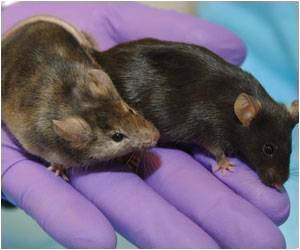
The insulin/IGF signaling pathway is a key pathway in the regulation of energy metabolism and cell survival and researchers suspected that COVID-19 affects this signaling pathway to cause problems with blood sugar regulation. To test this, they analyzed datasets of gene expression from patients, as well as in vivo and in vitro models, infected with COVID-19. They specifically looked for genes that were noticeably over-or under-expressed compared with uninfected patients, animals, or cells.
Infection with COVID-19 affected the expression of insulin/IGF signaling pathway components in the lung, liver, adipose tissue, and pancreatic cells. Moreover, these changes were attributed in part to the activation of interferon regulatory factor 1 (IRF1).

Wearing Mask in an Unmasked Crowd Can Still Protect You from COVID-19
Are you tired of wearing a face mask? You should still wear a mask that protects you and others from COVID-19 infection and to prevent virus transmission.
Are you tired of wearing a face mask? You should still wear a mask that protects you and others from COVID-19 infection and to prevent virus transmission.
How To Treat COVID-19 Induced Diabetes?
In addition, critical patients with COVID-19 had higher IRF1 expression and lower insulin/IGF signaling pathway genes in their blood compared with non-critical patients. Finally, treating COVID-19 infected cells or an animal model with hormonal factors that decreased IRF1 expression enhanced insulin/IGF signaling.These findings suggest that SARS-CoV-2 infection impairs insulin/IGF signaling by increasing IRF1 expression, thereby disrupting blood sugar metabolism.
Advertisement
Vegan Diets Benefit Overweight and Diabetes Adults: Here's How
Vegan diets aid in weight loss and lower blood sugar levels in adults with overweight or type 2 diabetes. It is also called as an obesity diet.
Vegan diets aid in weight loss and lower blood sugar levels in adults with overweight or type 2 diabetes. It is also called as an obesity diet.
Given the devastating impact that COVID-19 can have on multiple organ systems, treatment strategies that could decrease the effect of the disease on blood sugar metabolism, could be vitally important.
Advertisement
Diabetes Diet Plan
Diet plays a significant role in controlling diabetes. Most cases of diabetes are preventable with healthy lifestyle changes.
Diet plays a significant role in controlling diabetes. Most cases of diabetes are preventable with healthy lifestyle changes.
Source-Medindia