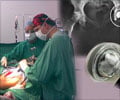
Hip Replacement Surgery-Physiotherapy-Exercises-Ergonomic-Do's-and-Don'ts
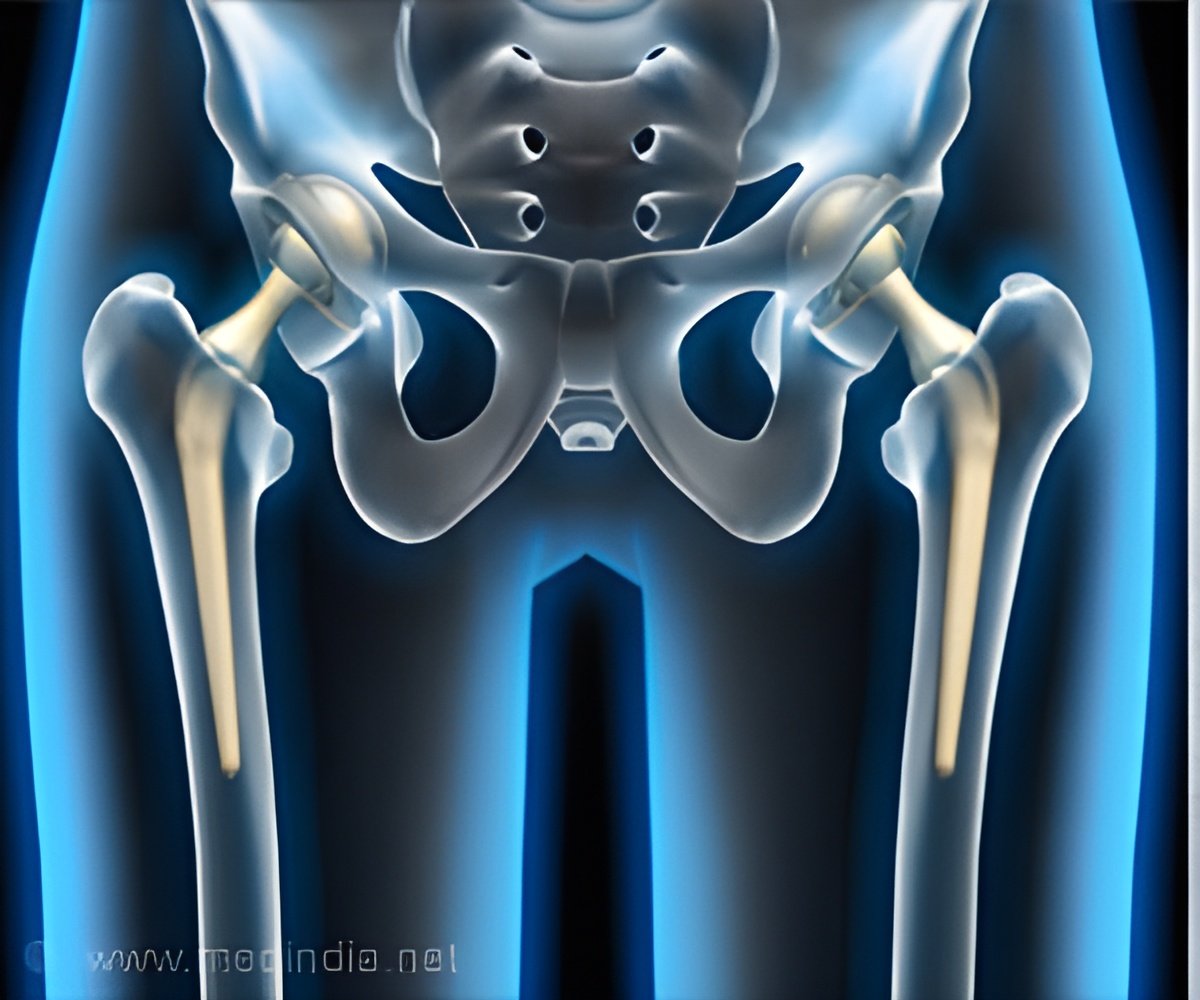
Hip joint replacement has been instrumental in transforming the lives of many who had been disabled owing to severe pain in the hip joint.
Hip joint replacement has been instrumental in transforming the lives of many who had been disabled owing to severe pain in the hip joint.
‘Dual-mobility hip components provide an extra bearing surface, improving the range of movement and minimizing the risk of dislocation in patients who need revision surgery.’
Read More..Tweet it Now
As with all surgical procedures, the possibility of a complication exists, and dislocation is the most common problem. The risk of dislocation is higher in patients who have had a second hip replacement, known as revision surgery. Some people need revision surgery many years after their first hip replacement when the original implant wears out. Hip instability after joint replacement is another reason a patient might need a revision surgery.Read More..
Research conducted by Dr. Geoffrey Westrich and colleagues at Hospital for Special Surgery and other joint replacement centers indicates that a newer type of artificial hip known as a "modular dual mobility" implant could be a good option for patients who need revision surgery.
"Although the concept of dual mobility was originally developed in France in the 1970s, the technology is relatively new in the United States," says Dr. Westrich, director of research of the Adult Reconstruction and Joint Replacement Service at HSS. "Our study found that the newer technology with modular dual mobility components offered increased stability, lowering the risk of dislocation, without compromising hip range of motion in patients having revision surgery."
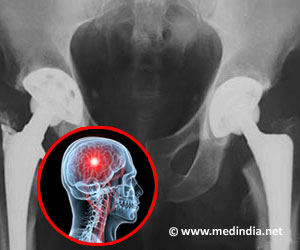
Risk of Stroke Rises Following Total Hip Replacement Surgery
A recent study indicates that total hip replacement surgery increases the risk of stroke, which is caused when the blood flow to the brain is stopped, within two weeks of surgery.
A recent study indicates that total hip replacement surgery increases the risk of stroke, which is caused when the blood flow to the brain is stopped, within two weeks of surgery.
Modular dual mobility implants provide an additional bearing surface compared to a traditional implant. With the dual mobility hip, a large polyethylene plastic head fits inside a polished metal hip socket component, and an additional smaller metal or ceramic head is snap-fit within the polyethylene head.
Advertisement
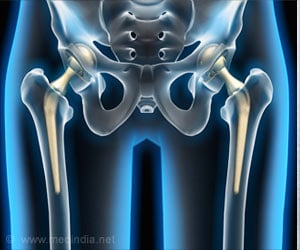
Early Signs of Bone Loss After Hip Replacement Surgery Identified
Biomarkers or early indicators of bone loss (osteolysis) which may cause the joint to loosen after hip replacement surgery have been identified. This could help guide post-replacement care to prevent replacements from failing.
Biomarkers or early indicators of bone loss (osteolysis) which may cause the joint to loosen after hip replacement surgery have been identified. This could help guide post-replacement care to prevent replacements from failing.
The study included 370 patients who underwent revision hip replacement with the dual mobility implant between April 2011 and April 2017. The average patient age at the time of surgery was 65.8 years. Clinical, radiographic and patient reported-outcome information was collected.
Advertisement
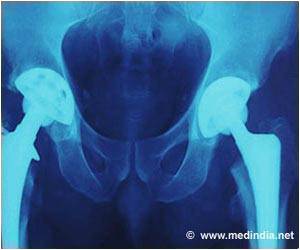
Infection Risk Following Hip Replacement Surgery Studied
Patients undergoing hip replacement may be at lower risk of infection with better optimization before surgery and certain types of operation.
Patients undergoing hip replacement may be at lower risk of infection with better optimization before surgery and certain types of operation.
Source-Eurekalert