
Brain Exercises to Improve Memory
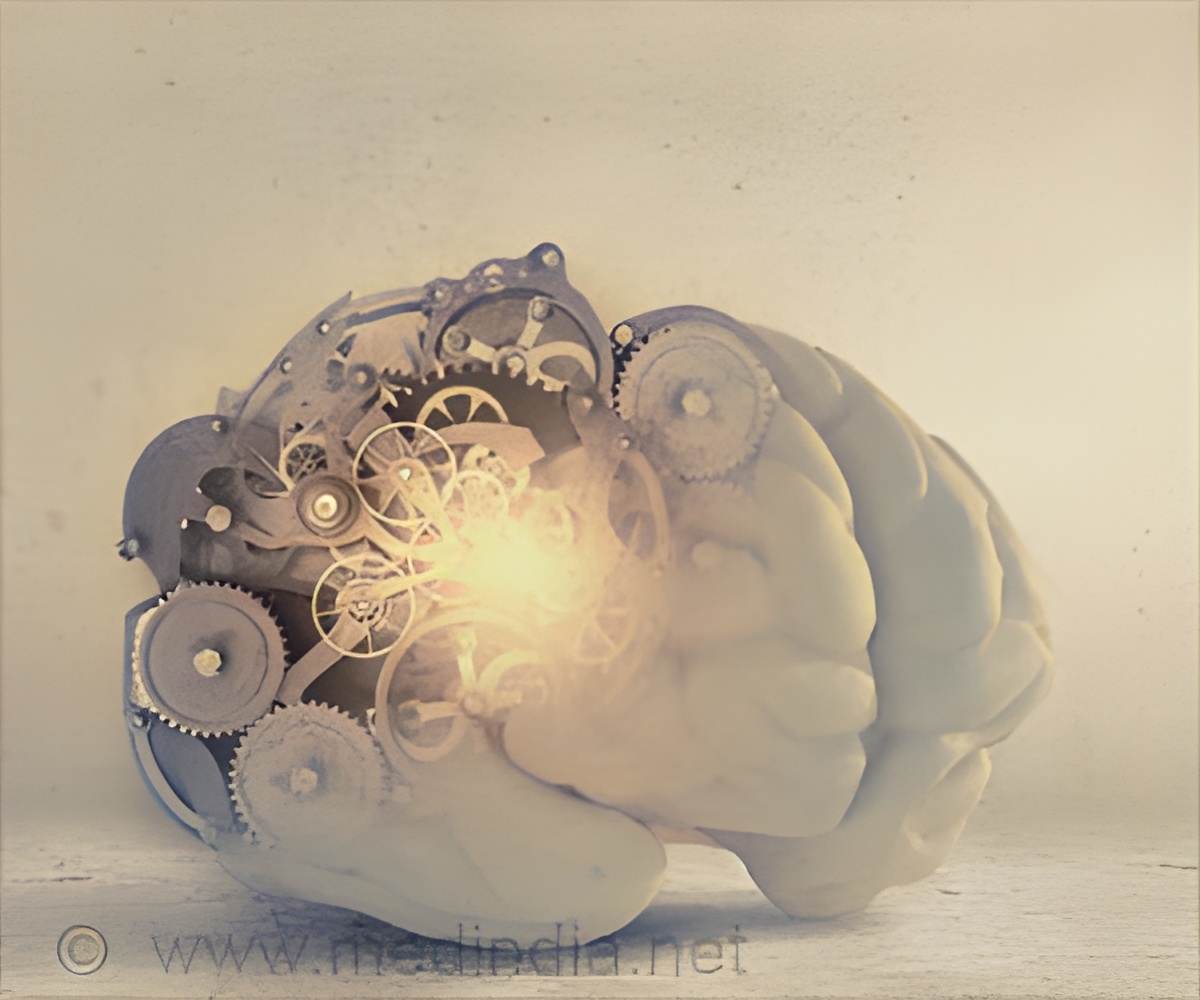
An active brain can certainly help in improving memory by strengthening the connections between neural impulses in brain.
An active brain can certainly help in improving memory by strengthening the connections between neural impulses in brain.
‘Distinctive neural patterns in the brain which are triggered when remembering specific memories while awake, reappear during subsequent sleep.’
Tweet it Now
The findings provide further evidence of the beneficial effects of sleep on memory formation.
Gaining a more sophisticated understanding of these mechanisms also enhances our understanding of how memories are formed. This could ultimately help scientists unravel the foundations of memory disorders such as Alzheimer's and lead to the development of memory boosting interventions.
Working in partnership with researchers at the Donders Institute, in Holland, the team used a technique called Targeted Memory Reactivation, which is known to enhance memory. In the experiment, previously learned information - in this case foreign vocabulary - is played back to a person while asleep.
Using electroencephalography, the brain signals of the study participants were recorded while learning and remembering the foreign vocabulary before sleep.

Epworth Sleepiness Scale
Measure your daytime sleepiness using this simple interactive tool, based on Epworth Sleepiness disorder Scale. Excessive Daytime Sleepiness is a type of hypersomnia characterized by persistent sleepiness and lack of energy.
Measure your daytime sleepiness using this simple interactive tool, based on Epworth Sleepiness disorder Scale. Excessive Daytime Sleepiness is a type of hypersomnia characterized by persistent sleepiness and lack of energy.
Comparing neural signals fired by the brain in each state, the researchers were able to show clear similarities in brain activity.
Advertisement

Quiz on Memory Loss
Whether it is a short term memory loss just as Dory in 'Finding Nemo' had or a more permanent one because of neurodegenerative diseases, it can adversely affect one's quality of life. Take this quiz to know more about interesting facts on memory loss / amnesia.
“Without memory, there is no culture. Without memory, there would be no civilization, no society, no future.” - Elie Wiesel
Whether it is a short term memory loss just as Dory in 'Finding Nemo' had or a more permanent one because of neurodegenerative diseases, it can adversely affect one's quality of life. Take this quiz to know more about interesting facts on memory loss / amnesia.
"If we can better understand how memory really works, this could lead to new approaches for the treatment of memory disorders, such as Alzheimer's disease."
Advertisement

Foods Inducing Sound Sleep
Insomnia has become a serious health problem and people tend to depend on quick yet risky solutions to get rid of it. But here is the list of nature's best sleep inducing foods right in our kitchen.
Insomnia has become a serious health problem and people tend to depend on quick yet risky solutions to get rid of it. But here is the list of nature's best sleep inducing foods right in our kitchen.
The team are planning a follow-on study, devising ways to investigate spontaneous memory activation during sleep. Using advanced machine learning techniques, the researchers can record and interpret neural patterns in the brain, identifying where memories are activated without the need for an external prompt.
Source-Eurekalert