
Breast Cancer Screening using Mammogram
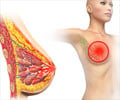
Breast cancer if detected early can be completely cured. Mammography is used to screen women for breast cancer.
Breast cancer if detected early can be completely cured. Mammography is used to screen women for breast cancer.
But they are less certain about things like secondhand smoke, breathing in auto exhaust or exposure to chemicals such as benzene, found in crude oil and pesticides, and bisphenol A (BPA) which is used in plastics and sealants.
"Multiple well-designed studies consistently have failed to show increased breast cancer risk for two environmental exposures -- personal use of hair dyes and non-ionizing radiation (emitted by microwave ovens and other electrical devices)," said the report.

Breast Cancer - Causes, Risks, Symptoms, Diagnosis, Staging, Treatment, Prevention & Prognosis
Breast cancer is a cancer that affects the breasts or mammary glands. Early detection and lifestyle changes help in controlling breast cancer.
Breast cancer is a cancer that affects the breasts or mammary glands. Early detection and lifestyle changes help in controlling breast cancer.
"These factors are exposure to secondhand smoke, nighttime shift work, and exposure to the chemicals benzene, ethylene oxide, or 1,3-butadiene, which can occur in some workplaces and from breathing auto exhaust, pumping gas, or inhaling tobacco smoke."
Advertisement

Breast Cancer - Prevention and Management with Lifestyle Changes
Lifestyle choices may or may not cause breast cancer but healthy lifestyle changes can open up avenues beyond breast cancer. Good habits will allow one to fight breast cancer and to live with dignity.
Lifestyle choices may or may not cause breast cancer but healthy lifestyle changes can open up avenues beyond breast cancer. Good habits will allow one to fight breast cancer and to live with dignity.
Urging further research in order to fill knowledge gaps, the report added that there is plenty women can do to reduce their risk now.
Advertisement

About Cancer in Women
Cancer is one of the frequently talked about and most feared disease that falls under the genre of lifestyle diseases that have evolved, rather rapidly, in the past two decades.
Cancer is one of the frequently talked about and most feared disease that falls under the genre of lifestyle diseases that have evolved, rather rapidly, in the past two decades.
Source-AFP