Current Treatments for Liver Cancer | Hepatoma | Hepatocellular Carcinoma
Current Treatments for Liver Cancer (also known as hepatoma or hepatocellular carcinoma) can result in complete cure of the disease if it is detected early.
Current Treatments for Liver Cancer (also known as hepatoma or hepatocellular carcinoma) can result in complete cure of the disease if it is detected early.
‘Lab-grown miniature human livers were successfully transplanted in rats.’
Tweet it Now
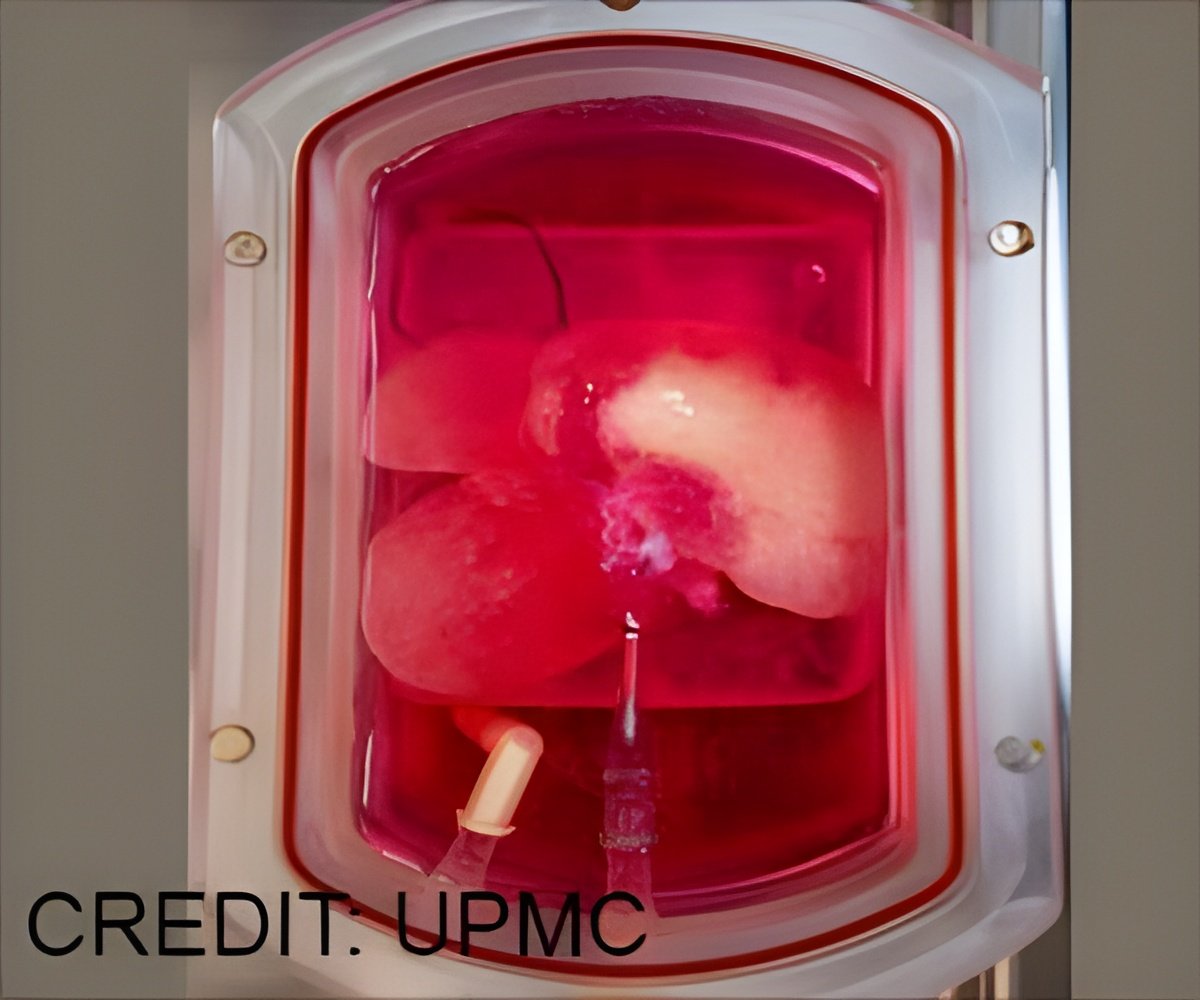
"Seeing that little human organ there inside the animal - brown, looking like a liver - that was pretty cool. This thing that looks like a liver and functions like a liver came from somebody's skin cells," said senior author Alejandro Soto-Gutierrez, M.D., Ph.D., associate professor of pathology at Pitt and faculty member of both the McGowan Institute for Regenerative Medicine and the Pittsburgh Liver Research Center. And, although liver maturation takes up to two years in a natural environment, Soto-Gutierrez and colleagues did it in under a month.
The researchers created their mini livers by reprogramming human skin cells into stem cells, coaxing those stem cells to become various types of liver cells and, then, seeding those human liver cells into a rat liver with all of its own cells stripped out.
Lab Grown �Mini-Human Brains� To Help Treat Parkinson�s Disease
Scientists grow rice grain-sized brains to aid Parkinson’s research
Scientists grow rice grain-sized brains to aid Parkinson’s research
In all cases, blood flow problems had developed within and around the graft, but the transplanted mini livers worked - the rats had human liver proteins in their blood serum.
Advertisement

Lab Grown Vocal Cord Tissue Produces Sound When Transplanted into Mice and Dogs
The bio-engineered tissue was grown over the course of two weeks, using healthy vocal fold cells from patients who had these cells removed for unrelated reasons.
The bio-engineered tissue was grown over the course of two weeks, using healthy vocal fold cells from patients who had these cells removed for unrelated reasons.
"The long-term goal is to create organs that can replace organ donation, but in the near future, I see this as a bridge to transplant," Soto-Gutierrez said. "For instance, in acute liver failure, you might just need hepatic boost for a while instead of a whole new liver."
Advertisement

Quiz on Liver
How many of us know that the liver is a vital organ the size of an American Football? To understand more about the liver and its functions spend a few minutes taking part in this quiz.
How many of us know that the liver is a vital organ the size of an American Football? To understand more about the liver and its functions spend a few minutes taking part in this quiz.
Source-Eurekalert