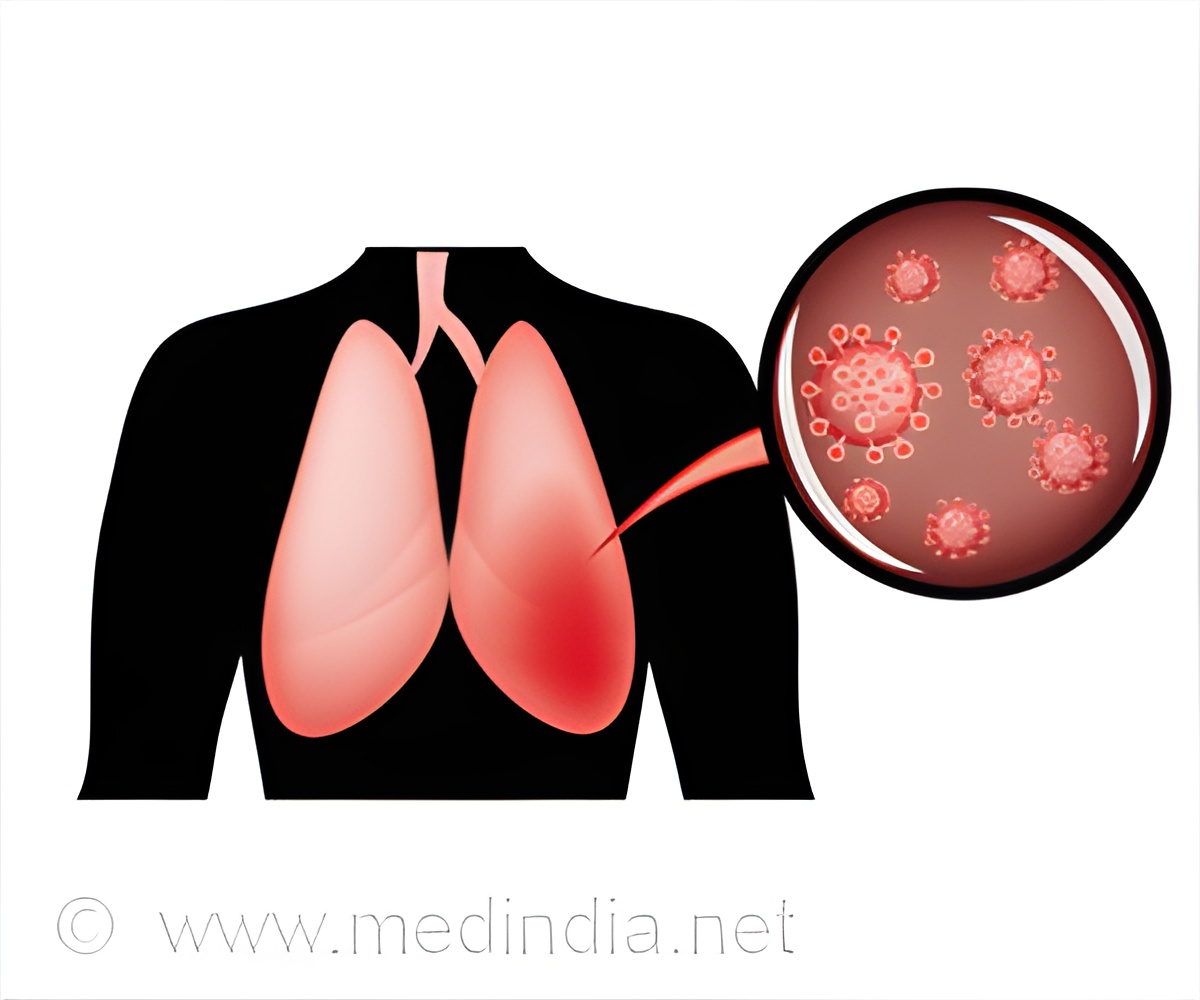

Chronic Bronchitis - Causes, Symptoms, Diagnosis, Treatment & Prevention
Chronic bronchitis is a type of chronic obstructive pulmonary disorder that causes obstruction to airflow and makes breathing difficult.
Chronic bronchitis is a type of chronic obstructive pulmonary disorder that causes obstruction to airflow and makes breathing difficult.
‘Nontuberculous mycobacterial infections in people with chronic lung diseases such as COPD and cystic fibrosis and those who are immunocompromised can be debilitating and even cause death.
’
Tweet it Now
Unlike the bacterium that causes tuberculosis, NTM is not contagious. "Our findings add to other recent studies from North America and other regions of the world that show NTM disease is increasing," said Dr. Winthrop, professor of infectious diseases and public health at the Oregon Health and Science University.
Nontuberculous mycobacteria (NTM) are found naturally in the environment, and everyone inhales them. The most common NTM is Mycobacterium avium complex, though altogether there are more than 160 different species.

Emphysema - Causes, Types, Risk Factors, Symptoms, Diagnosis, Treatment
Emphysema is a chronic obstructive pulmonary disease, marked by alveolar damage and reduced air flow to lungs leading to breathlessness and cough.
Emphysema is a chronic obstructive pulmonary disease, marked by alveolar damage and reduced air flow to lungs leading to breathlessness and cough.
The researchers reported the incidence, the number of new infections reported each year per 100,000 person-years (the number of participants × eight years) and prevalence, the total number of those living with NTM in a given year per 100,000 persons.
Advertisement
Exposure to Air Pollution Causes Your Lungs to Age Faster and Increases Lung Disease Risk
Exposure to outdoor air pollution causes faster aging of lung tissue, reduce lung function and increase the risk of developing the chronic obstructive pulmonary disease (COPD).
Exposure to outdoor air pollution causes faster aging of lung tissue, reduce lung function and increase the risk of developing the chronic obstructive pulmonary disease (COPD).
- The annual incidence of NTM lung disease increased from 3.13 to 4.73 per 100,000 person-years.
- The annual prevalence increased from 6.78 to 11.70 per 100,000 persons.
- For women, the annual incidence increased from 4.16 to 6.69 per 100,000 person-years, while the prevalence increased from 9.63 to 16.78 per 100,000 persons.
- For those aged 65 and older, the annual incidence increased from 12.70 to 18.37 per 100,000 person-years, while the annual prevalence increased from 30.27 to 47.48 per 100,000 persons.
- The incidence of NTM increased by at least 10 percent in 29 states.
- The prevalence of NTM increased by at least 10 percent in 39 states.
Advertisement
CRISPR Gene Editing can Treat Deadly Lung Diseases Before Birth
CRISPR gene editing tool can now help treat deadly lung diseases before birth. Scientists have used CRISPR to edit out a harmful mutation in surfactant genes which cause monogenic lung diseases.
CRISPR gene editing tool can now help treat deadly lung diseases before birth. Scientists have used CRISPR to edit out a harmful mutation in surfactant genes which cause monogenic lung diseases.
Increasing environmental exposure is also likely a factor, as is greater awareness of NTM disease among physicians."
He added that the high rates of NTM among women might be explained by the fact that they live longer and may be more likely to seek medical care. There may also be as yet unidentified biologic and genetic factors that contribute to greater incidence and prevalence among women. Study limitations include inaccuracies in diagnostic coding and the unequal distribution of participants in the health plan across the country.
Source-Eurekalert