
Cannabis Use Affects Sperm Size and Shape in Young Men
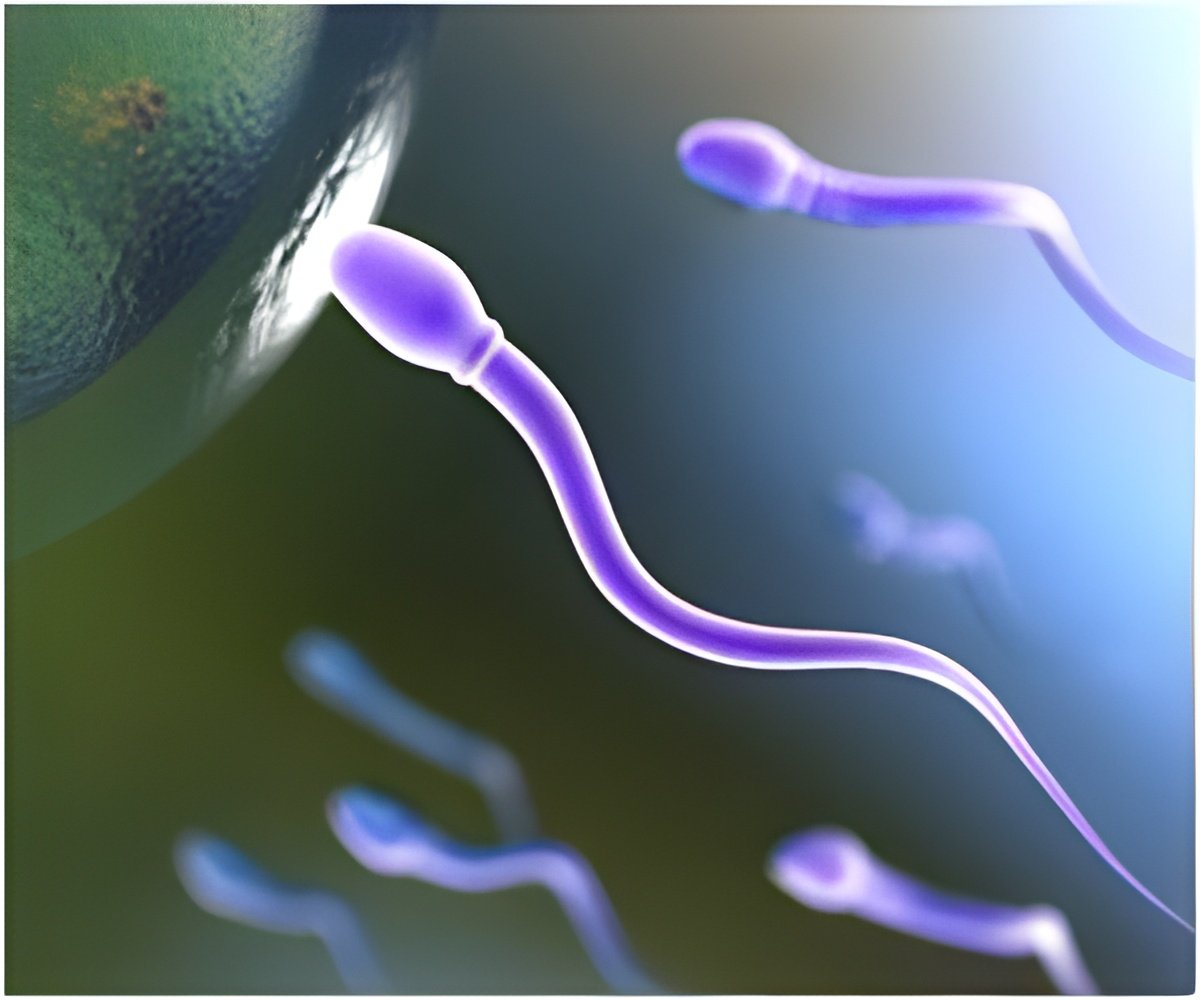
Young men who use cannabis may be putting their fertility at risk by inadvertently affecting the size and shape of their sperm according to research published on 5 June 2014.
Young men who use cannabis may be putting their fertility at risk by inadvertently affecting the size and shape of their sperm according to research published on 5 June 2014.
‘A sperm tail's mechanism first starts by creating a sliding motion between the filaments inside the cylindrically arranged structure, which results in the bending of the tail.’
Tweet it Now
New research at the University of York, however, has shown through a mathematical model that this system is not only needed to maintain the structure of the tail, but it is also vital to how it transmits information to very distant parts of the tail, allowing it to bend and move in its own unique way. Researcher Hermes Gadelha said that sperm flagella with this sort of internal structure can be seen in almost all forms of life. Interestingly, although the sperm tail has an internal structure that is conserved across most species, animal and human, they all create slightly different movements in order to reach an egg. This suggests that the tail's structure is not the whole story to how they make their distinct tail-bending motion, noted Gadelha.
To understand the structure of the tail, scientists examined how different parts of the tail bent by moving the tail of a dead sperm. Surprisingly a movement that started near the head of the sperm, resulted in an opposite-direction bend at the tip of the tail, called the 'counterbend phenomenon,' suggesting that mechanical information is transmitted along the interconnected elastic bands in order to create movement along the full length of the tail.
Couples Favor Same Sperm or Egg Donor for All Their Conceptions
While sperm donation imply the genetic detachment of the child from one of its parents, couples seem determined to ensure genetic bonds between their children.
While sperm donation imply the genetic detachment of the child from one of its parents, couples seem determined to ensure genetic bonds between their children.
Dr Gadelha said: "The mechanism of a sperm tail first creates a sliding motion between filaments, inside this cylindrically arranged structure, finally resulting in a tail bending, a bit like the piston that converts back and forth motion in to rotation of the wheel on a train. Any one movement in this complex sequence appears to be able to trigger motion right through to the distant parts of the tail."
How Sperm Gets into the Zona Pellucida
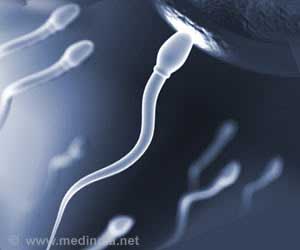
The sperm has to bind and bore through an outer layer called the zona pellucida before it can fertilize an egg
The sperm has to bind and bore through an outer layer called the zona pellucida before it can fertilize an egg
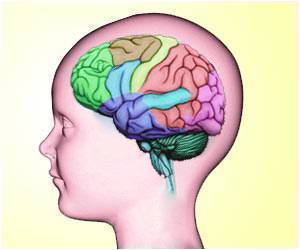
Structure and Protein Elements Critical to Human Function and Disease Revealed
Relationship between certain proteins and juvenile myoclonic epilepsy is seen in new structures discovered within cilia.
Relationship between certain proteins and juvenile myoclonic epilepsy is seen in new structures discovered within cilia.